The Kingdom’s Data Fortress: Advanced Security for Data Centers
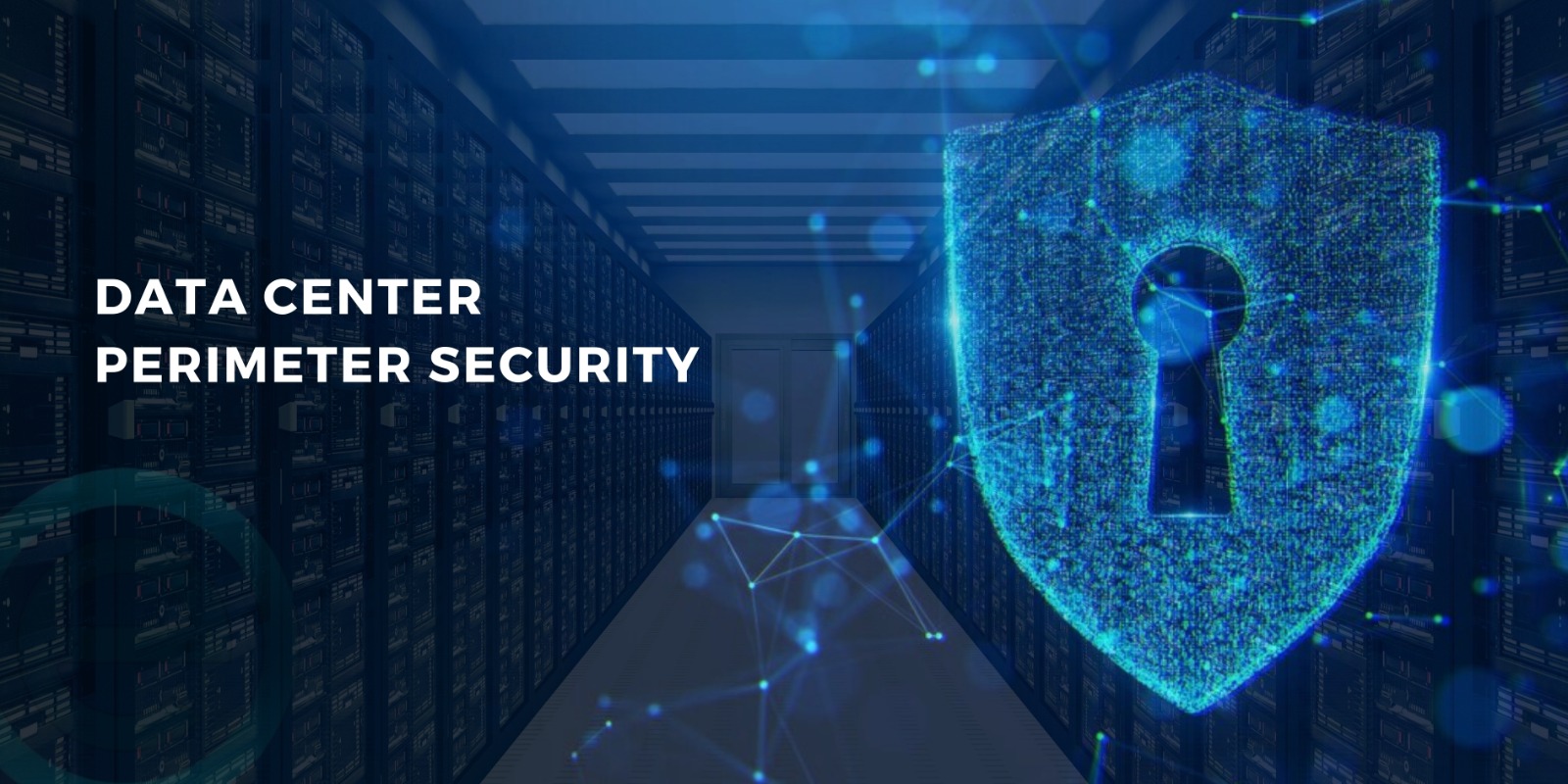
While Saudi Arabia accelerates toward a digital future with Vision 2030, data centers have emerged as the center of the digital economy. Hosting sensitive government, financial health, business, and other information, these vital infrastructures need absolute security on every level. In the current era of cyber and data sovereignty threat, ensuring Physical Security for Data Centers is not a luxury–it’s a necessity.
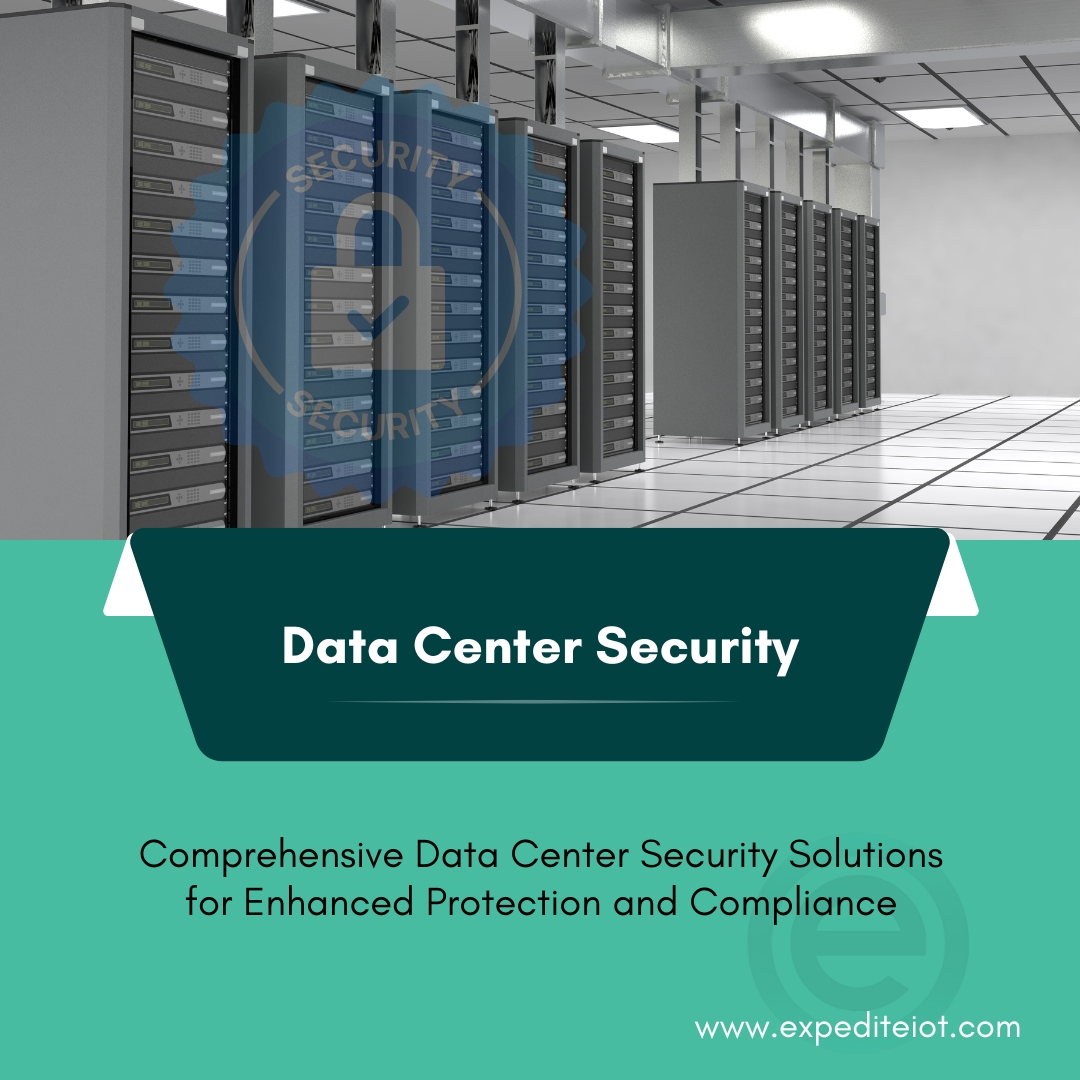
The Kingdom invests massively into Data Center Access Control, Data Center Intrusion Detection, Data Center Surveillance, and Multi-factor Authentication for Data Centers in order to safeguard the most important digital assets from access by unauthorized persons as well as sabotage and breach.
- Why Data Center Security is Critical in Saudi Arabia
A country that aims to be a leader in the field of cloud computing, fintech smart cities, electronic governance, data centers serve more than storage rooms for servers. They’re valuable assets of the nation. As the growth rate in IoT equipment, AI applications, and cloud storage demands as well as the evolving threat landscape, it is changing as well.
Physical threats such as vandalism, theft and sabotage are as threatening as cyberattacks. Thus, physical and digital security precautions should be in sync to safeguard the kingdom’s digital infrastructure.
- Core Pillar: Data Center Access Control
Data Center Access Control guarantees only authorized employees are allowed to physically enter the sensitive areas of the data center. This encapsulates:
- Smart card access systems
- Biometric authentication (fingerprint, facial, iris)
- Time-based access schedules
- Role-based authorizations
The case of Saudi Arabia, where data regulation and compliance is becoming increasingly stringent, utilizing an auditable and layered access control systems isn’t only about security, it’s about accountability and trust.
- Next-Level Detection: Data Center Intrusion Detection
As access control is used to manage the entry process, Data Center Intrusion Detection systems continuously watch for unauthorized or suspicious activity in or around the premises.
This includes:
- Motion sensors and vibration detectors
- Pressure mats under floors
- Glass break sensors
- Door-forced-open alarms
In conjunction with an integrated security platform intrusion detection can be an active defense system that informs the user immediately and initiates automatic responses.
- The Role of Physical Security for Data Centers
Physical security for Data Centers includes each aspect of physical security including perimeter fencing, to the internal cages of servers. Important components include:
- Fencing, bollards and barrier all around the property
- Security personnel with patrol schedules
- Mantraps and Security vestibules to prevent tailgating
- Environmental sensors for fire, temperature and water leaks
In Saudi Arabia’s rural and data center sites in the city similarly, physical security has been adjusted to the local environment and risk-profiles.
- Data Center Surveillance: Always Watching
The latest Data Center surveillance combines the power of CCTV, thermal imaging, and AI-powered video analytics for 24/7 monitoring in the most critical locations.
Strategic locations include:
- Entry and exit points
- Server racks and hardware zones
- Utility rooms and HVAC areas
- Backup generators and fuel storage areas
Advanced systems include features such as motion tracking, facial recognition, and license plate recognition for vehicles entering the complex.
In numerous Saudi establishments, surveillance feeds are linked to command centers that provide central monitoring as well as incident response.
- Multi-factor Authentication for Data Centers: Maximum Protection
Multi-factor authentication for Data Centers ensures that no matter what level of security is breached the other security layers will be protected.
The most common MFA methods are:
- Card, PIN and biometric
- Mobile OTPs with geofencing validation
- RFID-enabled wearables
- QR codes scanning and ID verification
MFA is vital to protect crucial access zones such as those in the server room, NOC (Network Operations Center), and disaster recovery units.
- Designing a Security-First Data Center in KSA
When designing a data center within Saudi Arabia, security must be a part of the initial design–not an afterthought. This includes
- Site selection based on the risk assessment
- Zoning Layouts that isolates sensitive zones
- Redundancy in power and surveillance system
- Integration of access control and monitor platforms
The result is a zero-trust physical environment where every movement is monitored, verified, and logged.
- Regulatory Compliance and Audits
Saudi data centers have to conform to international and national standards like:
- SAMA rules (for banks)
- NCA conformance (National Cybersecurity Authority)
- ISO/IEC 27001 for management of information security
- Tier certification issued by Uptime Institute
Data Center Access Control and surveillance logs offer audit evidence in digital format and proves that security rules are consistently enforced.
- Integrating AI and IoT for Predictive Security
The most current advancements technology in Data Center Intrusion Detection as well as surveillance originates from AI as well as IoT connectivity. This permits:
- Real-time threat analysis using machine learning
- Anomaly detection based on movement patterns
- Automated alarms and lockdowns
- Predictive maintenance for security hardware
The smart infrastructure enables security personnel to take action before the threat escalates, which ensures the continuity and resilience.
- The Future of Physical Security for Data Centers in KSA
Saudi Arabia’s plans to build hyper-scale data centers and regional cloud hubs demand next-gen physical security protocols. Future developments will involve:
- Drone-based surveillance
- Blockchain-verified visitor access logs
- Digital twins of physical spaces for simulation
- Zero-contact biometric access systems
- Quantum-resistant encryption for authentication
The security of the future is going to be unbreakable yet invisible. Saudi Arabia is positioning itself on the international scene.
Conclusion
In the process of ensuring that as the Kingdom of Saudi Arabia builds a robust digital economy, securing data centers is of primary importance. Through advanced Data Center Access Control, smart Data Center Intrusion Detection, high-resolution Data Center Surveillance, or resilient Multi-factor Authentication for Data Centers, the country is building its digital fortresses using precision and understanding.
Physical Security for Data Centers is not just about securing doors. It’s now about creating intelligent, connected ecosystems to protect individuals, data, and the progress of our nation. With the rise of data power, the Kingdom’s dedication to physical security has become an unspoken, constant protector.
FAQs
- What exactly is Data Center Access Control and the importance of it?
The term refers to the devices that control who is able to physically access and leave various areas of the data center. It is essential to prevent the unauthorized entry of people and to protect vital infrastructure. - What exactly is the Data Center Intrusion Detection perform?
The system uses alarms, sensors as well as monitoring devices to monitor unauthorized entry attempts and suspicious activities in or around a data center. - What technology is employed for Data Center Surveillance?
Surveillance covers CCTV Thermal cameras, surveillance cameras as well as facial recognition and AI analytics that provide 24 hours a day surveillance of any sensitive area. - What is the reason why Multi-factor authentication is essential for the data center?
It also provides several layers of verification of identity to limit the possibility of unauthorized access. This makes it virtually impossible for criminals to get past security. - Do Saudi data centers in compliance with international security standards?
Many facilities in KSA adhere to standards such as ISO/IEC 27001, SAMA, and NCA guidelines for ensuring both physical as well as digital security.
For more information, please contact us at:
Expedite IT
📧 Email: [email protected]
📞 Phone: +966 502104086
🏢 Office Address:
Office No. 01, Conference Building (Kirnaf Finance),
Abi Tahir Al Dhahabi Street,
Al Mutamarat, Riyadh 12711,
Saudi Arabia
🌍 Location: Riyadh, Saudi Arabia
👉 Click the link below for more information:
https://www.expediteiot.com/data-center-perimeter-security-in-saudi-arabia/

