
Fuel Tank Monitoring Solutions
Diesel keeps a large part of the Gulf running: backup generators in hospitals and data centers, power on construction sites and remote facilities, telecom towers, farms, fleets and plant. Fuel is expensive, it is easy to steal and running out at the wrong moment can stop operations. Manual dip readings are slow and unreliable, and nobody wants to climb onto a tank in the summer heat. Our fuel tank monitoring solutions measure fuel levels remotely and continuously, alert you to drops, leaks and low levels, and help you plan deliveries. Expedite IoT supports customers across Saudi Arabia, Qatar and Oman.
How it works
- A level sensor is installed in or on the tank. Options include submersible pressure sensors, ultrasonic sensors and radar sensors, chosen to suit the tank and fuel.
- A transmitter sends readings over cellular or other wireless networks at regular intervals.
- The platform converts levels into volumes using the tank’s shape and size.
- Alerts are sent when levels fall below a set point, drop suddenly or rise unexpectedly.
- Reports show consumption, deliveries and trends for each tank and site.
What you can monitor
- Diesel generator day tanks and bulk tanks
- Fuel storage at construction sites, camps and farms
- Depot and station tanks
- Vehicle and equipment fuel tanks. See fleet management.
- Oil, water and chemical tanks
Key features
Real-time levels
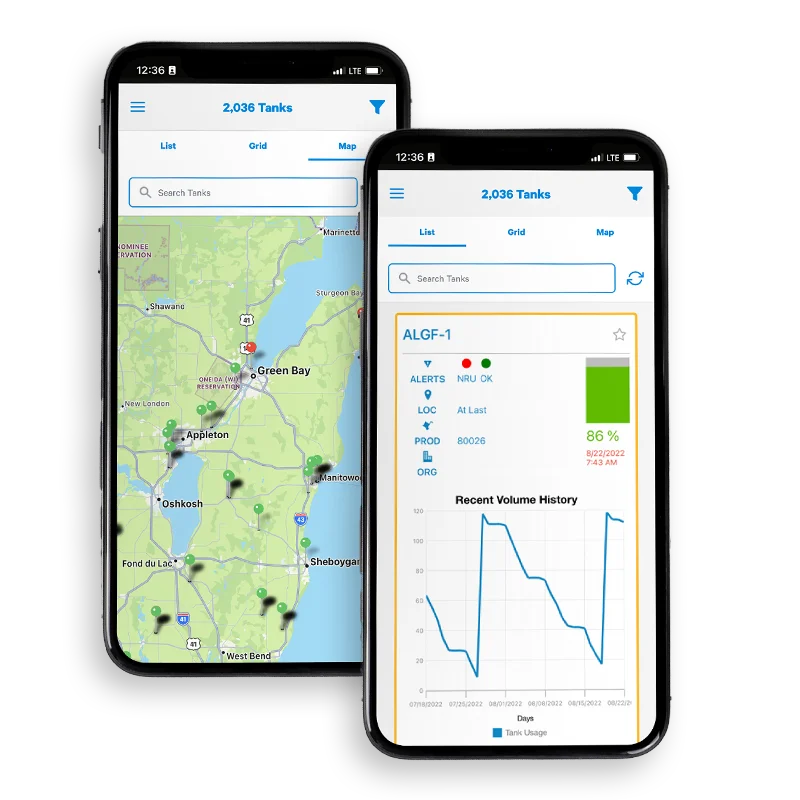
Current volume and percentage for every tank on one dashboard and in a mobile app.
Theft detection
Sudden drops outside normal consumption patterns trigger an immediate alert, with the time and amount.
Delivery verification
Each delivery is recorded, so you can compare the volume received with the volume invoiced.
Leak alerts
Slow, unexplained losses are flagged, protecting the environment and avoiding clean-up costs.
Low level alarms and delivery planning
Alerts before tanks run low, and forecasts that help suppliers plan deliveries efficiently.
Generator readiness
For critical sites, the system confirms that backup generators always have enough fuel for the required running time.
Benefits
- Cost savings: less theft, fewer emergency deliveries and accurate billing
- Better decisions: real consumption data for budgeting and planning
- Stronger security: alerts and evidence when fuel is stolen
- Less manual work: no more dip readings and spreadsheets
- Compliance and environment: early leak detection and accurate records
- Reliability: generators and equipment that do not run dry
Who uses it
- Hospitals, data centers and telecom operators with critical backup power
- Construction and contracting companies with tanks across many sites
- Fuel distributors managing customer tanks
- Agriculture with generators and pumps on remote farms
- Facility managers of malls, towers and compounds
Example scenario: a contractor with many sites
Picture a contractor in the Eastern Province running generators on 20 sites. Fuel costs are high, and the finance team suspects theft but has no evidence. After sensors are installed, the dashboard shows each tank’s level. Within weeks, alerts reveal night-time drops at two sites, matched to delivery vehicles on camera. Deliveries are also checked against invoices, and one supplier is found to be short-delivering. Fuel spending falls, and the site teams stop making dip readings in the heat.
Example scenario: a hospital backup generator
A hospital in Muscat must always keep enough diesel for its backup generators. Remote monitoring confirms tank levels every hour and alerts facilities staff and the fuel supplier when levels fall below the agreed minimum. Inspection reports show the generator was always ready.
Installation and support
Most sensors are installed without emptying the tank, and battery-powered transmitters suit locations without power. Hazardous area rated equipment is used where required. We provide installation, configuration, training and ongoing support.
Choosing the right sensor
Different tanks need different sensors. Submersible pressure sensors are accurate and simple for many diesel tanks. Ultrasonic sensors mount on top of the tank without touching the fuel, which suits some installations. Radar sensors work well in larger tanks and harsh conditions. For underground tanks and fuel stations, probe-based systems measure fuel and water levels together. During the site survey, we check the tank type, access, fuel and environment to recommend the right option.
Integration with fleet and maintenance
Tank data becomes more powerful when combined with fleet and equipment data. Comparing fuel dispensed from site tanks with fuel used by each vehicle or generator shows where fuel goes and highlights misuse. Consumption trends can also signal equipment problems, such as a generator using more fuel than usual because it needs servicing.
Reporting for finance and management
Monthly reports show fuel received, consumed and lost for each site, with alerts and incidents listed. Finance teams use them to reconcile supplier invoices, and managers use them to compare sites and set targets.
Working with fuel suppliers
Suppliers can be given limited access to tank levels for their customers, so they plan deliveries before tanks run low. This reduces emergency deliveries and helps both sides agree on volumes delivered.
Safety in hazardous areas
Fuel storage areas can be classified as hazardous. Sensors and transmitters used there must carry suitable certification, and installation follows site safety procedures.
Features of Expedite IoT’s Fuel Tank Monitoring Solutions
Remote Monitoring and Alerts:
Our solutions enable remote monitoring of fuel tanks, allowing businesses to access real-time data on fuel levels, consumption rates, and other critical parameters from anywhere, at any time. Automated alerts notify users of low fuel levels, abnormal consumption patterns, or potential issues such as leaks or theft, enabling proactive intervention to prevent disruptions and minimize risks.
Environmental Monitoring and Compliance:
In addition to monitoring fuel levels, our solutions also track environmental parameters such as temperature, humidity, and fuel quality. This ensures compliance with regulatory standards and helps businesses mitigate environmental risks, such as fuel spills or contamination, minimizing the potential for fines, lawsuits, and reputational damage.
Integration with Business Systems:
Expedite IoT’s fuel tank monitoring solutions seamlessly integrate with existing business systems, including ERP (Enterprise Resource Planning) software, fleet management systems, and accounting software. This enables automated data exchange, streamlines workflows, and provides a holistic view of fuel-related activities, enhancing overall operational efficiency and decision-making.
Predictive Analytics and Optimization:
By harnessing the power of data analytics and machine learning algorithms, our solutions provide valuable insights into fuel usage patterns, trends, and forecasted demand. This enables businesses to optimize fuel procurement, scheduling, and usage, thereby reducing waste, minimizing costs, and improving operational efficiency.

Our Services
Monitoring Solutions
Risk Mitigation
Real-time monitoring of fuel tanks and environmental parameters helps businesses detect and address issues such as leaks, theft, or contamination promptly, minimizing financial and environmental risks.
Cost Savings
By providing real-time visibility and control over fuel inventory, our solutions help businesses minimize overstocking, stockouts, and fuel wastage, resulting in significant cost savings.
Operational Efficiency
Automated alerts and predictive analytics enable proactive intervention, reducing downtime, optimizing fuel usage, and improving overall operational efficiency.
Compliance
Our solutions ensure compliance with regulatory standards and environmental regulations, reducing the risk of fines, penalties, and reputational damage.
Benefits of Expedite IoT’s Fuel Tank Monitoring Solutions
Cost Savings
Data-Driven Decision Making
Enhanced Security
Predictive Maintenance
Improved Fuel Efficiency
Theft Detection
Compliance
Increased Accuracy
Optimized Inventory Management
Increased Productivity
Reduced Environmental Impact
Extended Equipment Life
Frequently asked questions
How accurate is remote fuel monitoring?
Accuracy depends on the sensor type and tank, but modern sensors give reliable readings suitable for theft detection and delivery checks.
Can it detect fuel theft?
Yes. Sudden drops outside normal consumption trigger alerts showing the time and amount.
Do sensors need mains power?
No. Many transmitters run on batteries for long periods and send data over cellular networks.
Can we monitor tanks in different countries?
Yes. Tanks in Saudi Arabia, Qatar and Oman can be viewed on one dashboard.
Can sensors be installed in underground tanks?
Yes. Probe-based systems are commonly used for underground tanks and can also detect water in fuel.