Expedite IoT
GPS Fleet Management for Saudi Arabia, Qatar and Oman
Streamline your fleet operations with our intuitive platform, tracking vehicles, drivers, and routes in real-time for optimized efficiency and productivity.
Vehicles are among the biggest costs and biggest risks for many businesses in the Gulf. Fuel, maintenance, accidents, idle time, unauthorised trips and long distances between cities all add up. A fleet management system gives managers a live view of every vehicle and driver and the data to reduce costs and improve safety. Expedite IoT supplies and supports GPS fleet management for delivery vans, trucks, service vehicles, buses and heavy equipment across Saudi Arabia, Qatar and Oman, as part of our wider IoT solutions.
What the system does
Live tracking
See every vehicle on a map in real time, with speed, direction, ignition status and the driver assigned.
Trip history
Replay any trip to check routes, stops, times and distances, useful for resolving customer disputes and checking timesheets.
Driver behaviour
Harsh braking, rapid acceleration, sharp cornering, speeding and excessive idling are recorded and scored, so managers can coach drivers and reward safe driving.
Fuel monitoring
Fuel level sensors and fuel card data show consumption, refuelling and sudden drops that may indicate theft. See also fuel tank monitoring.
Maintenance planning
Service reminders based on distance, engine hours or dates, so vehicles are serviced on time and breakdowns are reduced.
Geofences
Virtual boundaries around sites, customer locations or restricted areas, with alerts when vehicles enter or leave.
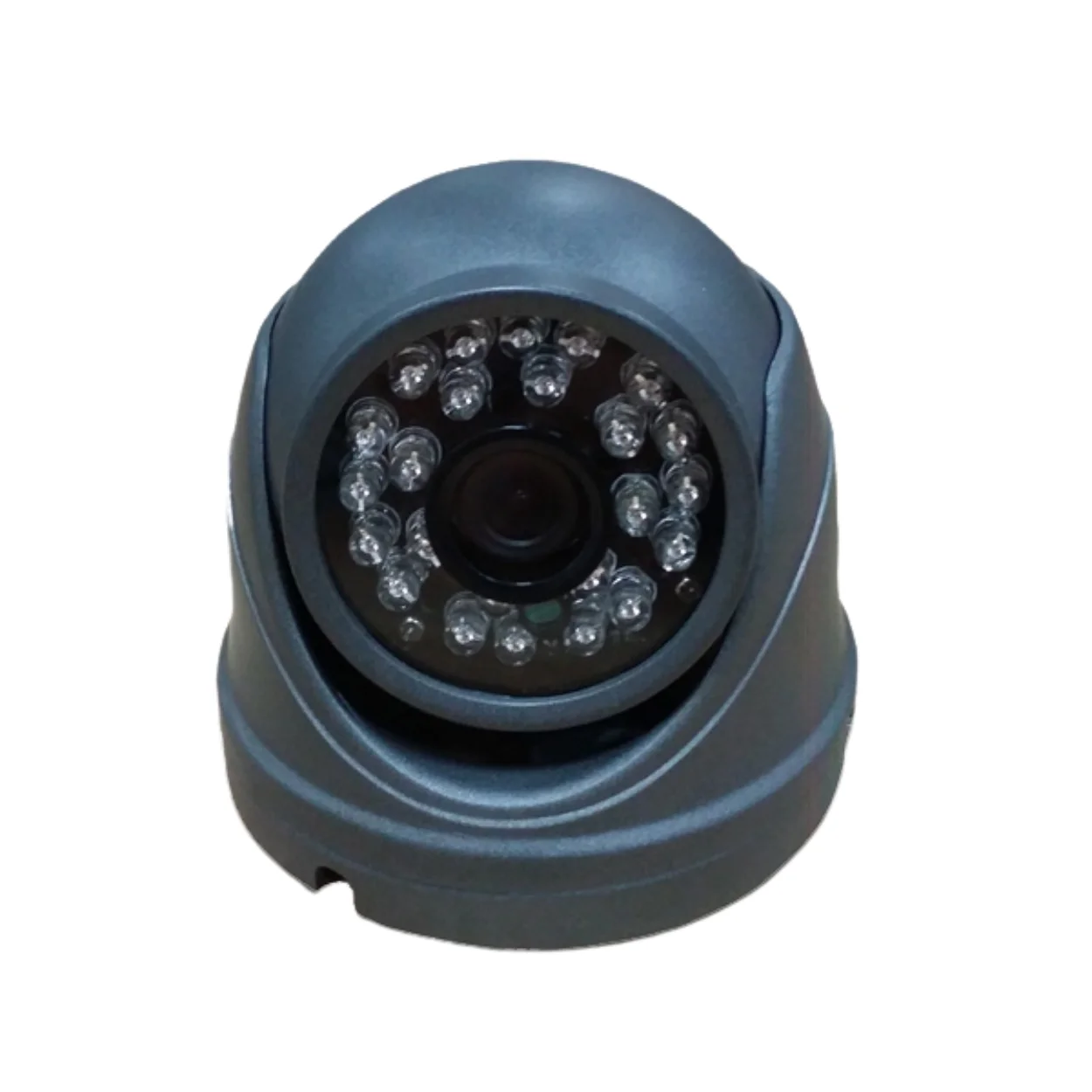
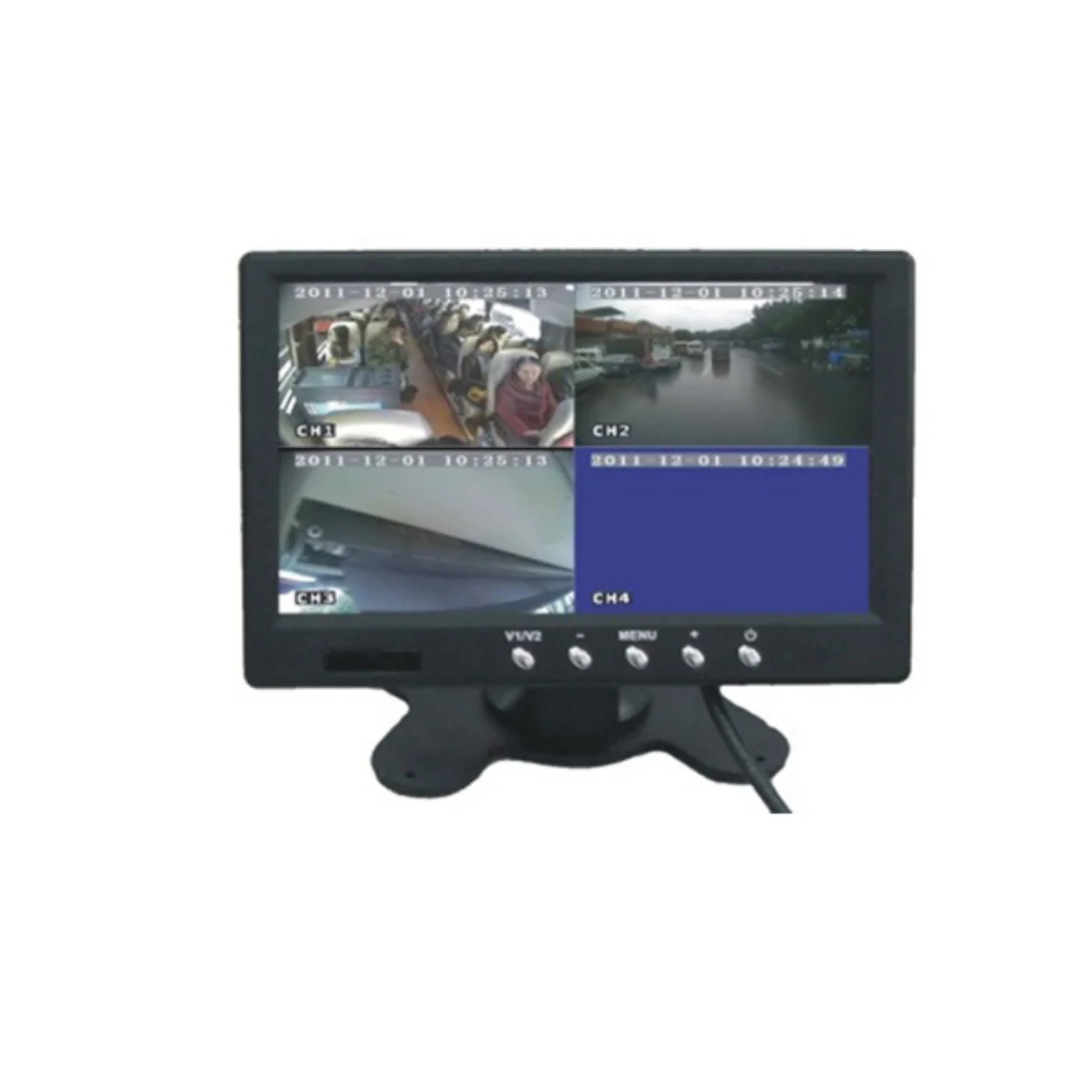
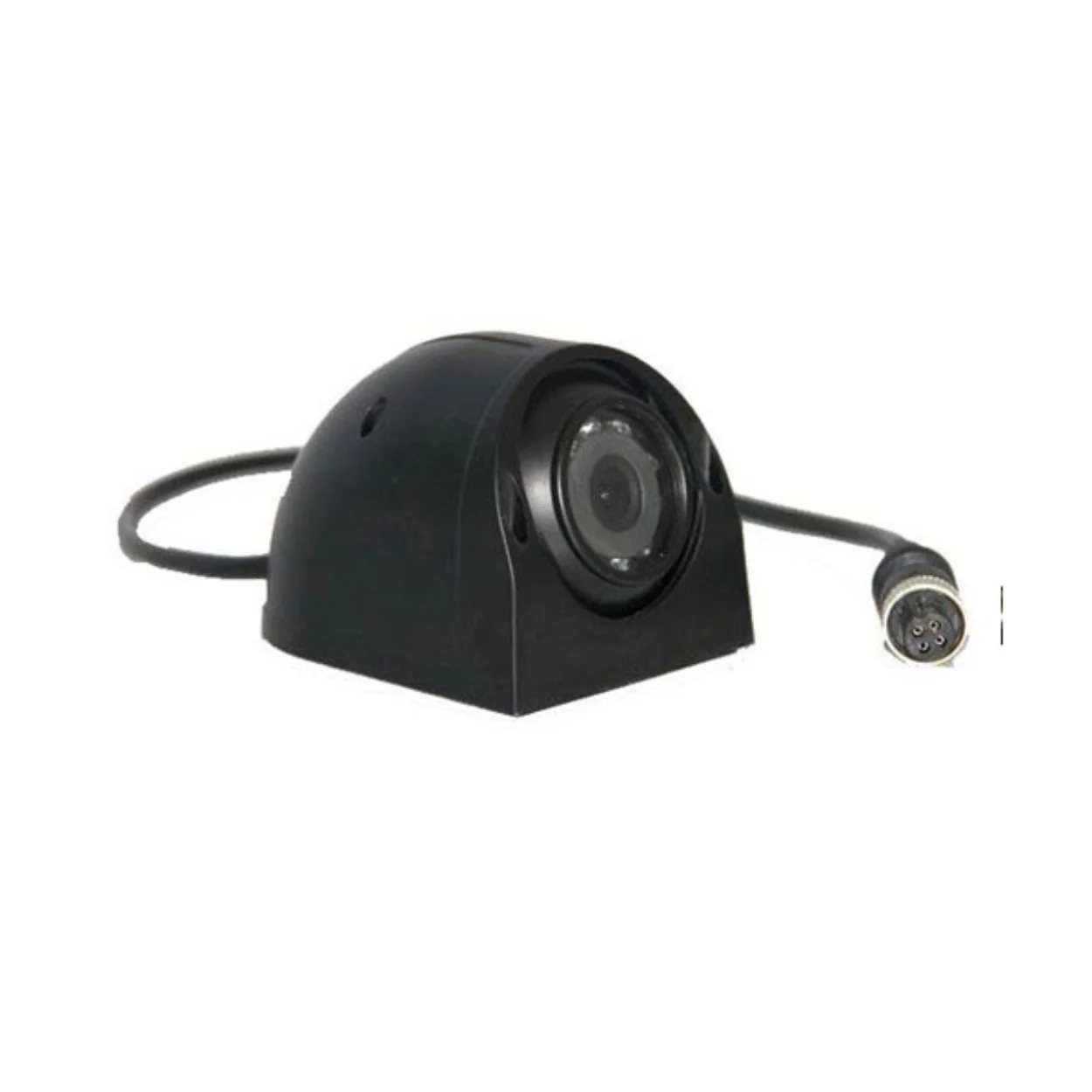
Video telematics
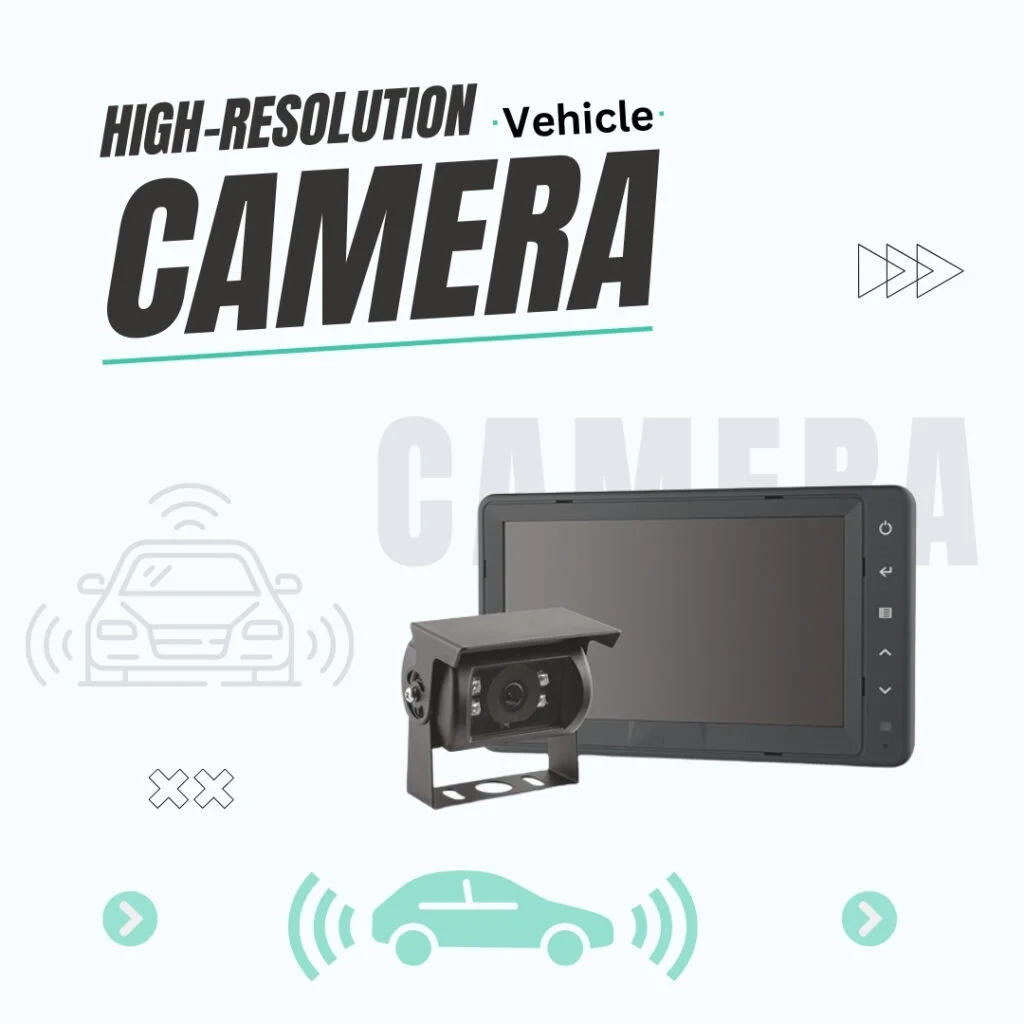
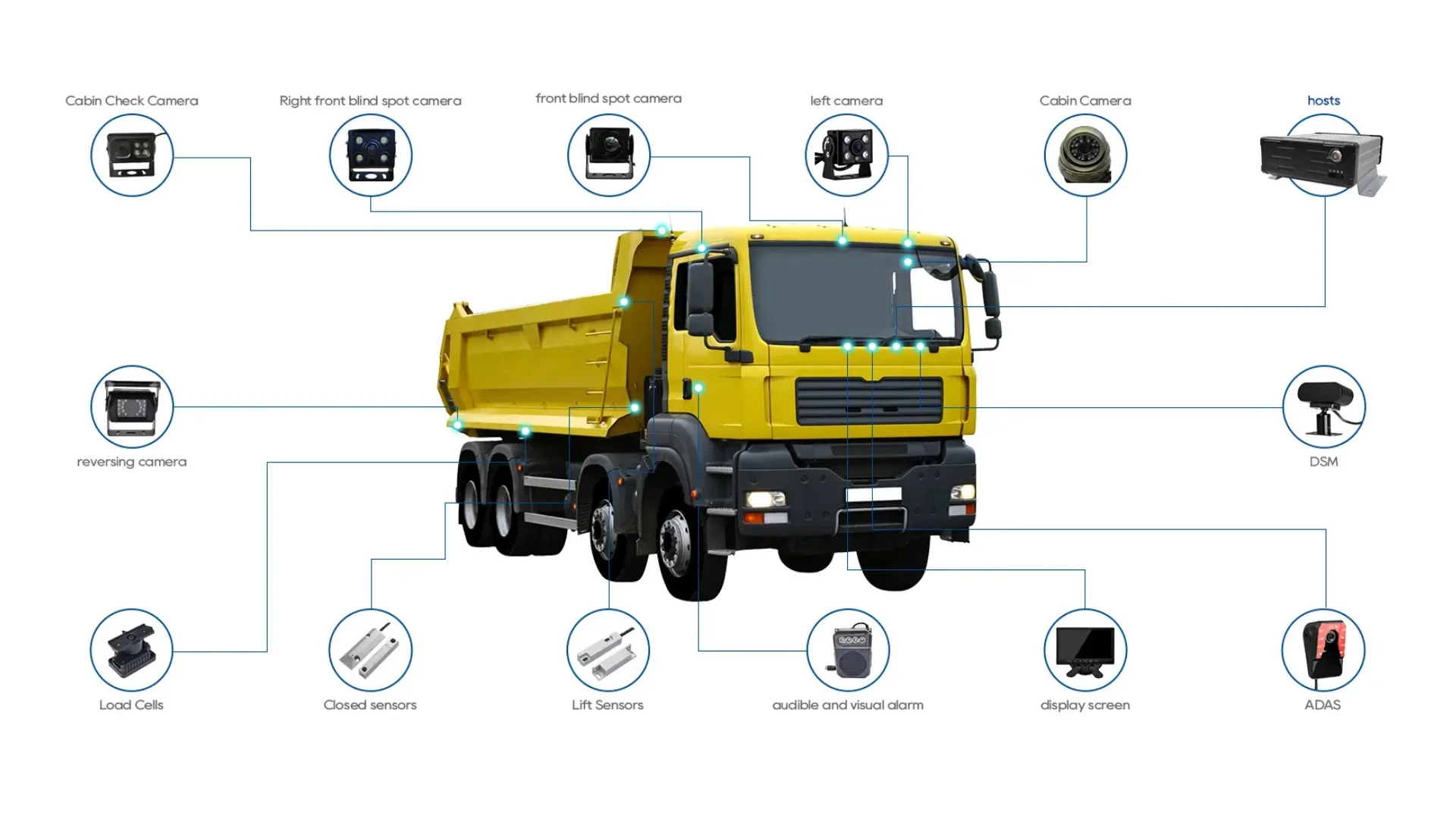
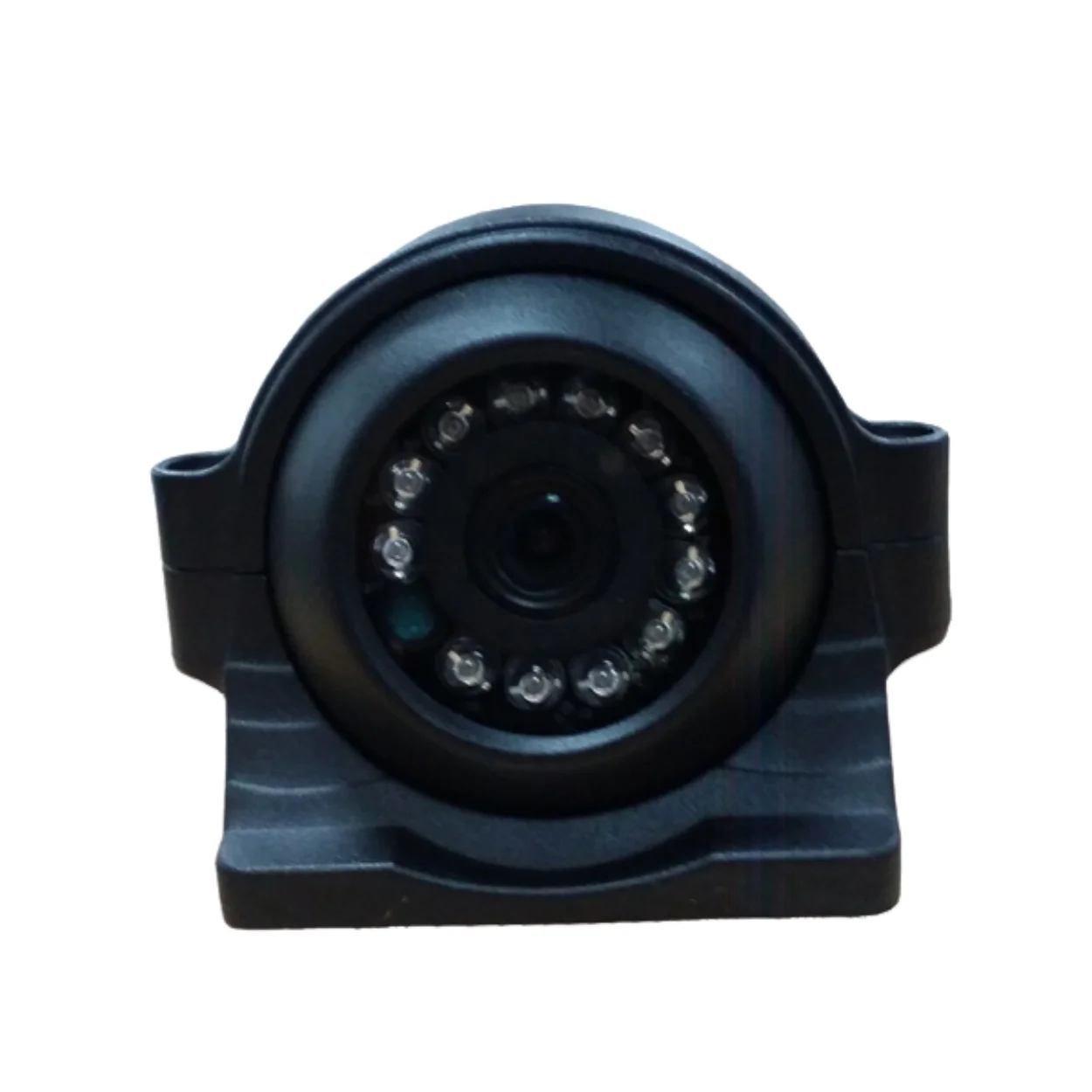
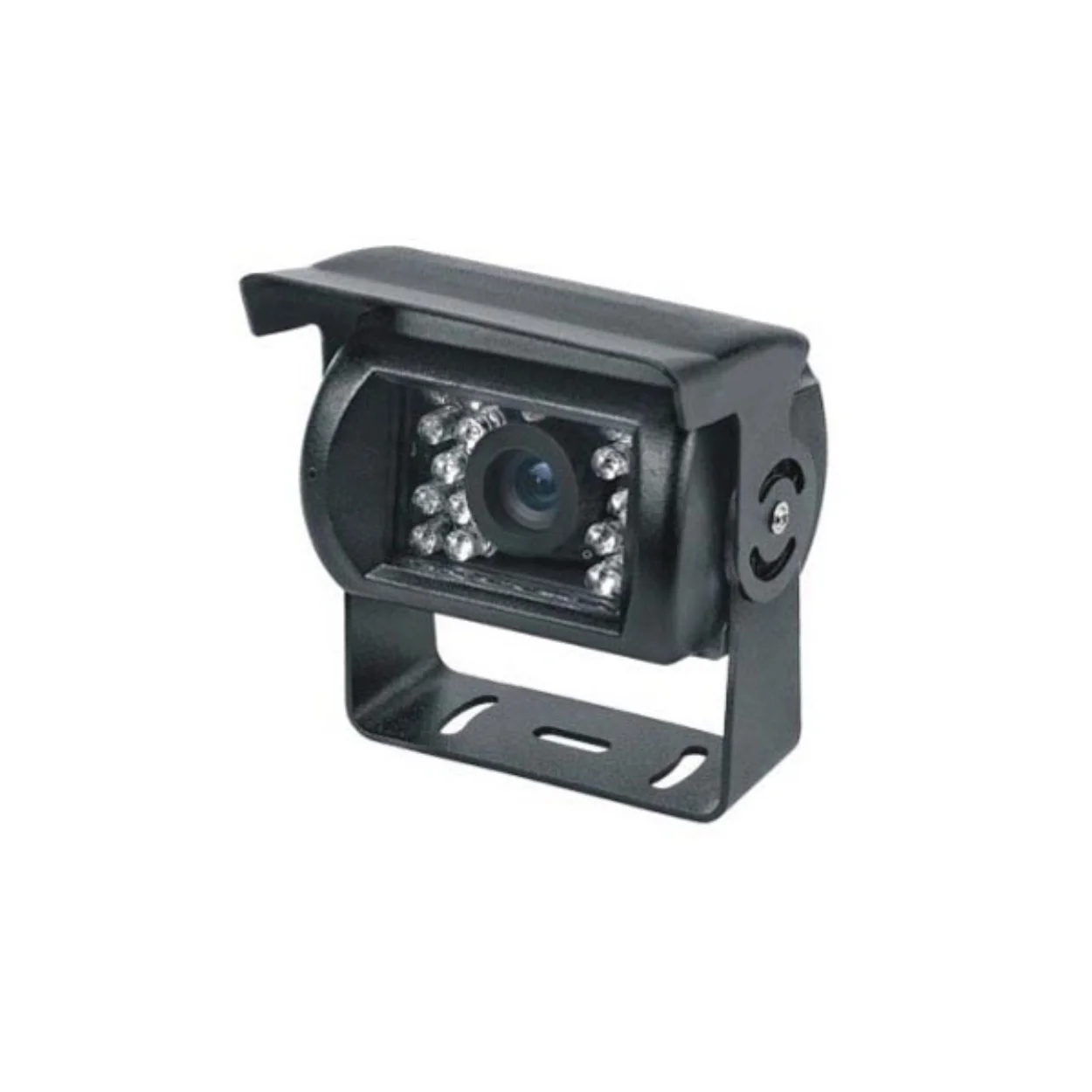
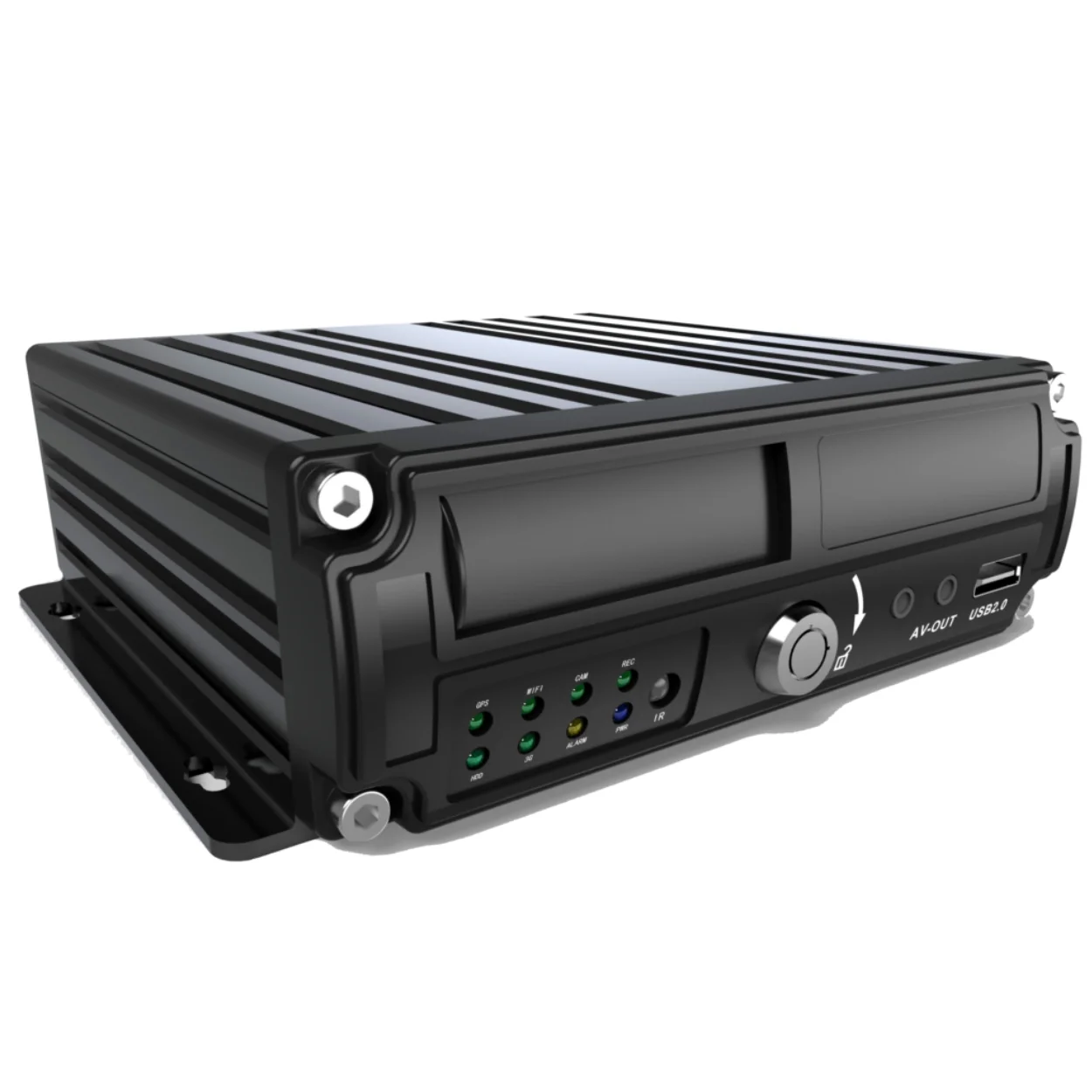
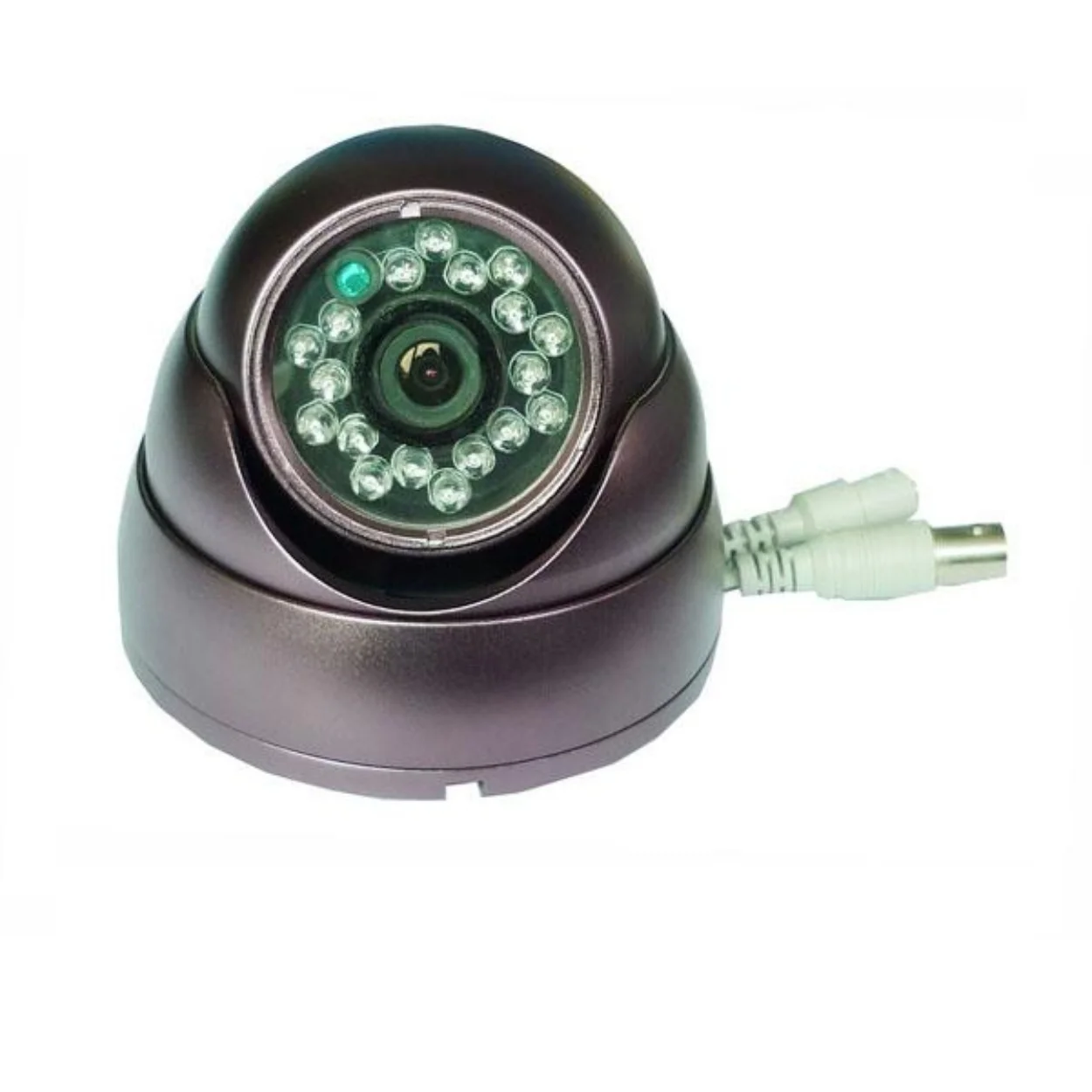
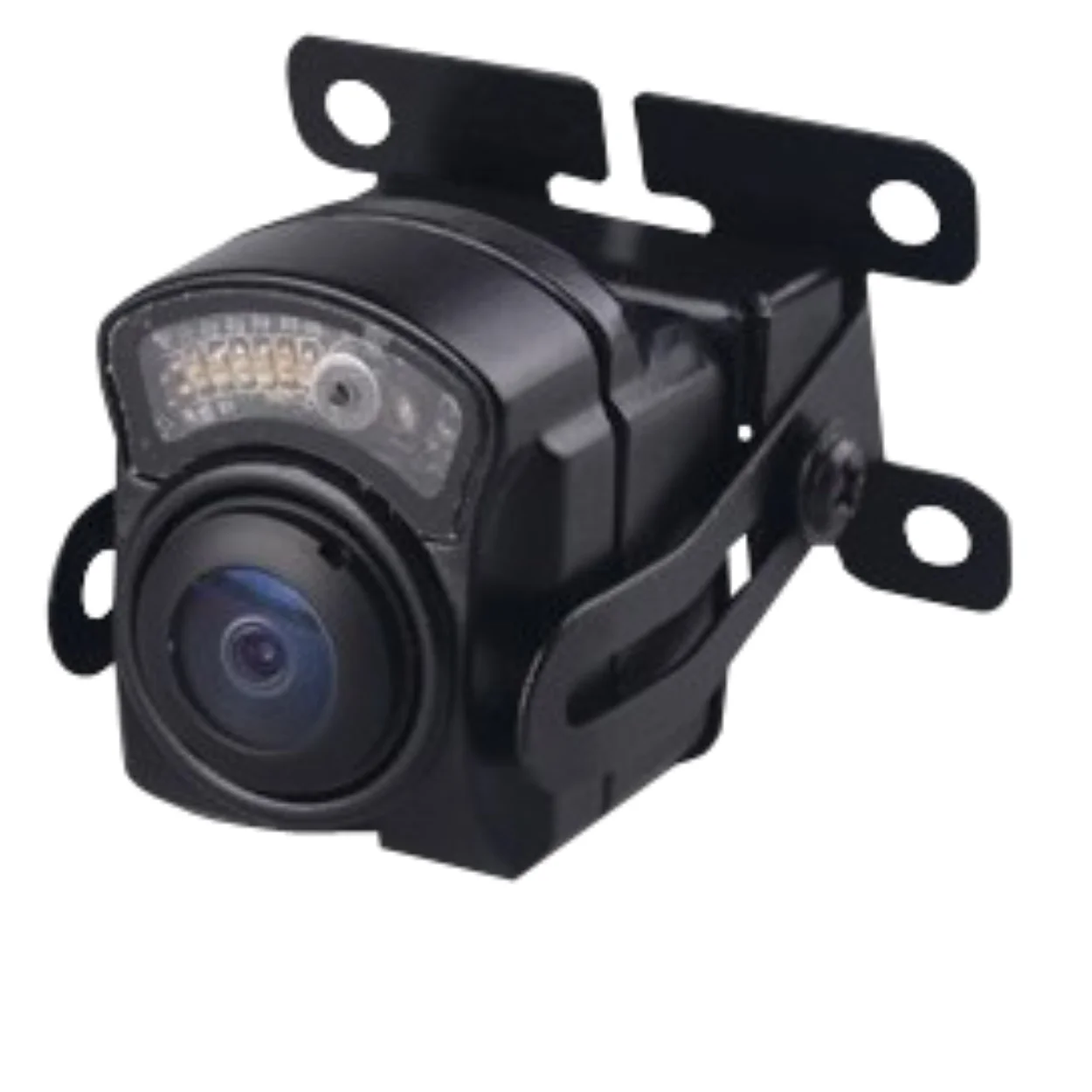
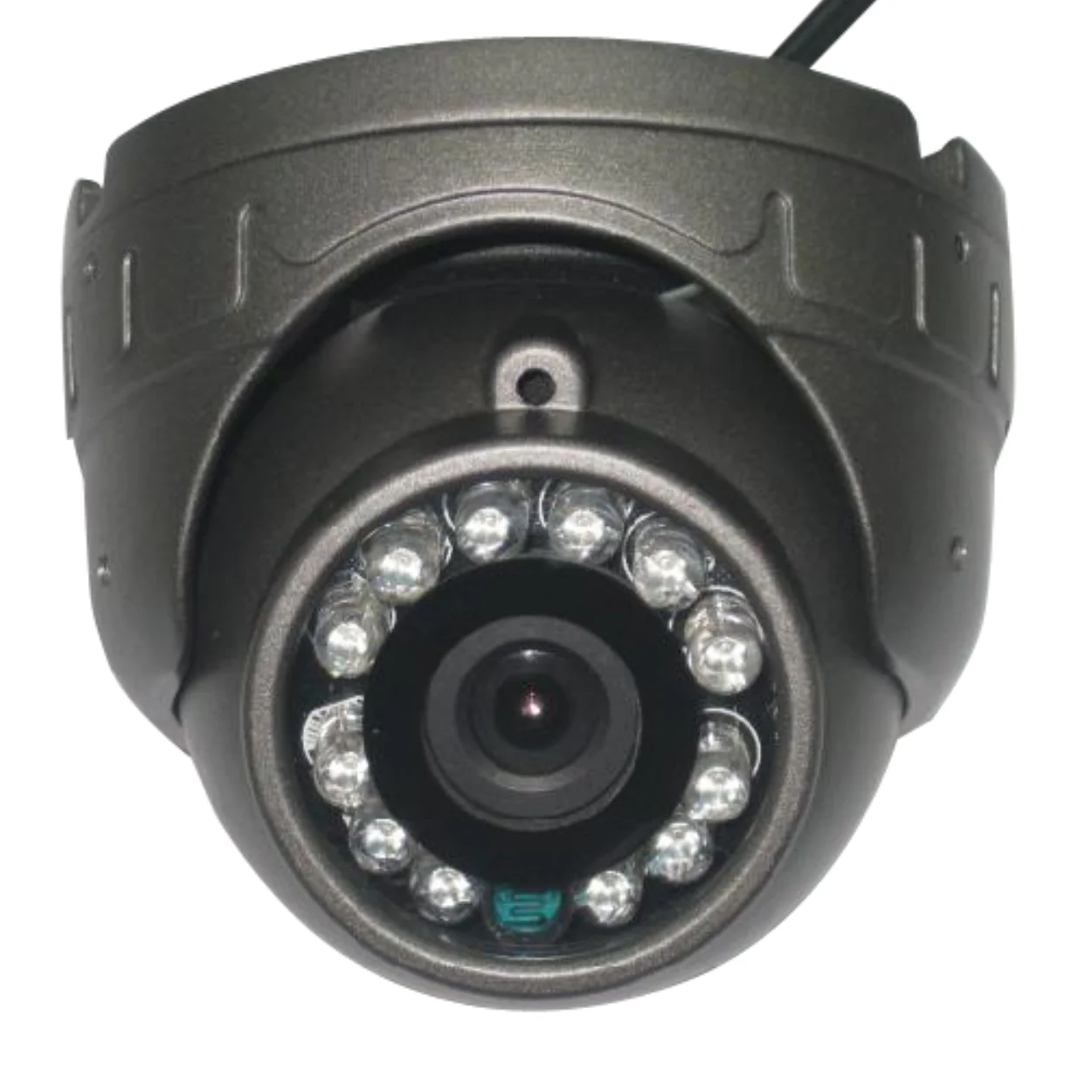
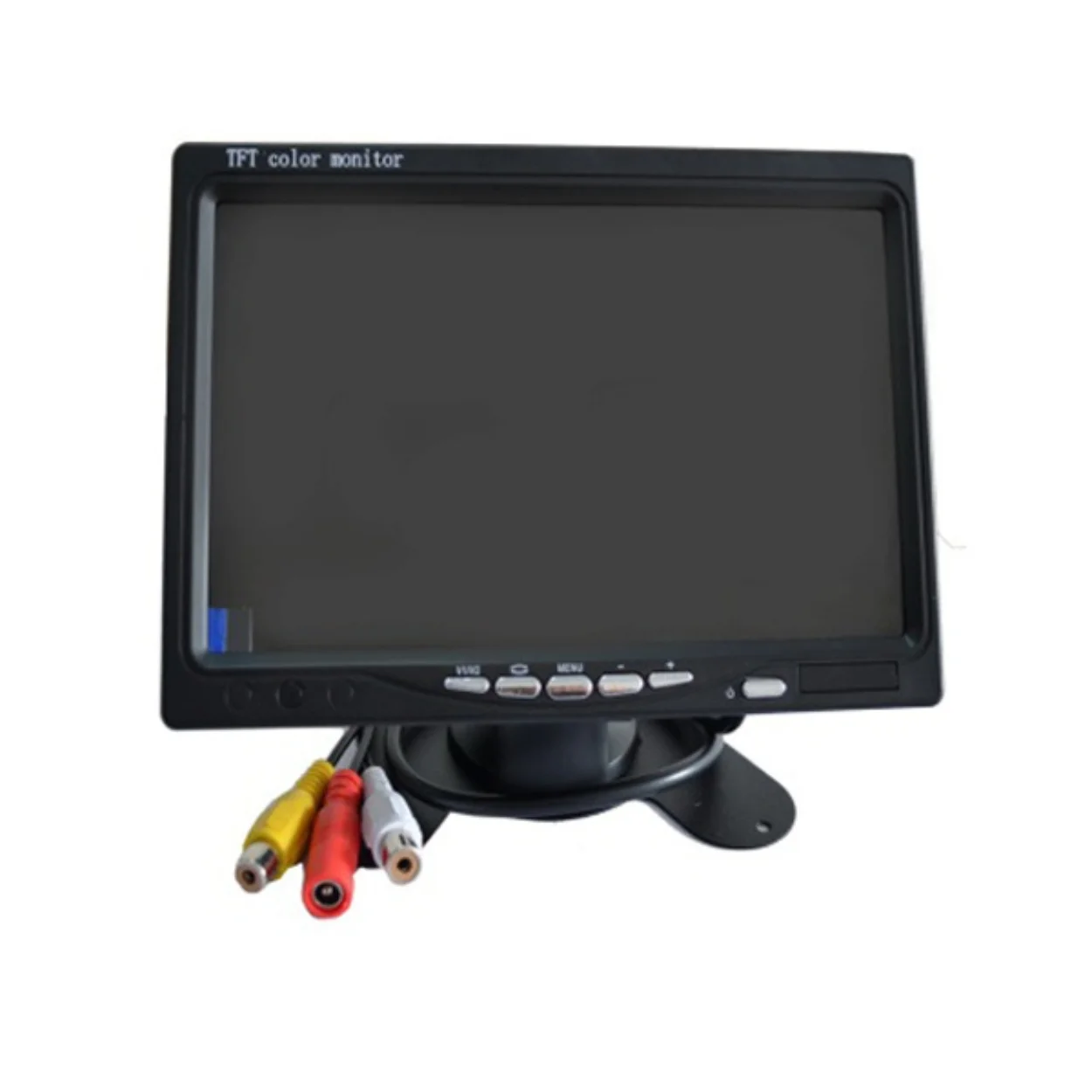
Road-facing and driver-facing cameras record events such as harsh braking or collisions, giving evidence for insurance claims and coaching.
Temperature monitoring
Refrigerated vehicles report cargo temperatures, protecting food and medicines in transit.
Reports and dashboards
Utilisation, fuel use, distances, driver scores, idle time and costs per vehicle, delivered on screen or by email.
Hardware we supply
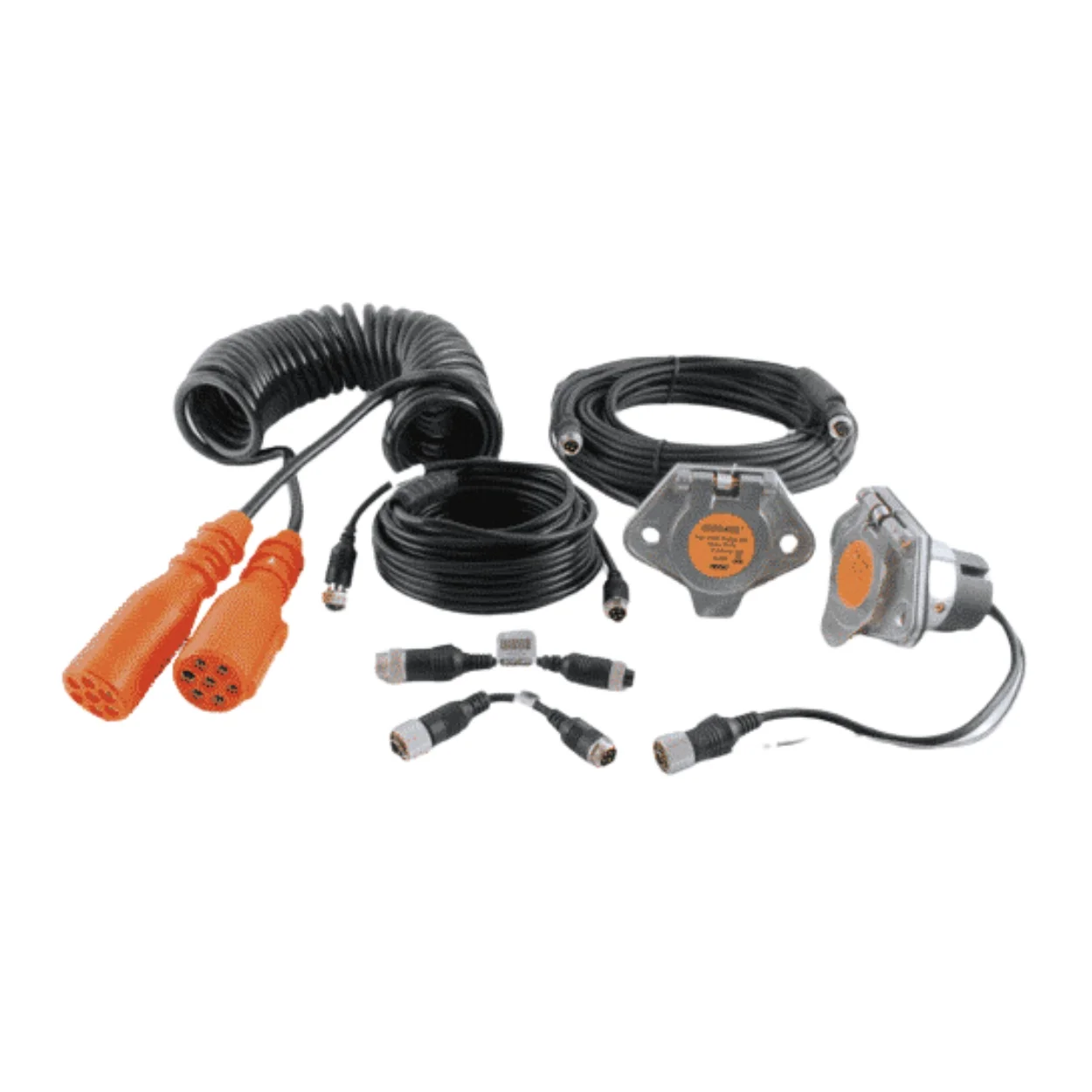
- GPS trackers for vans, trucks, buses and equipment
- Fuel level sensors and CAN bus readers
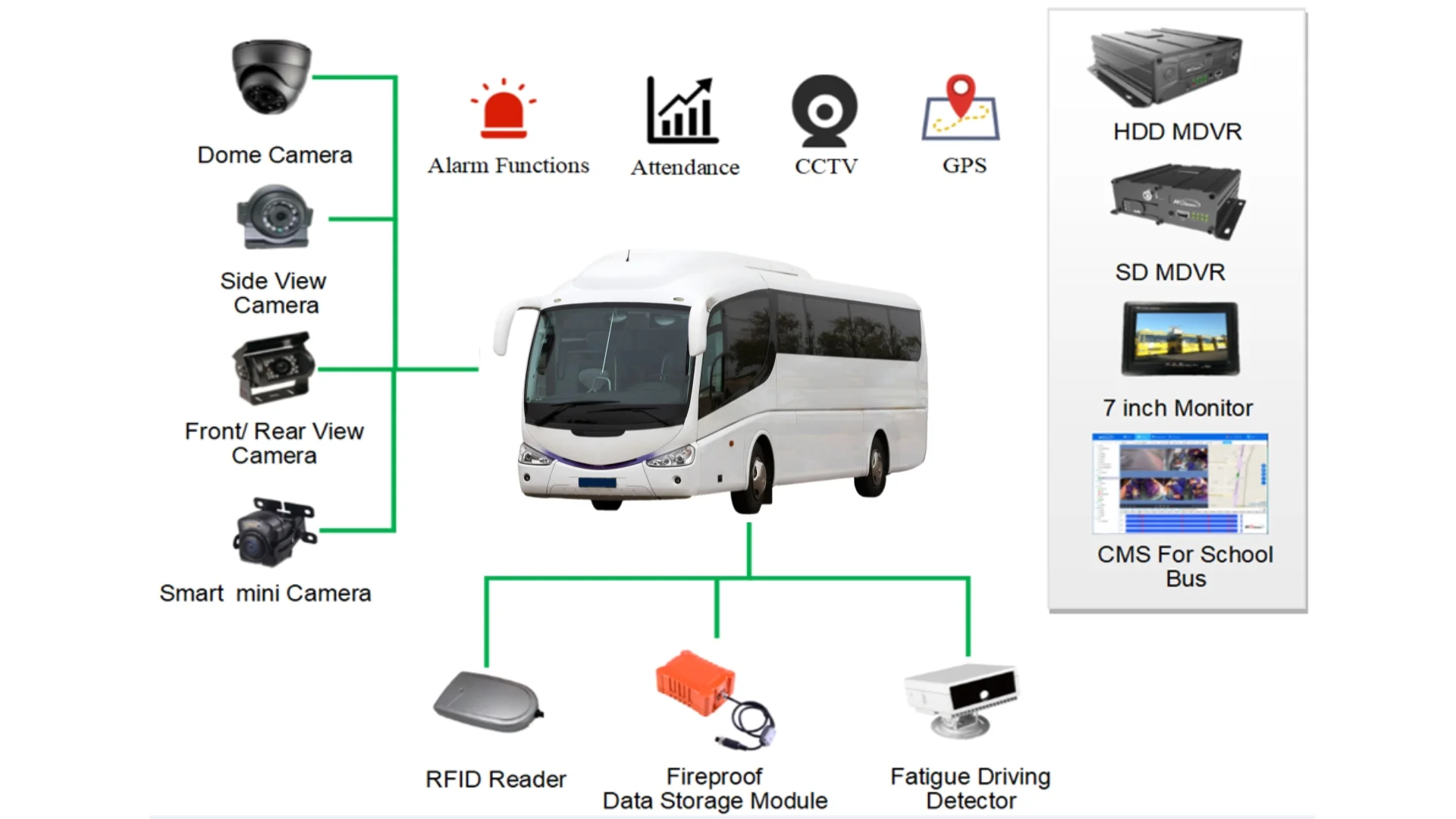
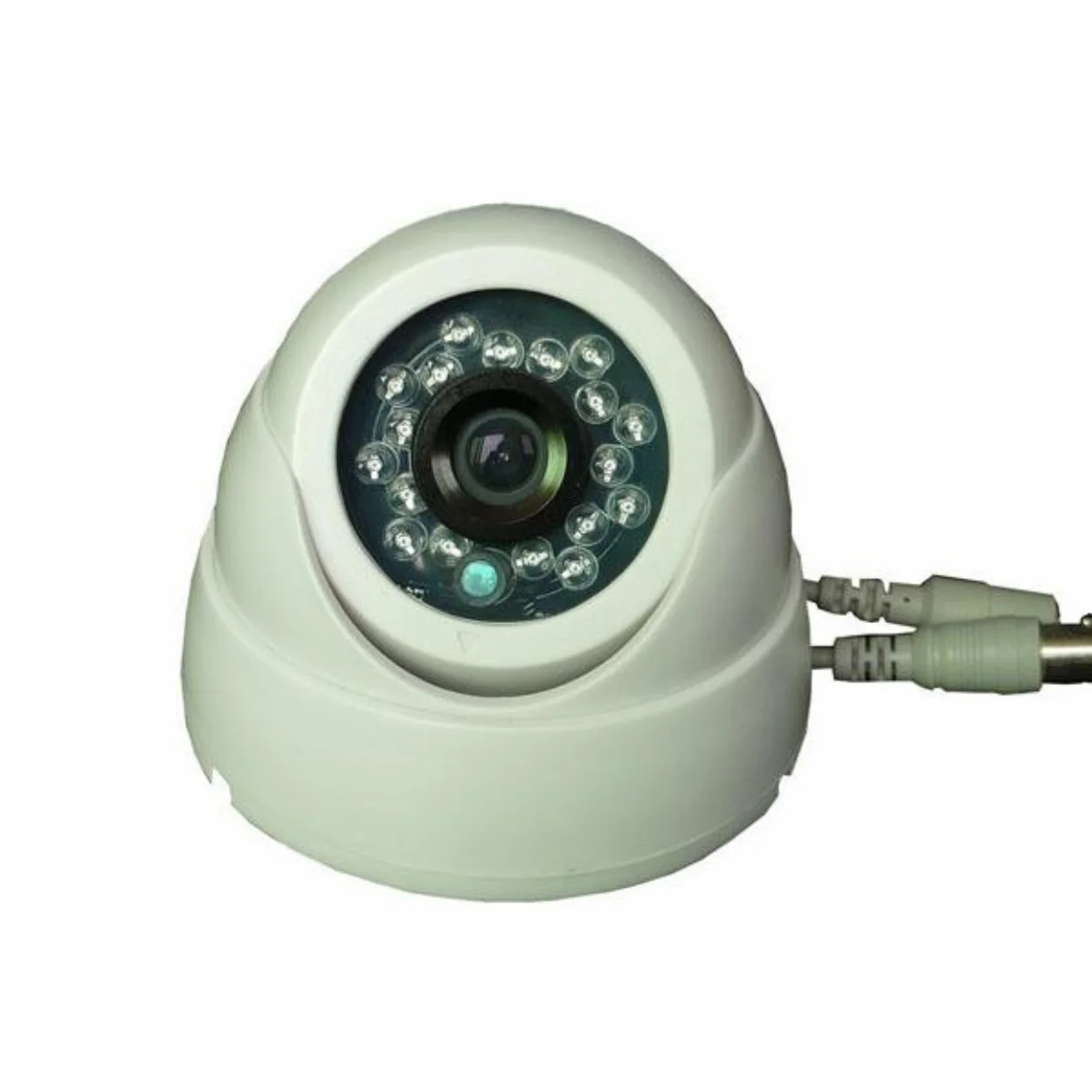
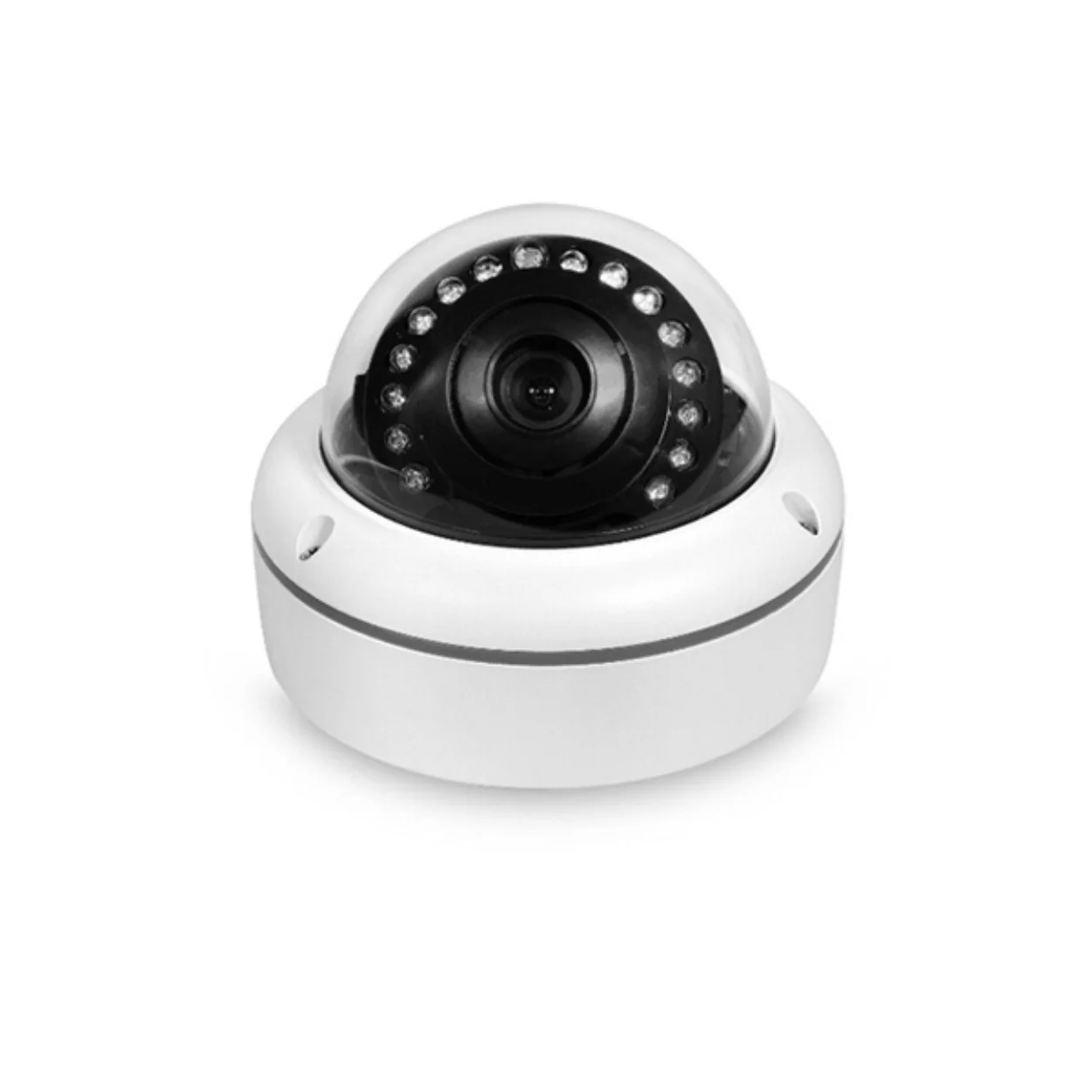
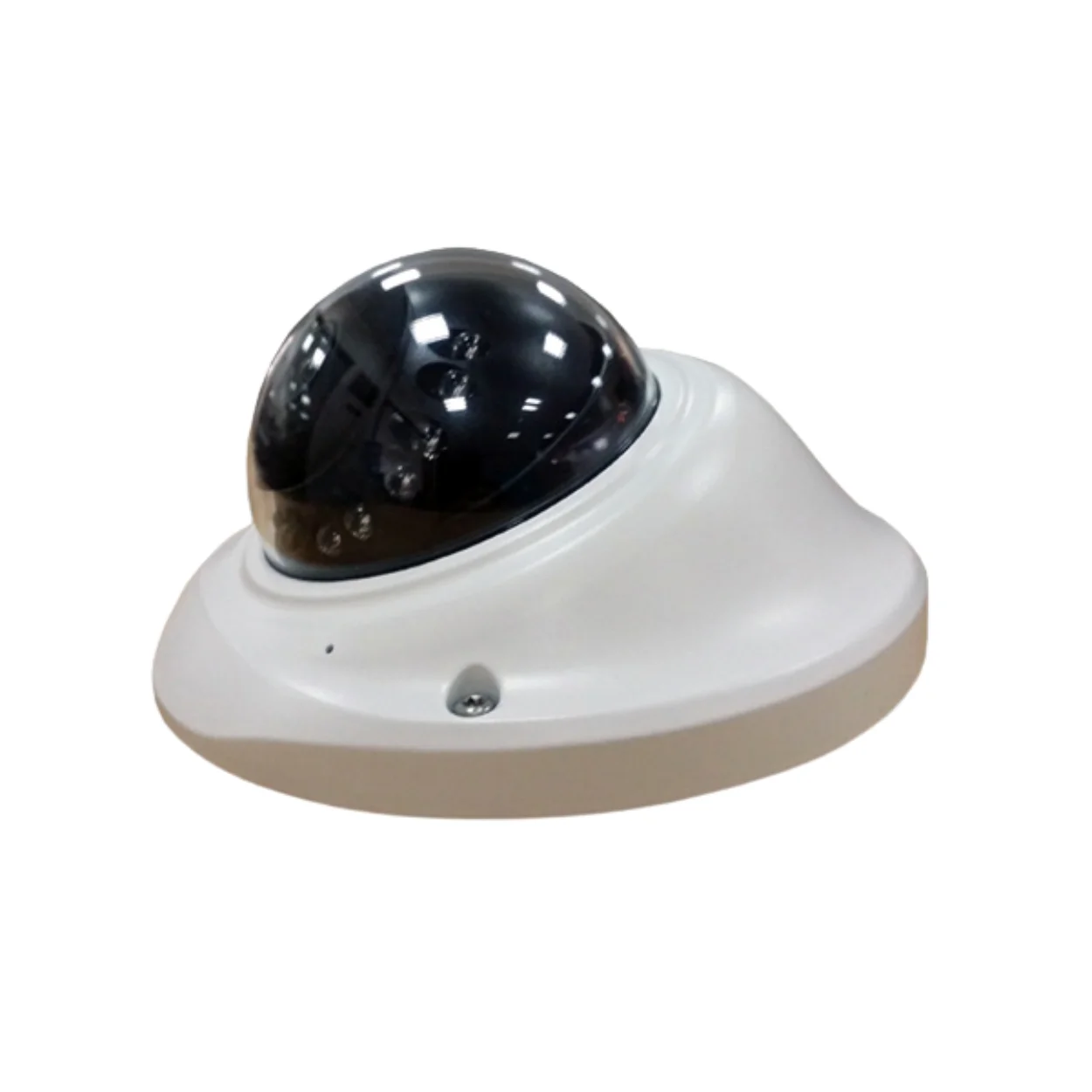
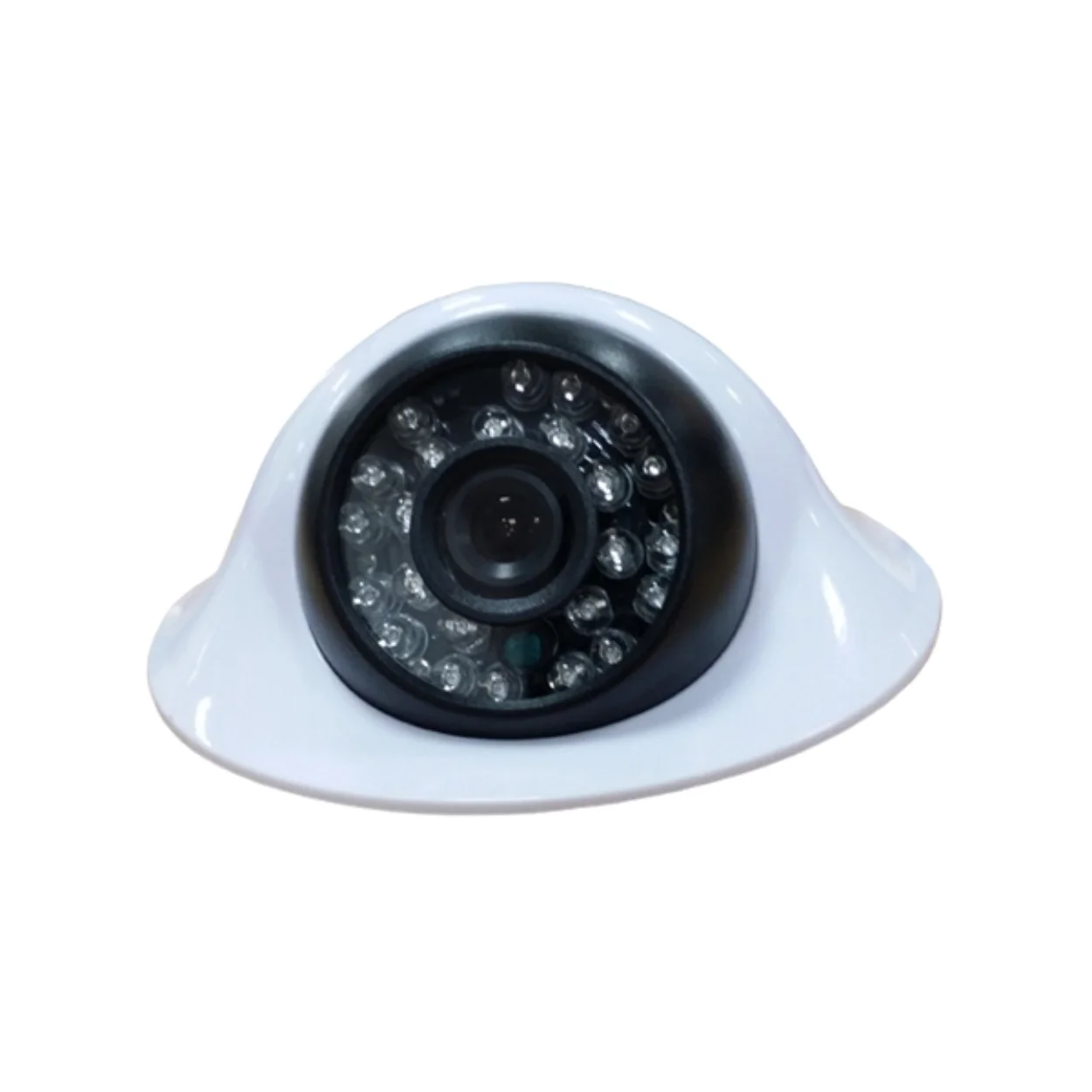
- Dashcams and driver-facing cameras with AI event detection
- Driver identification using RFID cards
- Temperature sensors for refrigerated cargo
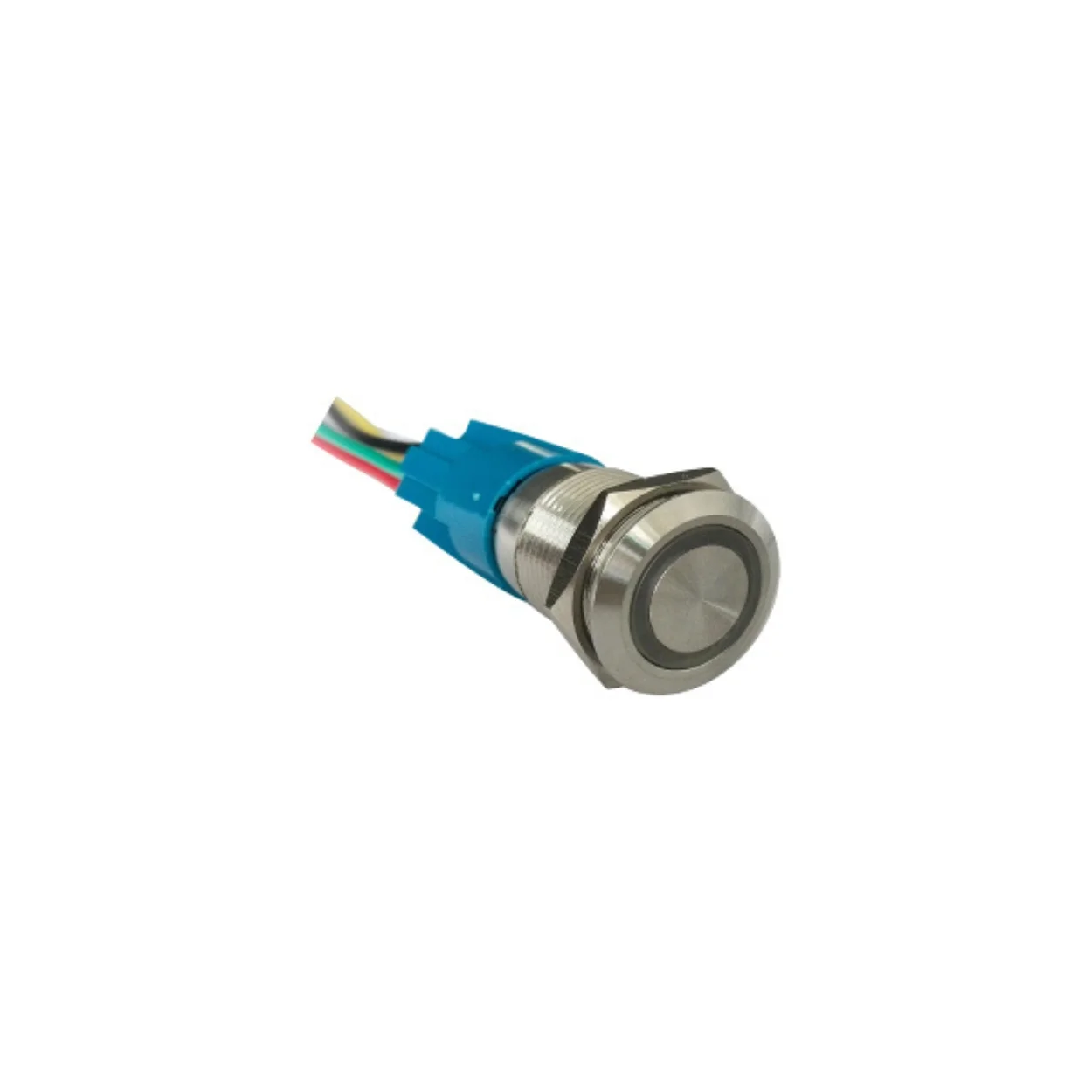
- Panic buttons for drivers working alone
Who uses fleet management
- Logistics and delivery companies managing last-mile and long-haul fleets
- Construction and contracting firms with trucks, pickups and heavy equipment
- Facility management and service companies with technicians on the road
- Schools and bus operators. See school bus fleet management.
- Car rental and leasing companies protecting their assets
- Government and municipal fleets
Benefits
- Lower fuel costs through less idling, better routes and theft detection
- Safer driving and fewer accidents through coaching and cameras
- Higher utilisation by seeing which vehicles are underused
- Lower maintenance costs by servicing on time
- Better customer service with accurate arrival times
- Less paperwork with automatic logs and reports
Built for the region
The system supports Arabic and English, works across Saudi Arabia, Qatar and Oman with regional cellular networks, and handles long-distance routes between cities. Hardware is selected for high cabin temperatures in summer. Data can be hosted in the region.
Example scenario: a distribution company in Riyadh
Picture a food distribution company with 80 vans and trucks delivering across Riyadh and nearby cities. Fuel costs are rising, customers complain about late deliveries and two vans were in accidents last quarter. After installing trackers, fuel sensors and dashcams, the company finds that some vehicles idle for hours with engines running to keep cabins cool, and some routes are much longer than needed. Coaching reduces harsh driving, route planning cuts kilometres and customers receive accurate arrival times. Camera footage settles an insurance claim in the company’s favour.
Getting started
- Review your fleet, goals and current costs.
- Choose hardware for each vehicle type.
- Install devices, often in under an hour per vehicle.
- Set up users, geofences, alerts and reports.
- Train managers and drivers.
- Review results after the first month and adjust.
Fleet data and driver privacy
Tracking data shows where people are, so it must be handled responsibly. Good practice is to tell drivers what is tracked and why, limit access to managers who need it, set retention periods and use private mode for vehicles that employees may use outside work hours where policy allows. Clear rules build trust and support data protection requirements in Saudi Arabia, Qatar and Oman.
Integration with other systems
Fleet data can feed payroll for driver hours, maintenance systems for service schedules, dispatch and delivery software for live arrival times, and site access control so only authorised vehicles enter depots and yards.

Driver Behavior

Route Optimization

Analytical Reports

Fuel Analytics

Fleet Tracking & Dispatch

Predictive Maintenance

Inspections & Work Orders

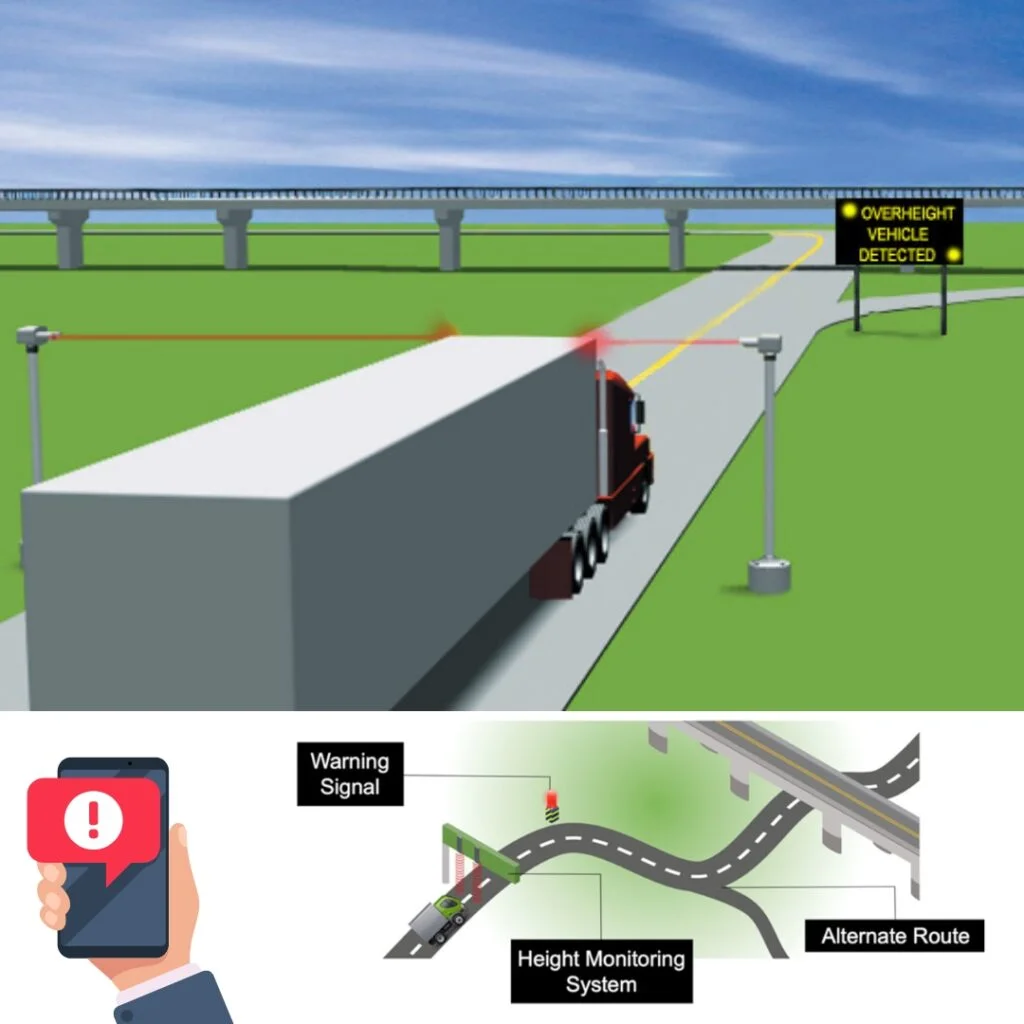
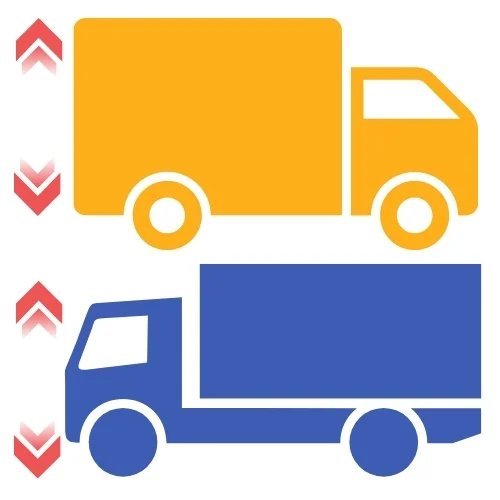
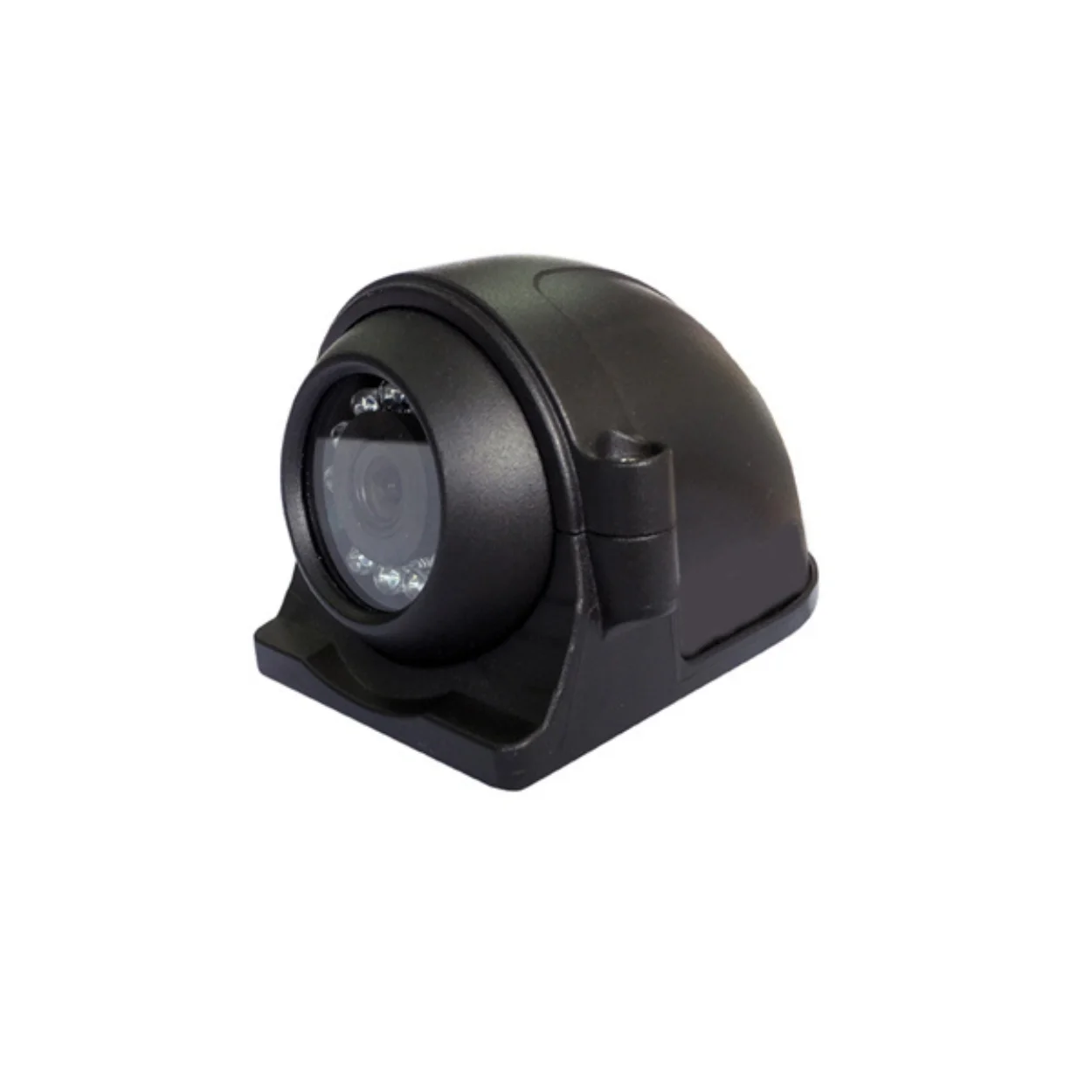
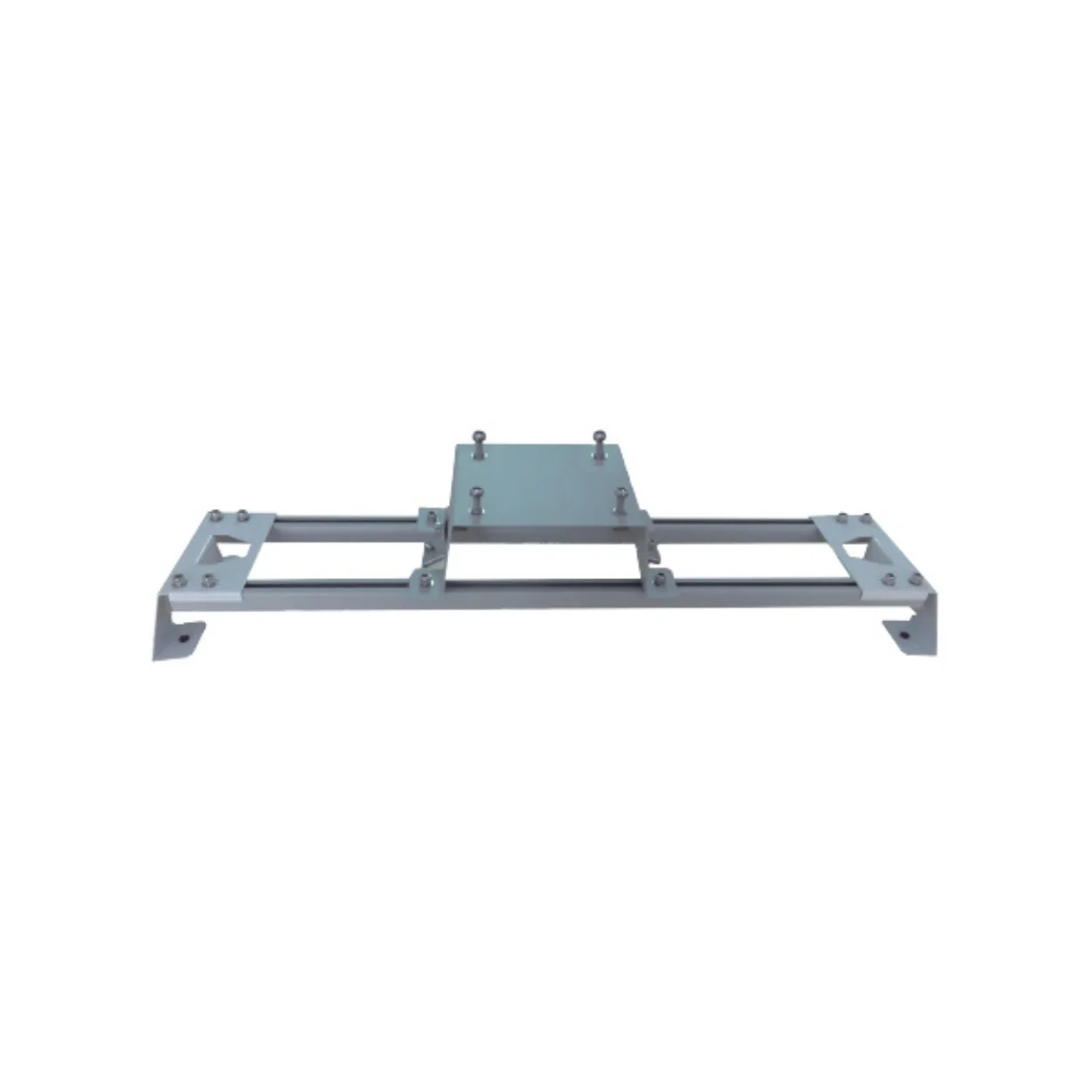
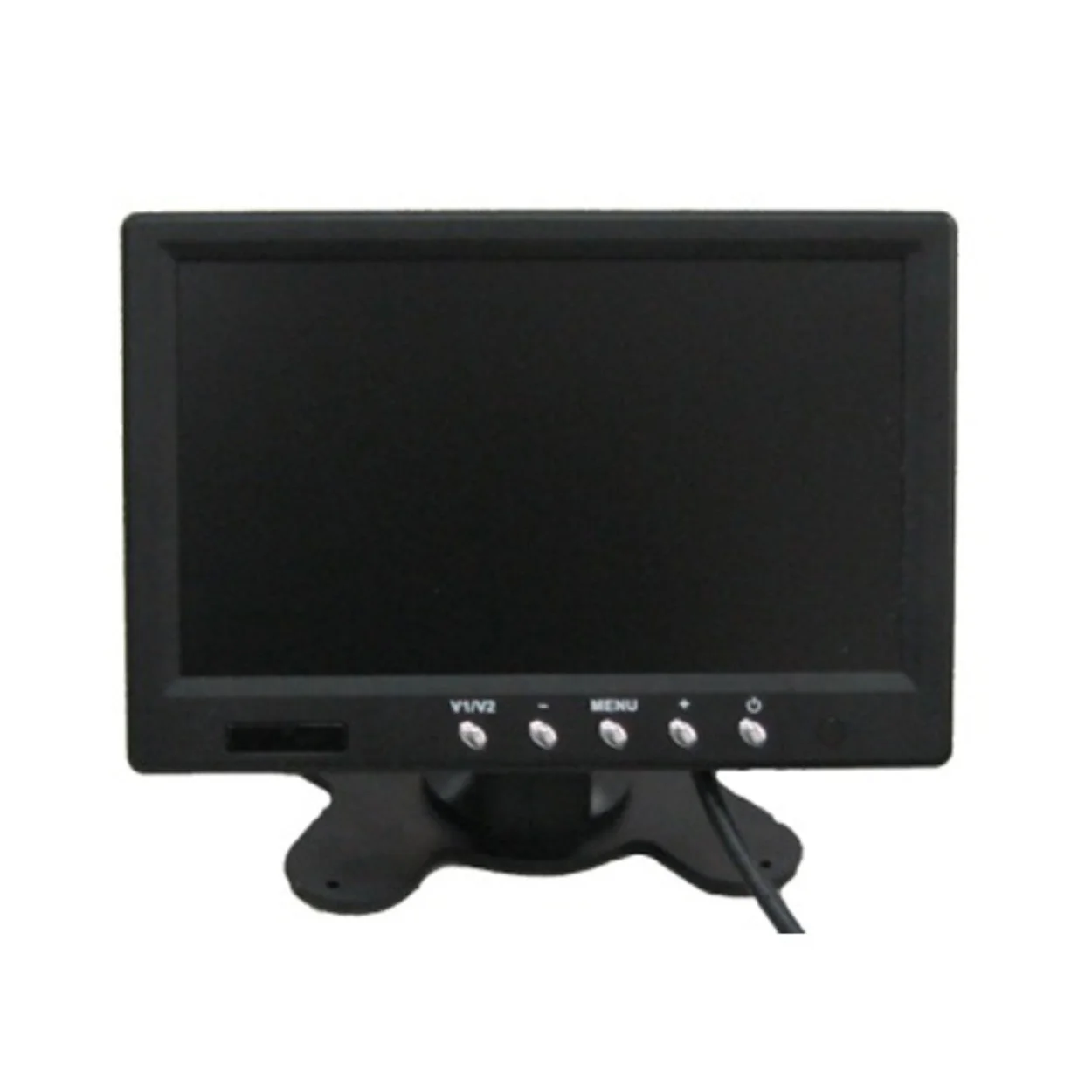
Truck OverHeight Alert
In this section
Frequently asked questions
How accurate is GPS tracking?
Typically within a few metres in open areas, with updates every few seconds to a minute depending on settings.
Can the system detect fuel theft?
Yes. Fuel level sensors show sudden drops and compare refuelling with consumption.
Do drivers know they are being tracked?
Drivers should be informed about tracking, how data is used and who can see it. This builds trust and supports data protection rules.
Does the system work across borders?
Yes. Vehicles can be tracked across Saudi Arabia, Qatar and Oman using regional cellular networks.
Can we add cameras later?
Yes. Video telematics can be added to existing trackers as your needs grow.
How long does installation take?
Most trackers can be installed in under an hour per vehicle, often outside working hours to avoid downtime.