
Real-Time Environmental Insights for Healthier Cities
Air quality, dust, heat, emissions and water quality affect public health, worker safety and the license to operate for many businesses in the Gulf. Regulators are tightening requirements, and communities expect transparency. In Saudi Arabia, environmental regulation and compliance monitoring sit with the National Center for Environmental Compliance, and Qatar, Oman and Kuwait each have their own environmental authorities and permits. Expedite IoT supplies, installs and supports environmental monitoring systems that measure what matters, continuously and accurately, and share the data with the people who need it. It is part of our wider IoT solutions.
What we monitor
Ambient air quality
Monitoring stations measure pollutants such as particulate matter (PM10 and PM2.5), nitrogen dioxide, sulphur dioxide, carbon monoxide and ozone, alongside temperature and humidity. Dust is a particular concern in the region, both for health and for equipment.
Weather
Automatic weather stations record temperature, humidity, wind speed and direction, rainfall, pressure and solar radiation for construction sites, airports, ports, farms and research.
Stack emissions
Continuous emission monitoring systems (CEMS) measure gases and particulates from industrial stacks, supporting permit conditions and reporting.
Noise
Sound level monitoring for construction sites, industrial boundaries and urban areas.
Water
Flow meters and water quality sensors for pH, turbidity, conductivity and other parameters in treatment plants, networks and discharge points.
Indoor environment
Temperature, humidity, carbon dioxide and particulate monitoring in offices, schools and hospitals.
How the system works
- Sensors and analysers are installed in stations or on equipment, chosen for accuracy and suitability for the climate.
- Data loggers and gateways collect readings and send them over cellular, fibre or radio networks.
- A central platform validates the data, stores it and checks it against limits.
- Dashboards and alerts show live and historical data and warn when values exceed thresholds.
- Reports are produced in the format regulators and clients require.
Who uses it
- Municipalities and smart cities tracking air quality and informing the public
- Industrial plants meeting emission and boundary limits
- Construction projects controlling dust and noise near communities
- Ports and airports managing weather and air quality
- Utilities monitoring water and wastewater
- Universities and research centres collecting long-term data
Data you can trust
Environmental data can lead to fines, permits or public decisions, so quality matters. Good practice includes:
- Choosing reference-grade analysers where regulations require them, and low-cost sensors only where indicative data is enough
- Regular calibration with traceable standards
- Protecting equipment from heat and dust with shelters, air conditioning and filters
- Automatic data validation that flags faulty readings
- Maintenance schedules with clear records
Example scenario: a construction project near homes
Picture a large construction project next to a residential area in Riyadh. Residents complain about dust and noise, and the developer needs to show it is controlling them. Dust and noise monitors are installed at the site boundary, with live data on a dashboard for the site team. When dust levels rise on a windy day, the site manager receives an alert and increases water spraying. Monthly reports show the developer’s performance to the authority and the community.
Example scenario: an industrial stack
A plant in Sohar must report emissions from its boiler stacks. A CEMS measures gases continuously, data is validated and stored automatically, and reports are produced for the regulator. Operators see trends that help them adjust combustion and reduce emissions.
Support and maintenance
Monitoring equipment needs regular attention to stay accurate. We offer maintenance contracts with calibration visits, spare parts, remote monitoring of station health and quick response to faults across Saudi Arabia, Qatar, Oman and Kuwait.
Building a monitoring network
Most organisations start small and grow. A typical path looks like this:
- Define the purpose: regulatory compliance, public information, worker protection or research.
- Choose locations: based on sources, wind patterns, sensitive receptors such as homes and schools, and access for maintenance.
- Select instruments: reference analysers for compliance points, sensors for wider coverage.
- Plan power and communications: solar power and cellular links for remote locations.
- Install and commission: with calibration and acceptance tests.
- Operate and review: monitor data quality, maintain equipment and adjust the network as needs change.
Heat and worker safety
Summer heat is a serious risk for outdoor workers across the Gulf, and Saudi Arabia, Qatar, Oman and Kuwait all restrict outdoor work during the hottest hours of summer. Weather stations that measure temperature, humidity, wind and solar radiation can calculate heat stress indices for each site. Supervisors receive alerts when conditions become dangerous, helping them schedule work, breaks and hydration properly and keep records that show the rules were followed.
Linking environmental data to other systems
Environmental data is more useful when it connects to other systems. Air quality readings can adjust ventilation in buildings, weather data can pause crane operations in high winds, and dust alerts can trigger water spraying on construction sites. Data can also feed sustainability reports and dashboards for senior management.
Sharing data with stakeholders
Environmental data often needs to reach several audiences: operators who act on alarms, managers who track performance, regulators who check compliance and communities who want reassurance. The platform supports different views for each group, from detailed technical screens for operators to simple public displays showing an air quality index with colour coding. Data can also be shared with regulators through agreed formats and secure connections.
Dust storms and equipment protection
Sandstorms can block inlets, coat sensors and damage equipment. Stations in the region need dust filters, sealed enclosures, cooled shelters and maintenance after major storms. Our maintenance plans include inspection visits after severe weather, so data gaps are kept short and readings stay accurate.
Key Features
Air Quality Monitoring
Monitor key pollutants in real-time, including CO2, NO2, PM2.5, and PM10.
Noise Pollution Analysis
Monitor and analyze sound levels in real-time to combat urban noise pollution.
Weather & Climate Tracking
Monitor temperature, humidity, wind speed, and precipitation for predictive insights.
AI-Driven Data Analytics
Generate predictive reports and trends for proactive environmental management.
Seamless Integration with Smart City Systems
Enhance urban planning with connected environmental data.
Water Quality & Waste Management Monitoring
Track water pollution levels and optimize waste management strategies.
Customized Solutions
Expediteiot works closely with clients to deliver tailored systems for unique environments, from server rooms and data centers to remote areas. Cutting-Edge Technology, We harness advanced sensor technology, including air quality sensors and industrial-grade monitors, combined with data analytics and IoT-enabled devices, to provide precise and reliable data.
Sustainable Development
Our innovative solutions are designed to minimize environmental footprint while maximizing operational efficiency. By leveraging cloud-based environmental monitoring software and smart sensors, we empower organizations to make data-driven decisions that drive sustainability.
Key Benefits
Improved Public Health & Safety
Data-Driven Urban Planning
Early Warning & Risk Mitigation
Regulatory Compliance & Reporting
Scalability for Various Applications
Cost Savings & Operational Efficiency
Expediteiot
Build Smarter, Greener Cities with Expediteiot's Environmental Monitoring Solutions
Empowering cities and industries to track pollution, optimize resources, and drive sustainability through cutting-edge AI and IoT technology. Enhance your smart city initiatives with Expediteiot's advanced Environmental Monitoring Solutions. Contact us to discover how our intelligent monitoring system can boost sustainability and urban well-being.


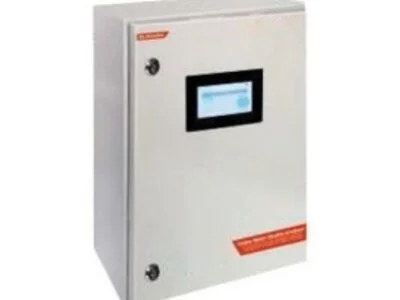
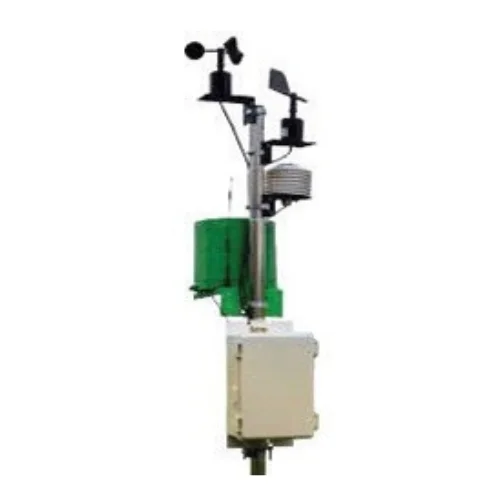
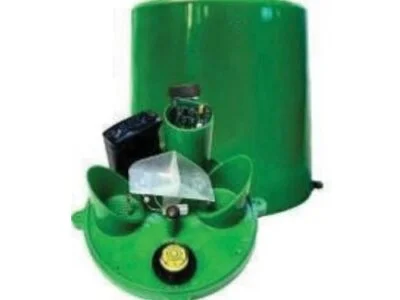
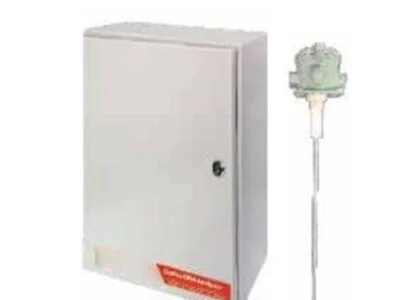
Advanced Sensor Technologies
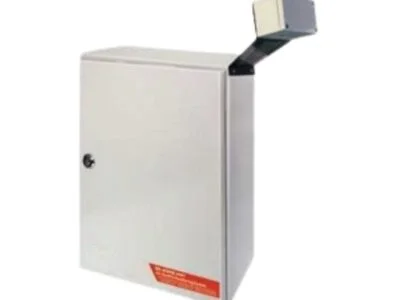
Real-time and continuous gas monitoring systems, portable gas detectors, and wireless gas sensors for air quality monitoring solutions.
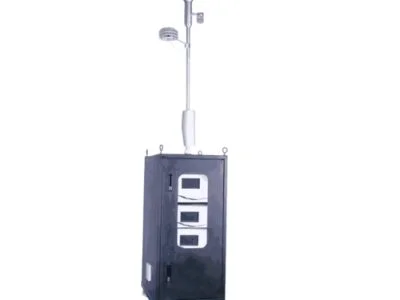
Remote temperature sensing, wireless monitoring, and data logging devices for industrial compliance and server rooms.
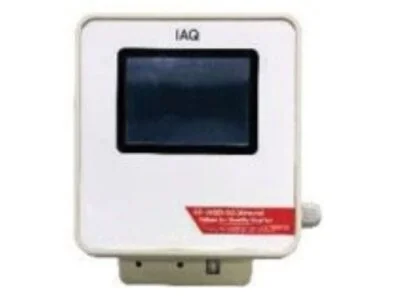
Ozone sensors, analyzers, and real-time measurement systems suitable for outdoor air quality monitors and pollution detection.
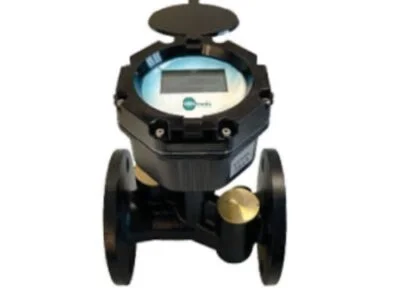
Digital water testing, IoT-enabled sensors, and cloud-based data analytics for comprehensive environmental monitoring systems.
Frequently asked questions
What is the difference between sensors and analysers?
Analysers are high-accuracy instruments used for regulatory monitoring. Low-cost sensors are cheaper and useful for wider coverage and indicative data.
Can the public see the data?
Yes. Data can be published on public dashboards or websites if the client wishes.
How often is calibration needed?
It depends on the instrument and regulations, but regular calibration is essential to keep data reliable.
Do you support Kuwait projects?
Yes. We support environmental monitoring projects in Kuwait as well as Saudi Arabia, Qatar and Oman.
Can monitoring stations run on solar power?
Yes. Many remote stations use solar panels and batteries with cellular communications.
Can the system help with heat stress management?
Yes. Weather stations can calculate heat stress indices and alert supervisors when outdoor work becomes unsafe.