Scoreboards and sports displays
Indoor scoreboards
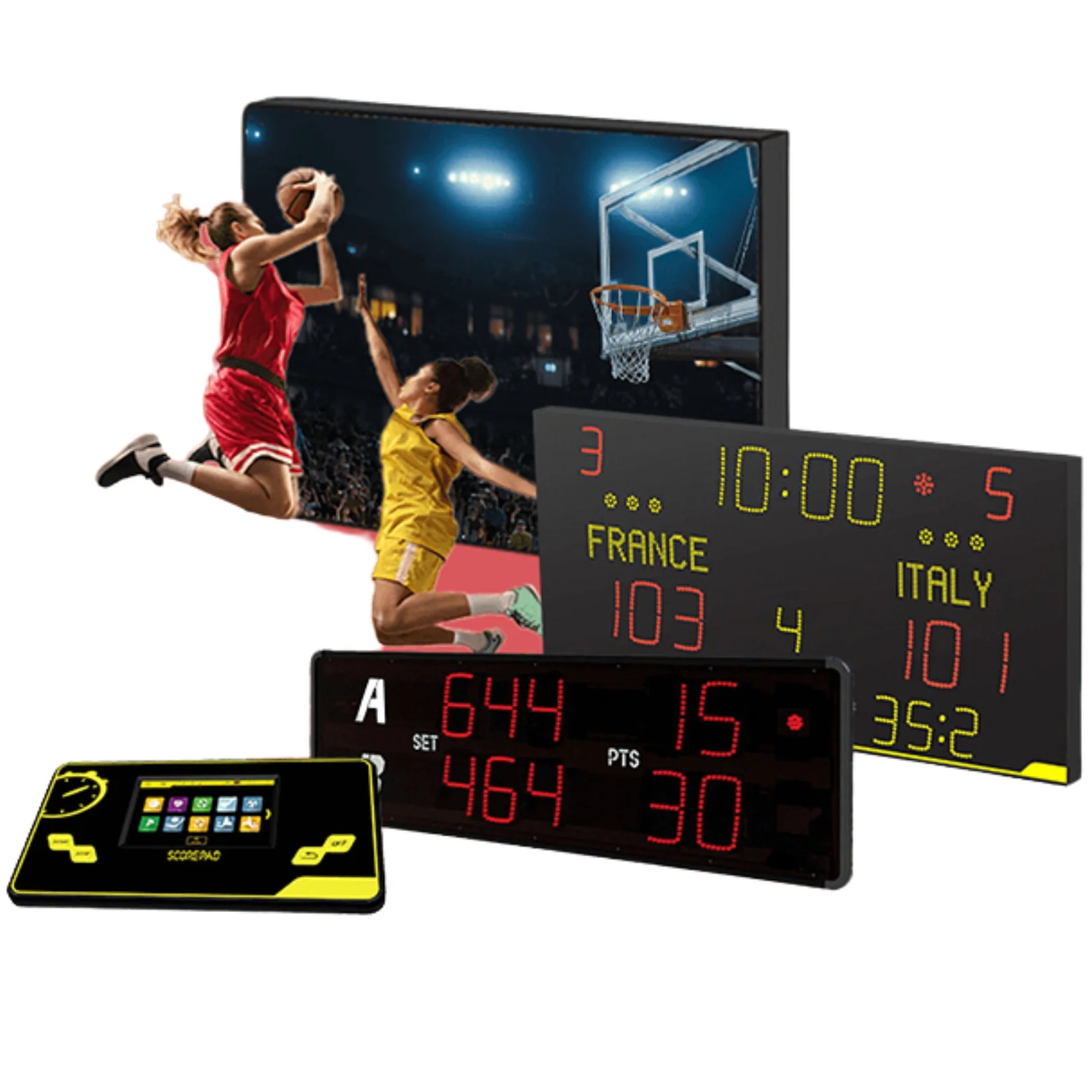
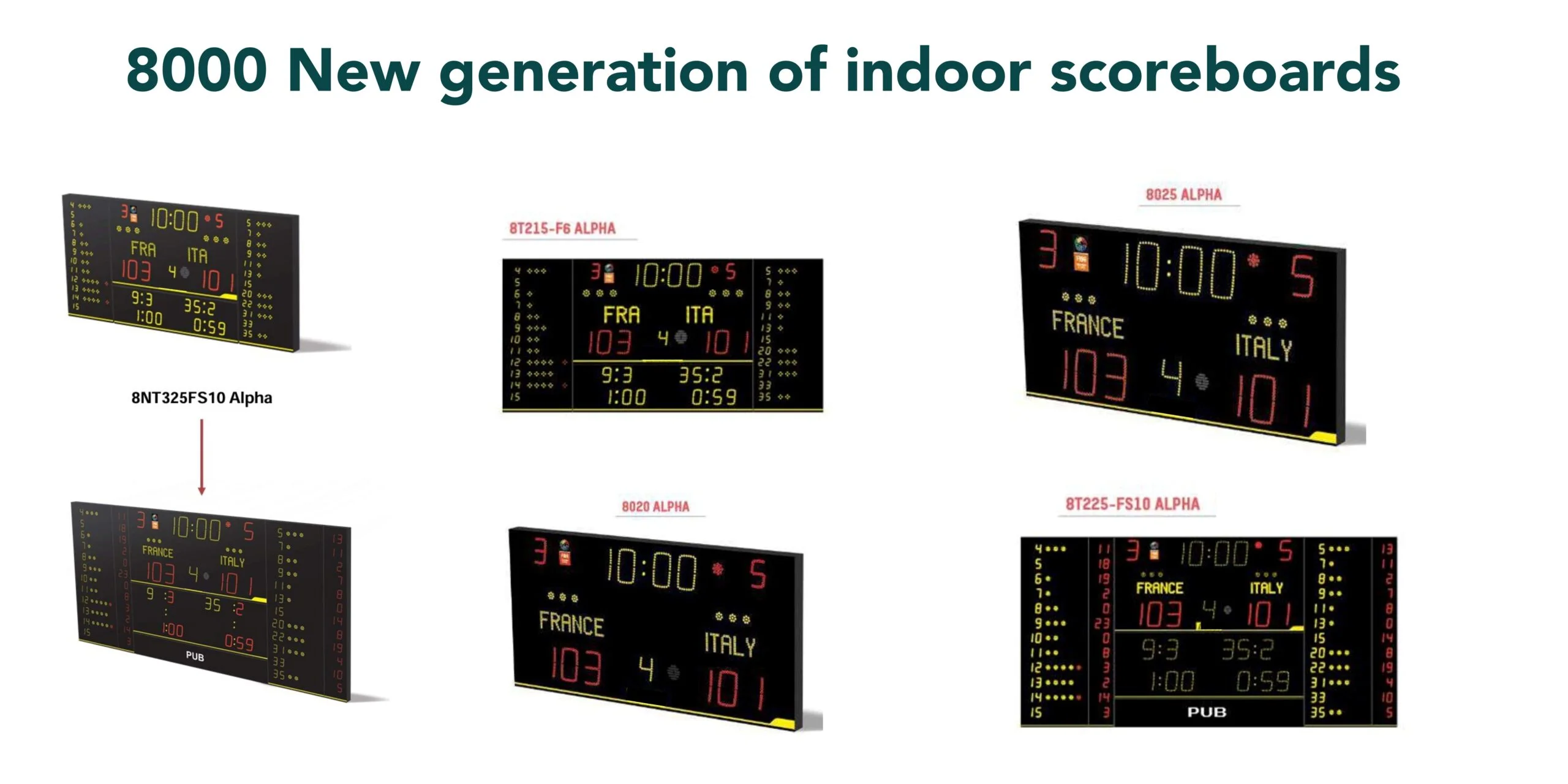
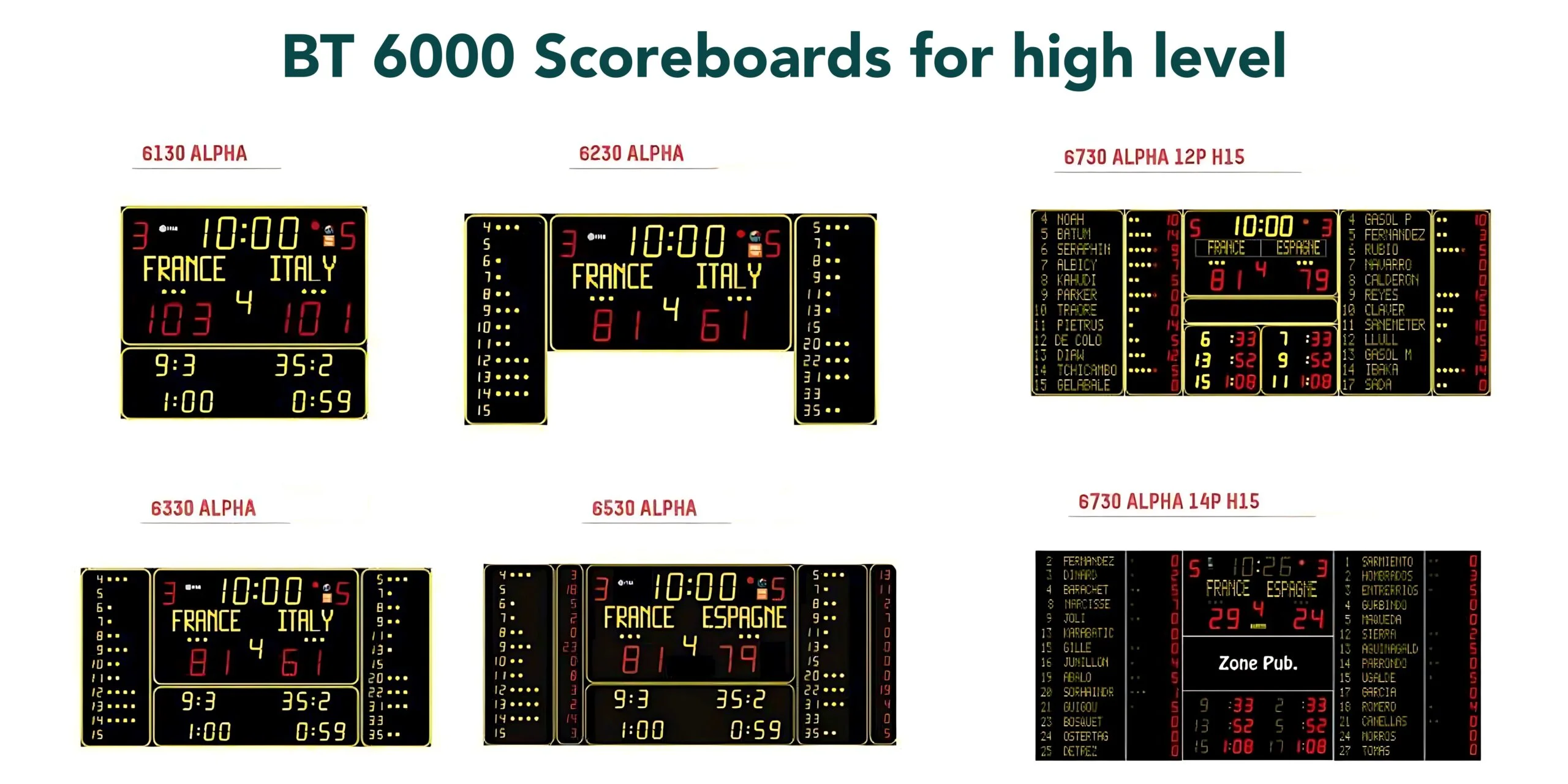
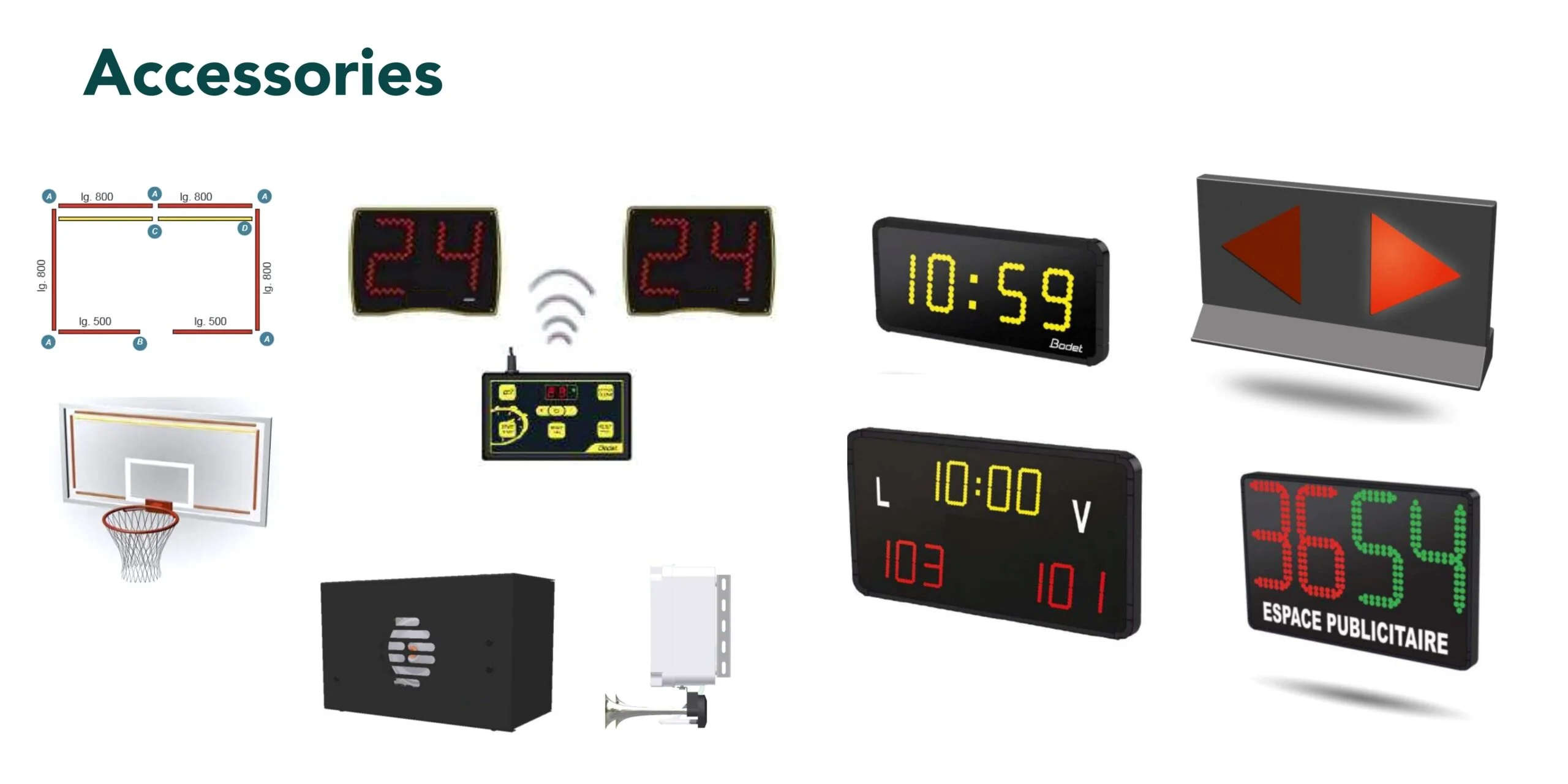
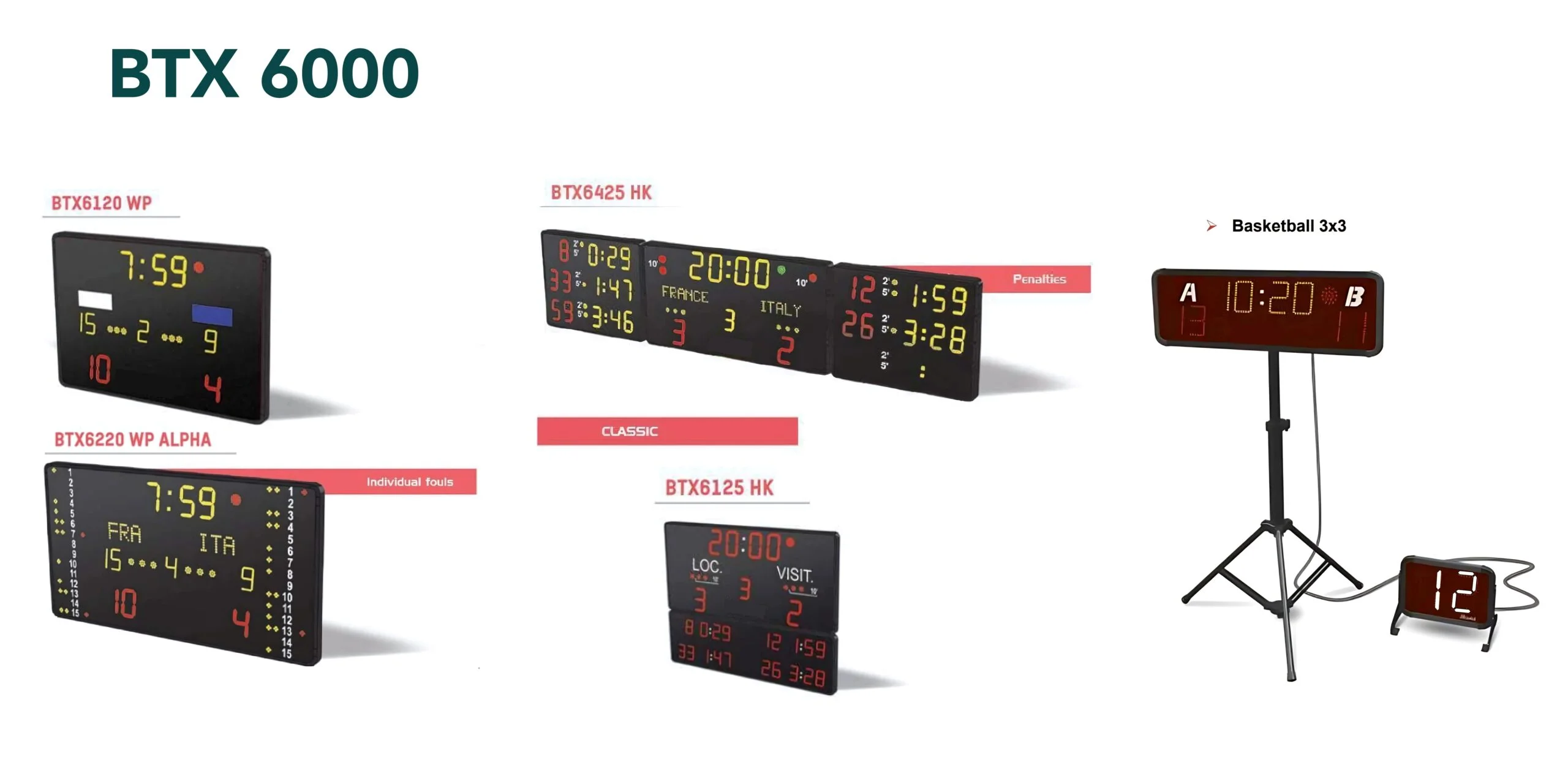
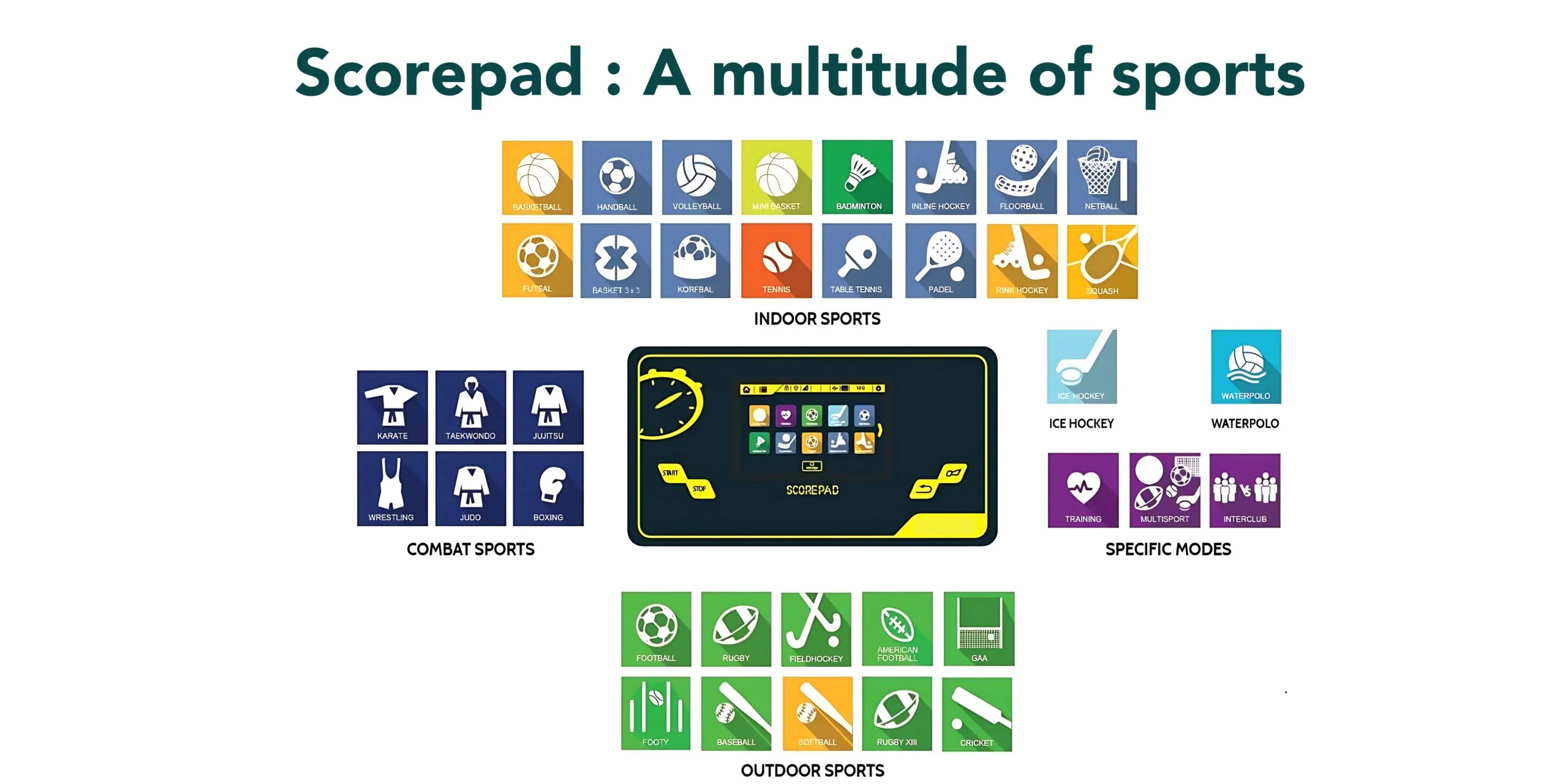
Multisport scoreboards for sports halls and arenas, showing scores, time, periods, fouls, timeouts and team names for basketball, volleyball, handball, futsal and other sports.
Outdoor scoreboards
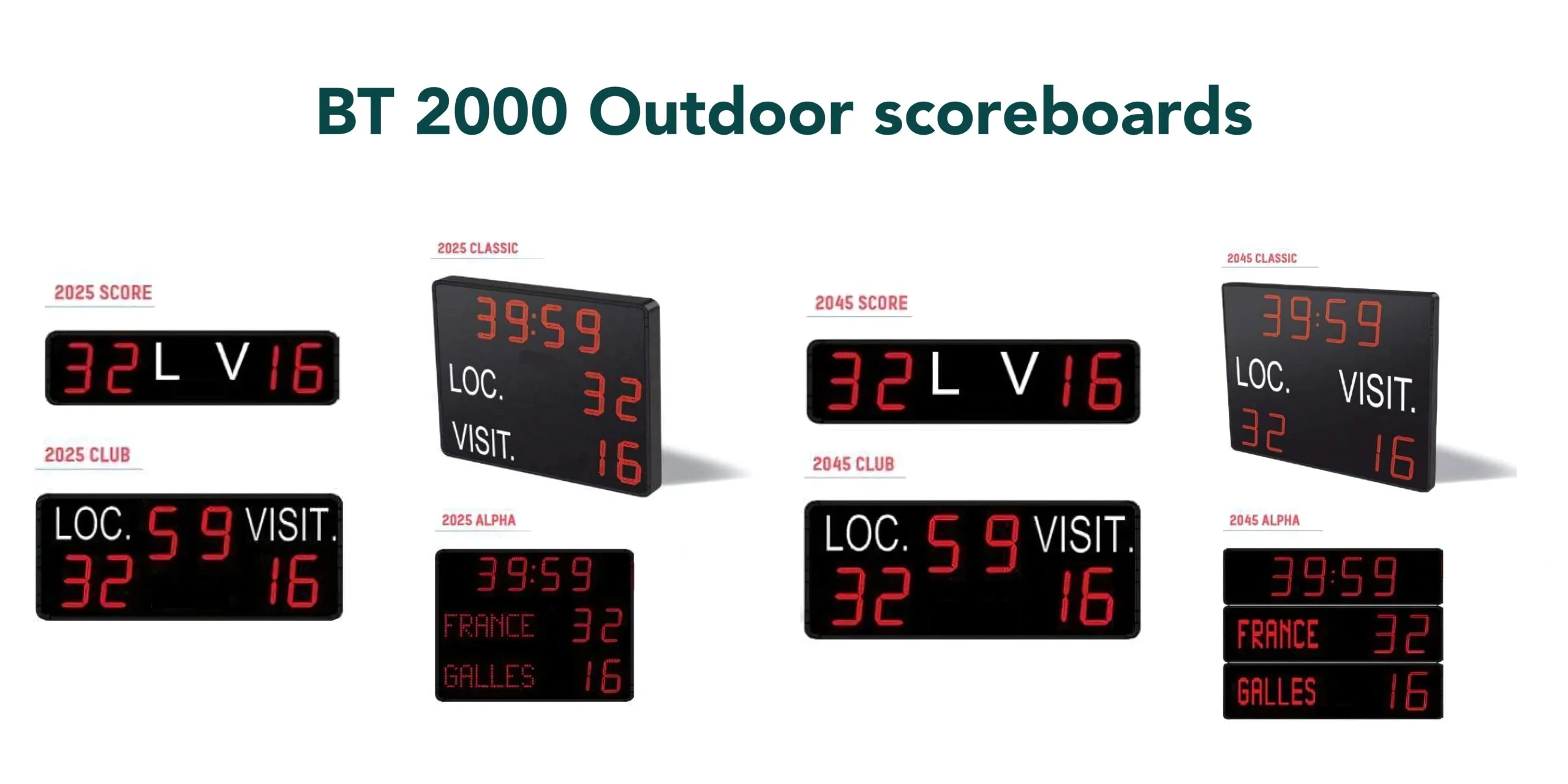
Weather-resistant scoreboards for football pitches, athletics tracks and school sports fields, with LED digits that stay readable in strong sunlight.
LED video screens
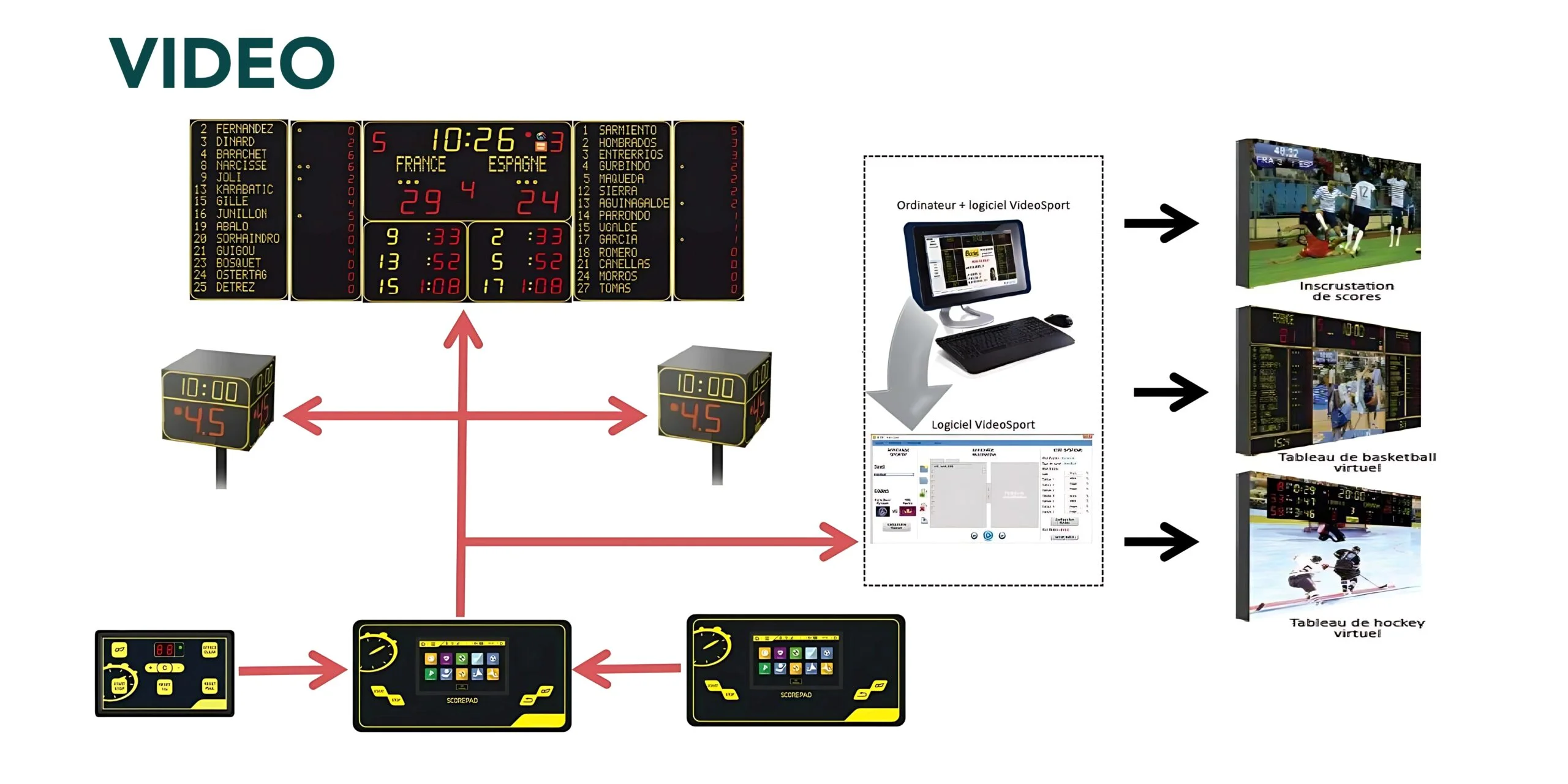
Full-colour screens for live video, replays, sponsor content and announcements in stadiums, arenas and campus venues.
Control consoles and software
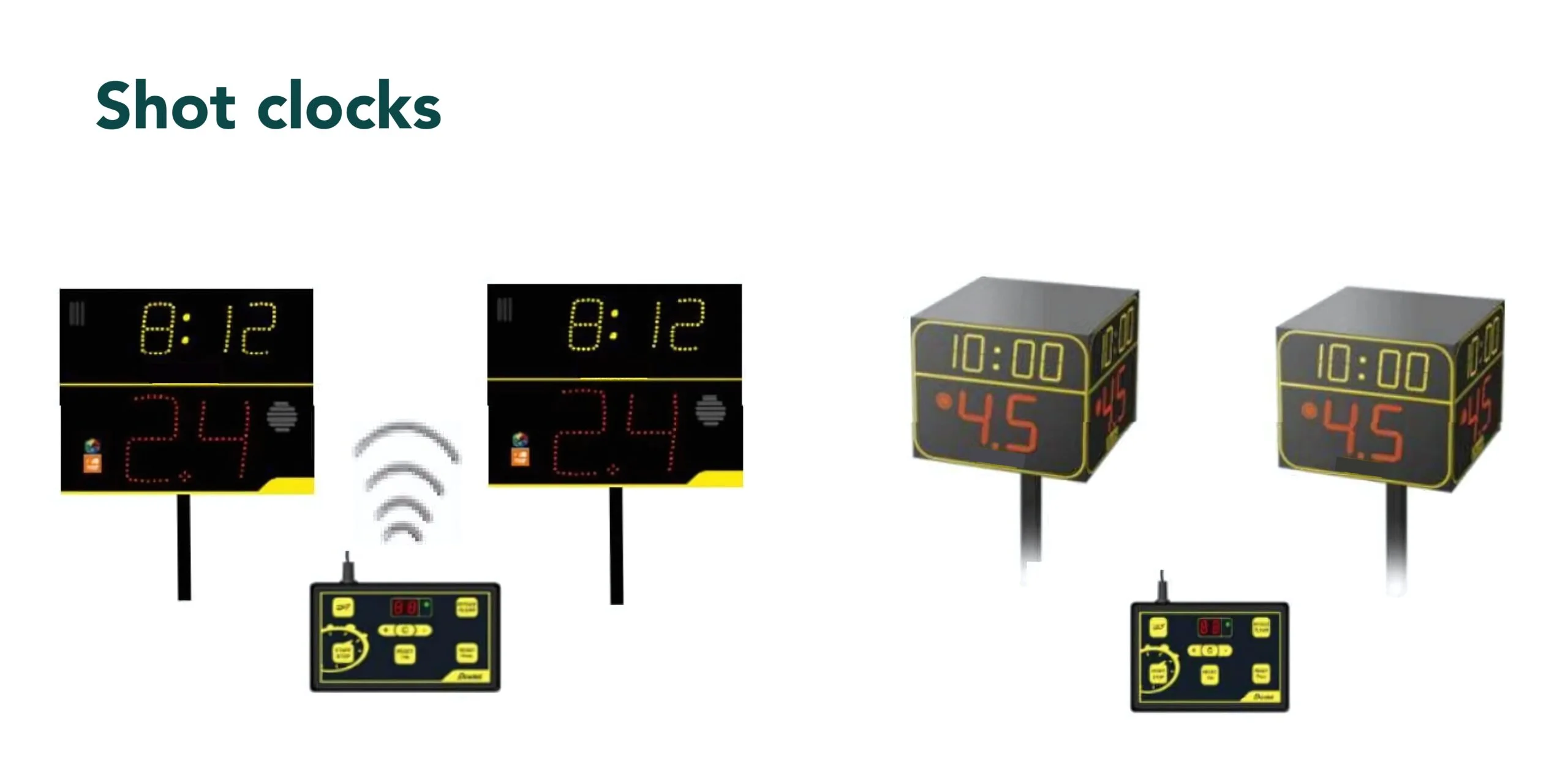
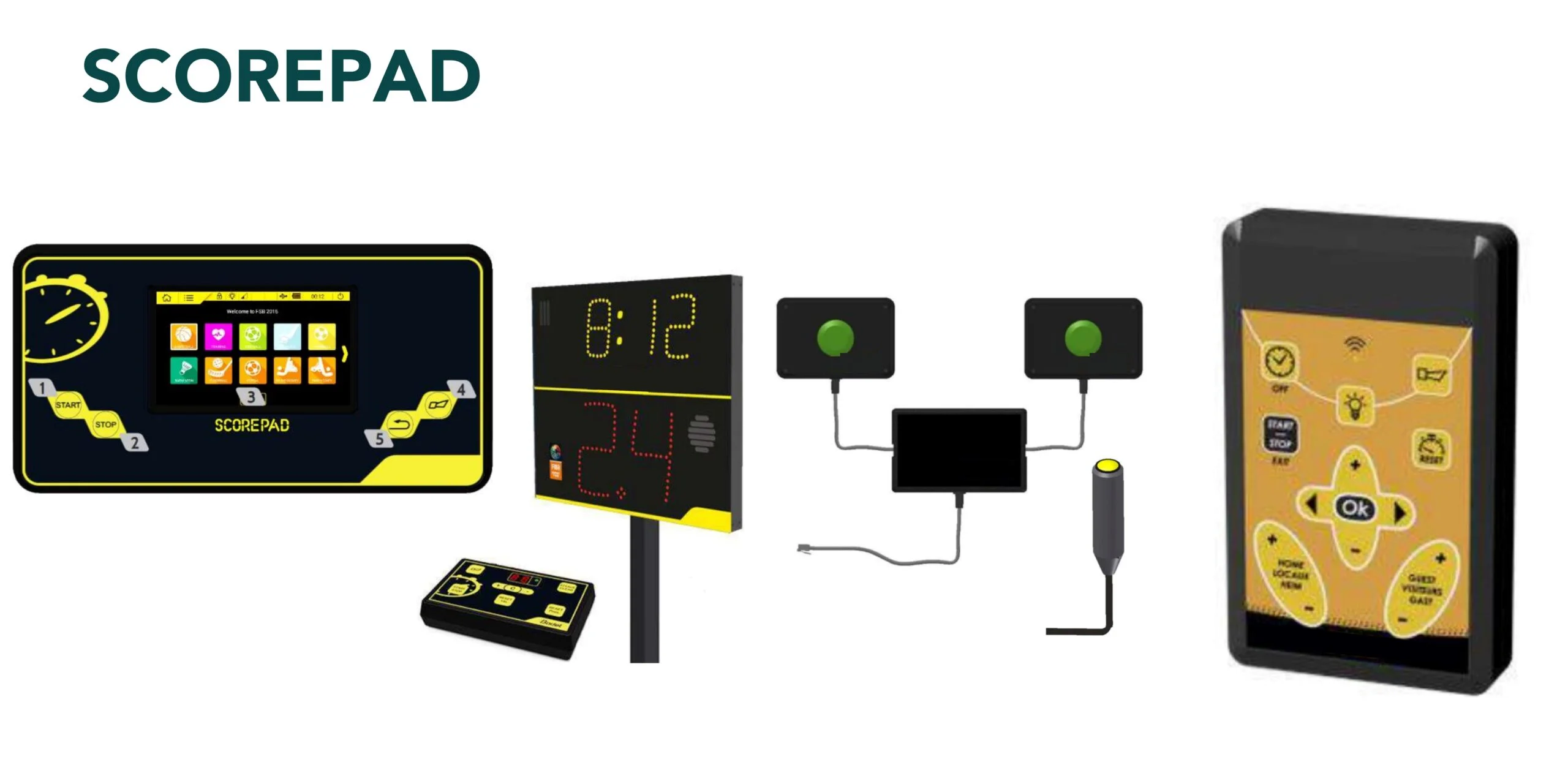
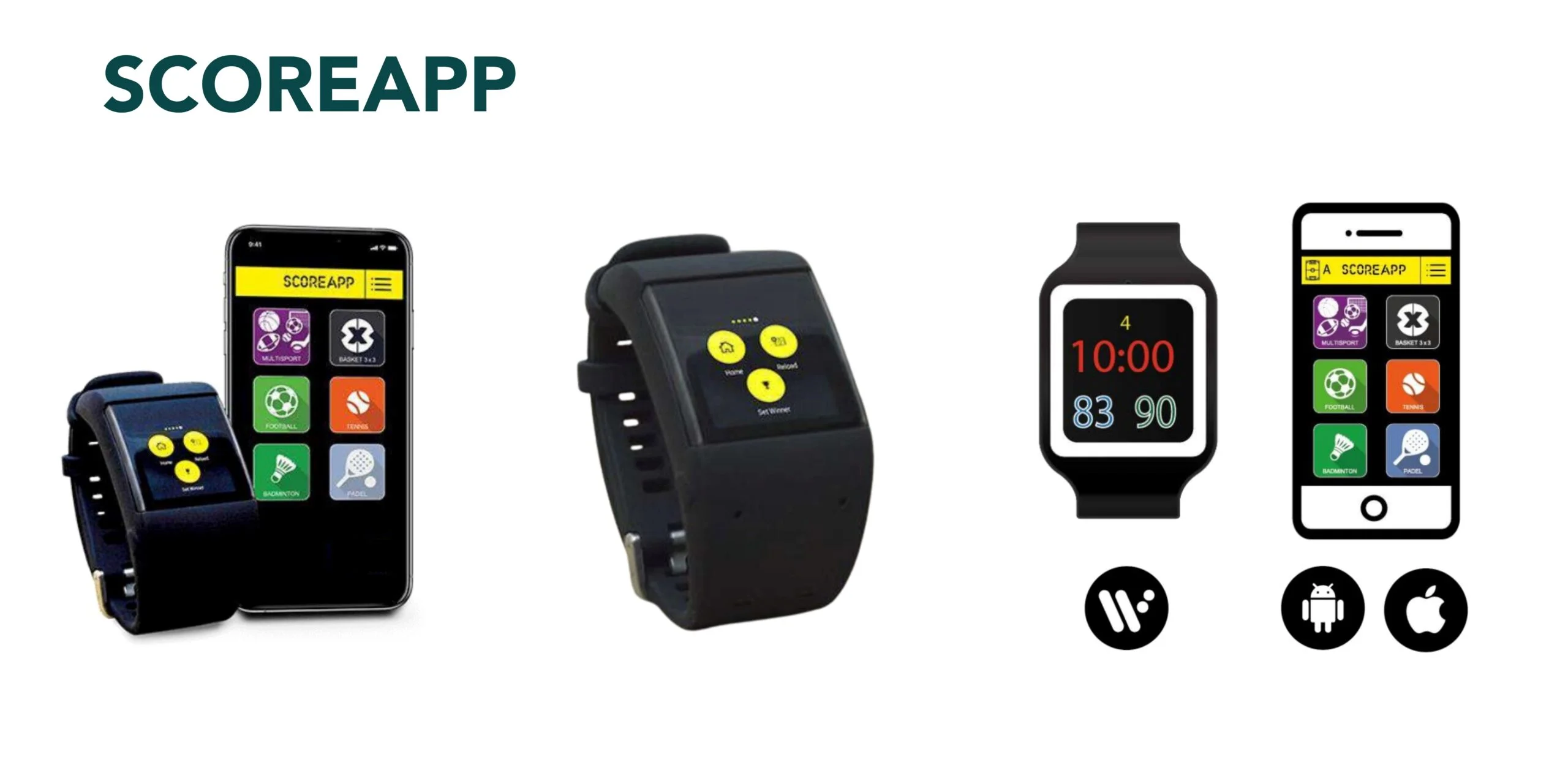
Operator consoles and software for scoring, timing and display control, including shot clocks and game clocks that stay synchronised.
Choosing the right scoreboard
The right scoreboard depends on the sports you host, viewing distance, indoor or outdoor installation, the level of competition and whether you need video. A school sports hall might need a simple multisport scoreboard with a wireless console, while a professional arena needs synchronised shot clocks, video boards and integration with broadcast systems. We help you match the scoreboard to your sports federation rules and your budget.
Synchronised time systems
Why time matters
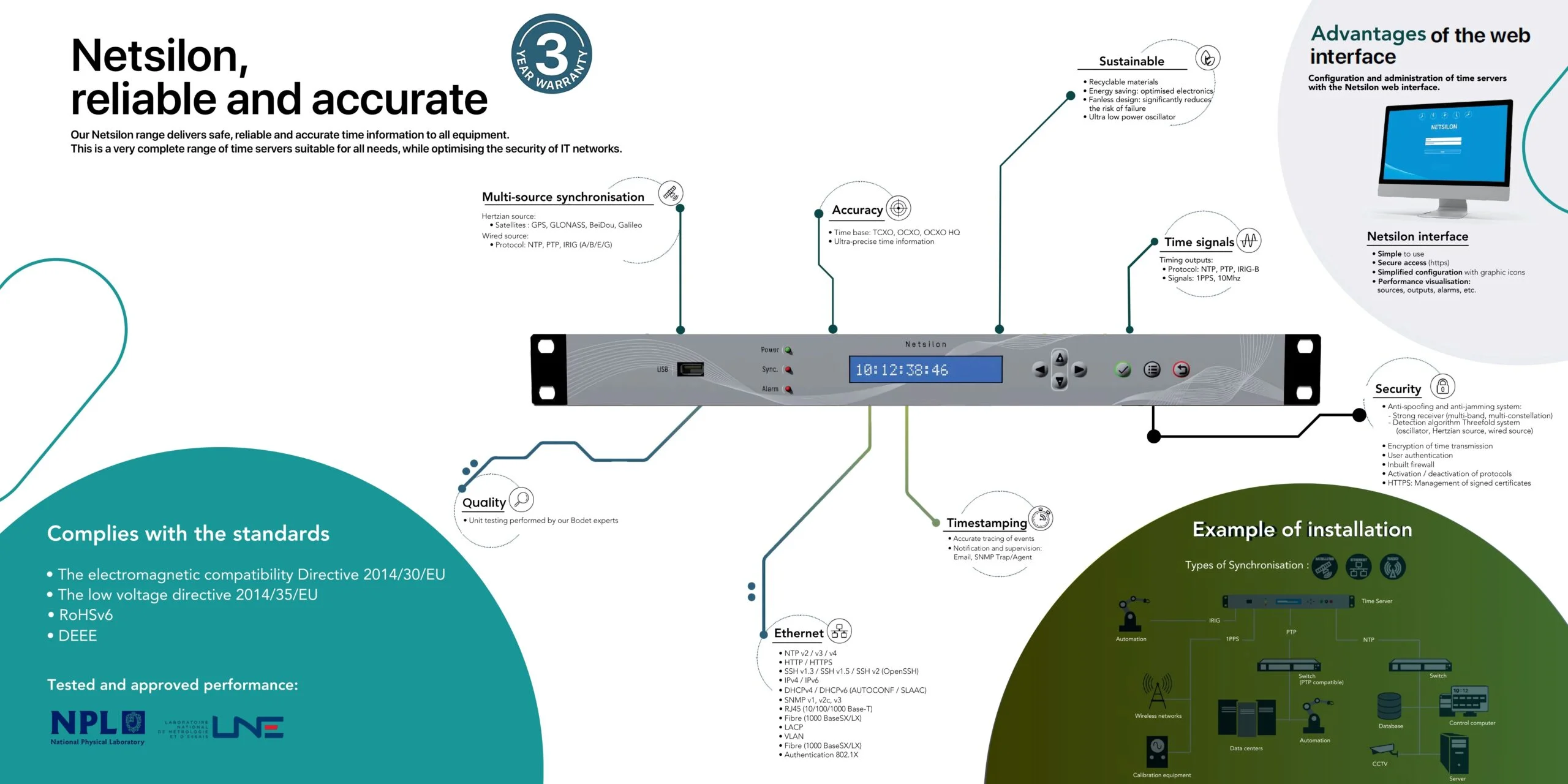
In schools, hospitals, airports, factories and offices, clocks that disagree cause confusion, missed appointments and disputes over working hours. A synchronised clock system keeps every clock on site showing exactly the same time.
How it works
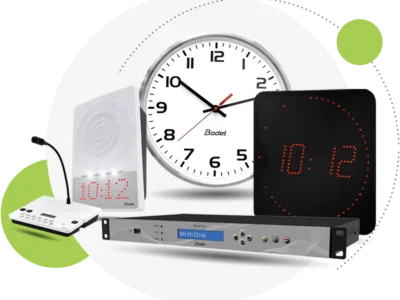
A time server receives accurate time from GPS or an internet time source, then distributes it to analogue and digital clocks over the network. Clocks adjust automatically for any changes and recover after power cuts.
Where it is used
- Schools and universities: lesson times, exams and bells
- Hospitals: accurate times for medication, procedures and records
- Transport hubs: departure times and passenger information
- Industrial sites: shift changes and process timing
- Offices and government buildings: meetings and attendance
Accurate time also matters for security systems. Access control, CCTV and attendance records are only useful as evidence if their clocks are correct and consistent.
Bells and public address systems
School bells and programmed announcements
Programmable bell systems ring at the right times for each school day, with different schedules for exams, Ramadan hours and special days. Pre-recorded messages and chimes can replace harsh bells.
Public address and voice alarm
Loudspeaker systems for announcements, background music and emergency messages. In emergencies, clear voice instructions help people evacuate calmly.
IP audio systems
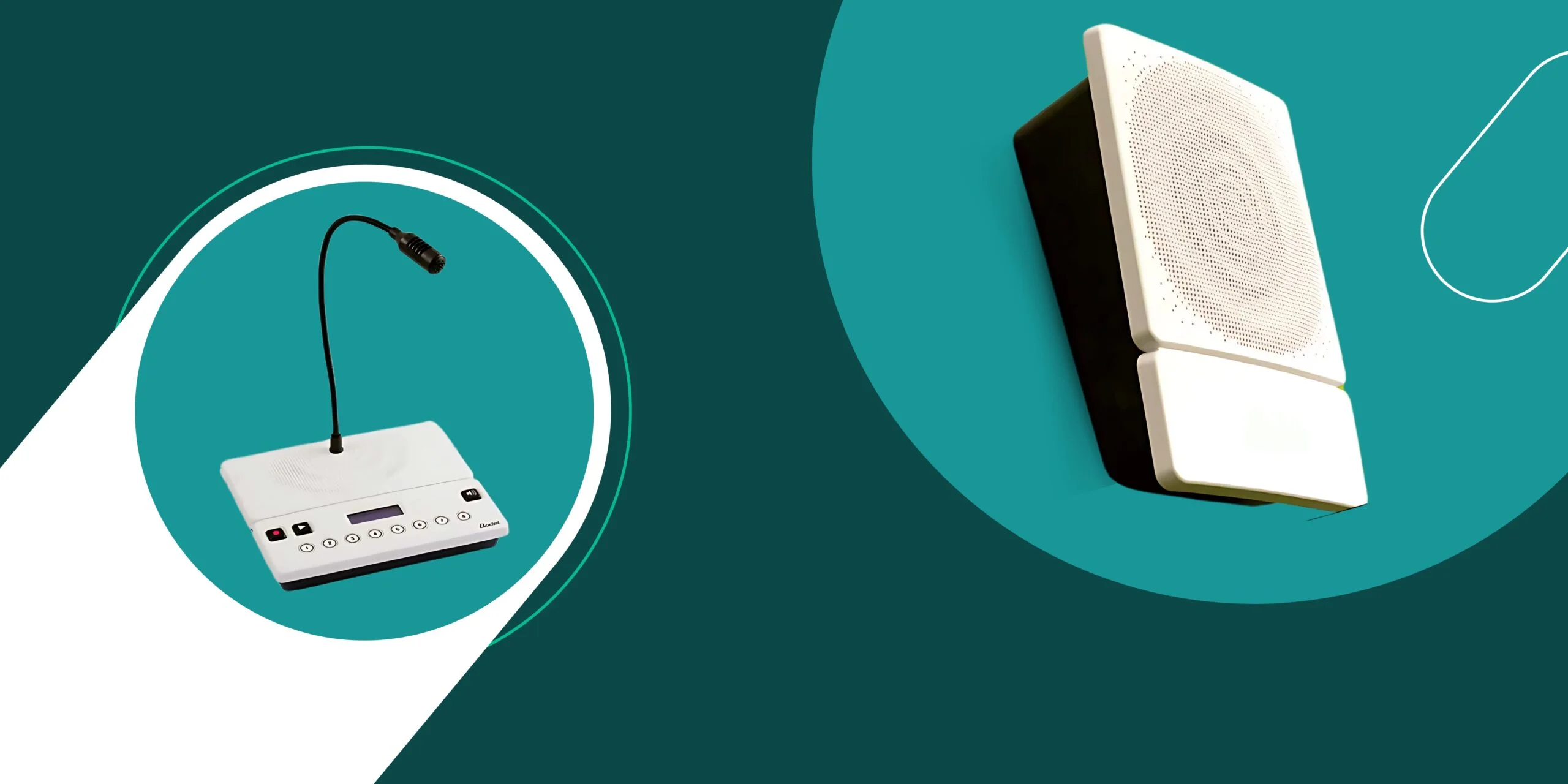
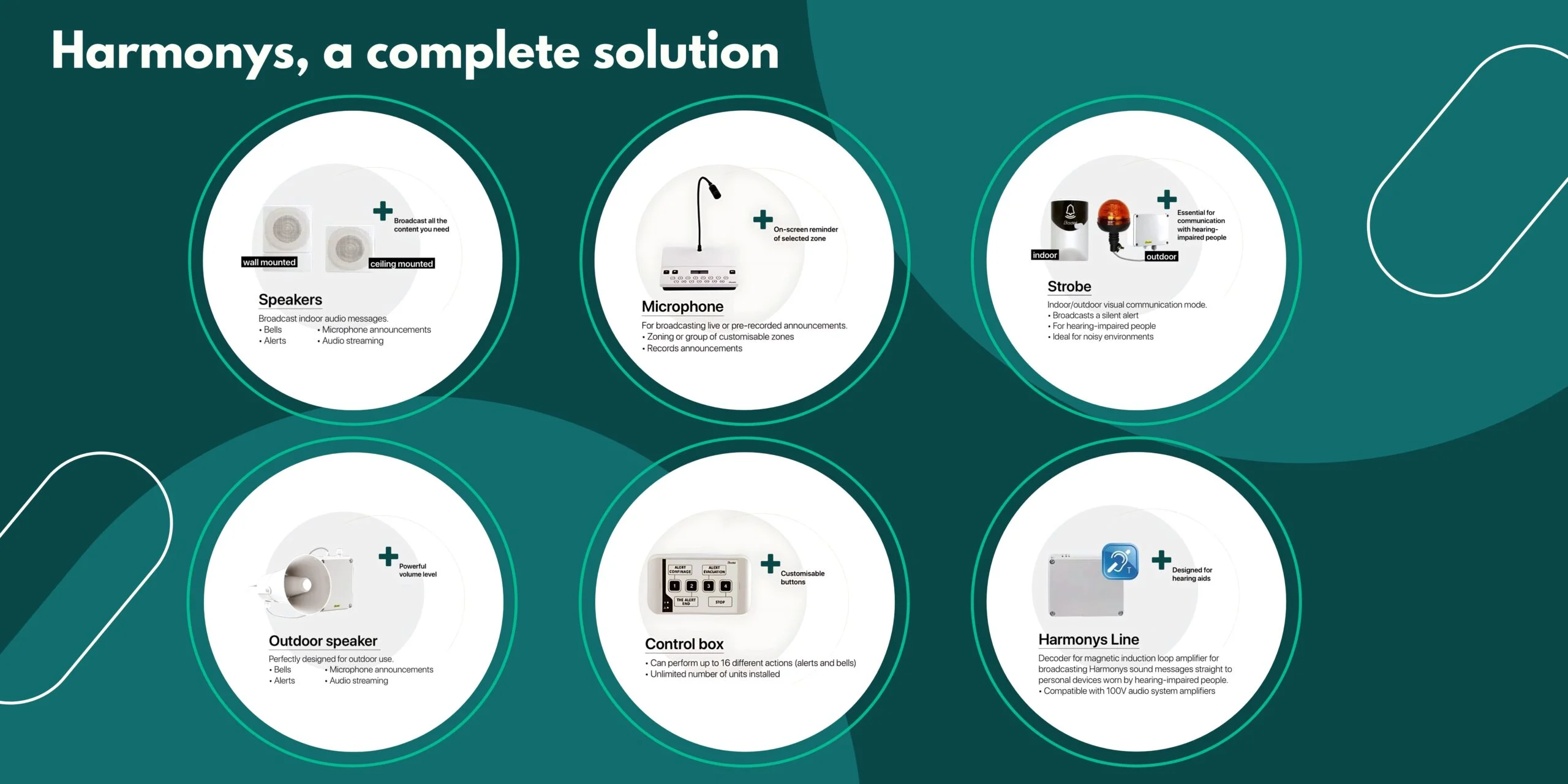
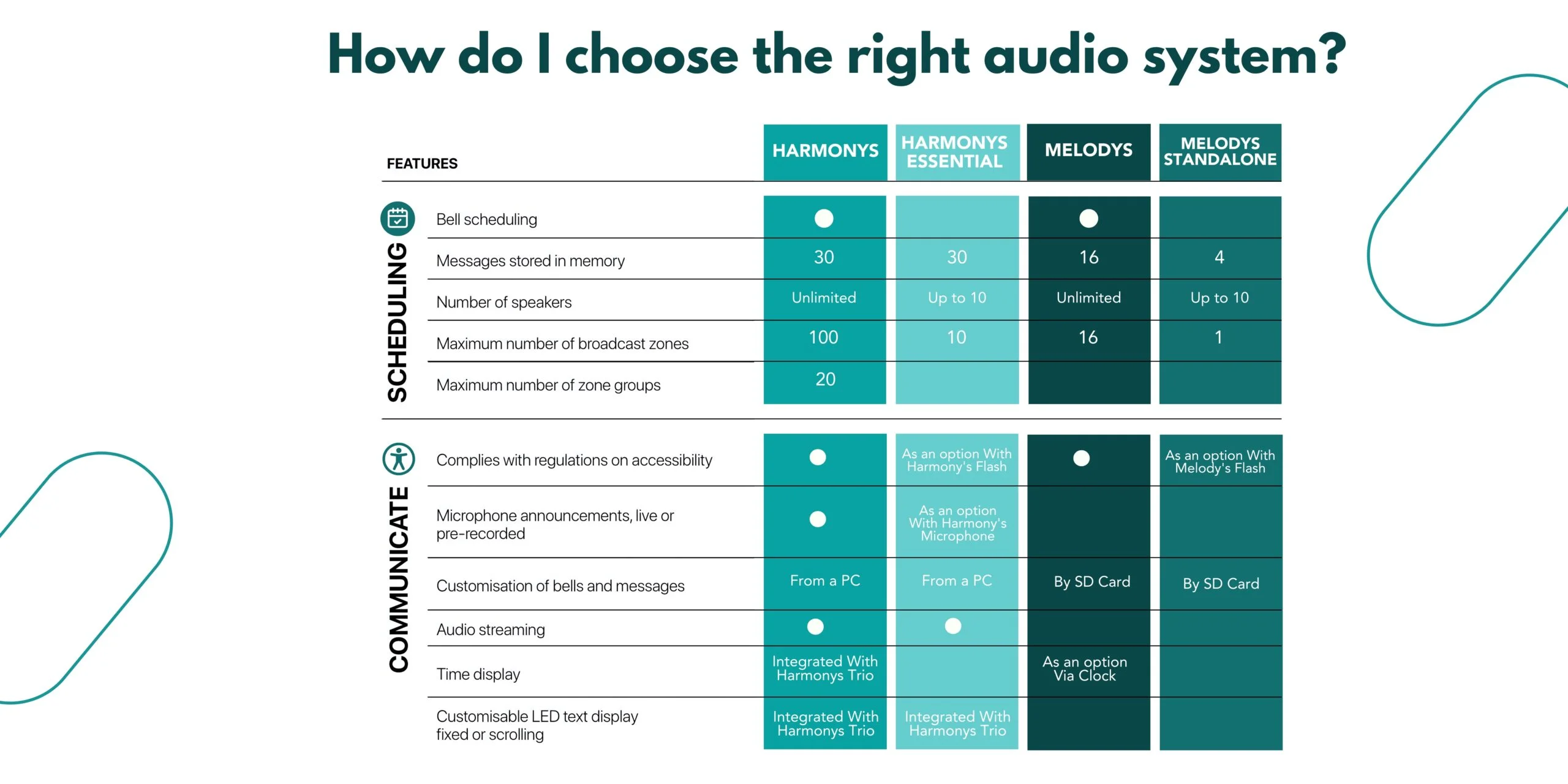
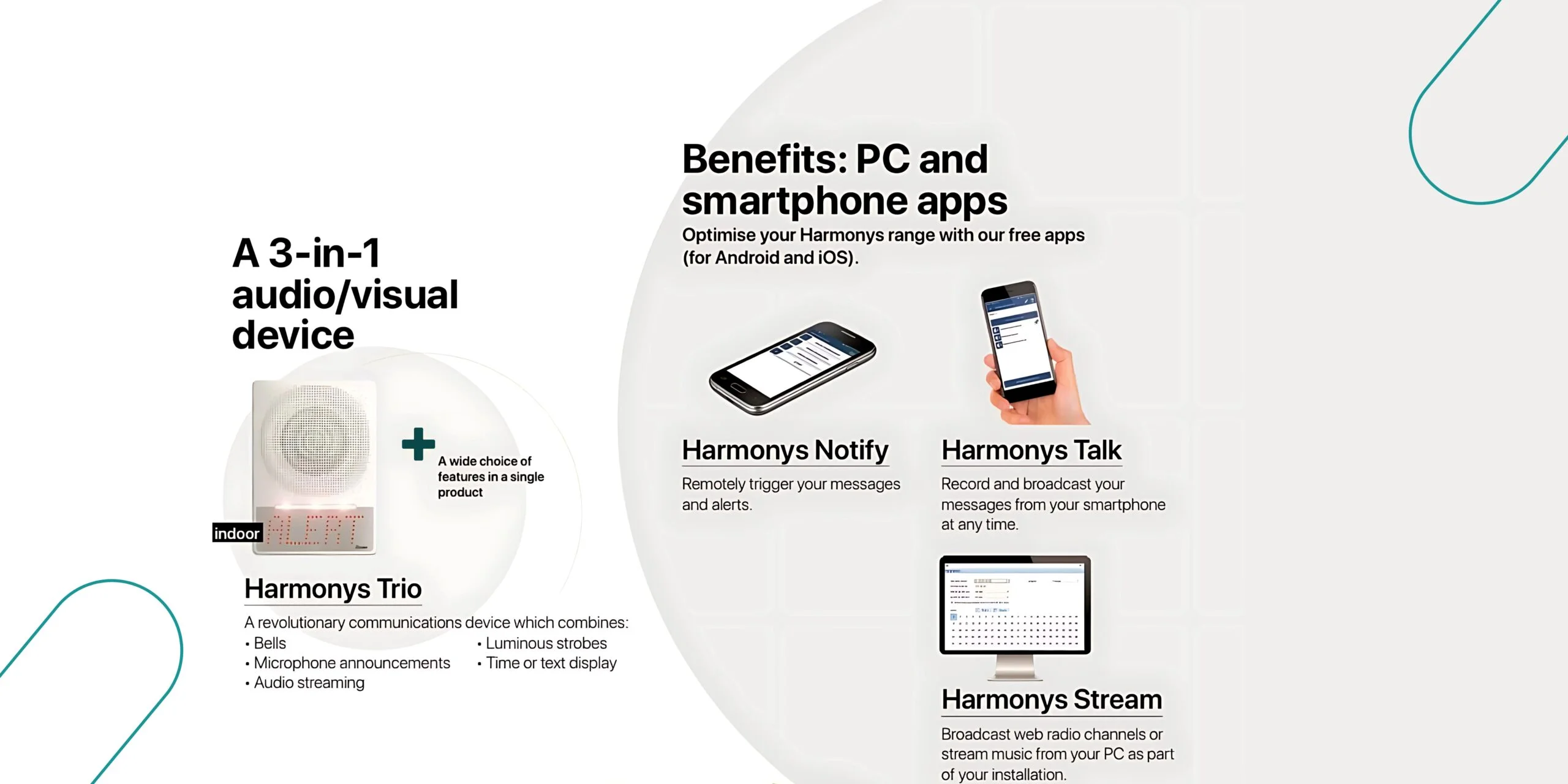
Modern IP-based audio, such as Bodet’s Harmonys range, uses the existing computer network to send announcements and alerts to speakers across a building or campus. Zones can be addressed separately, so announcements reach only the people who need them.
Wireless audio
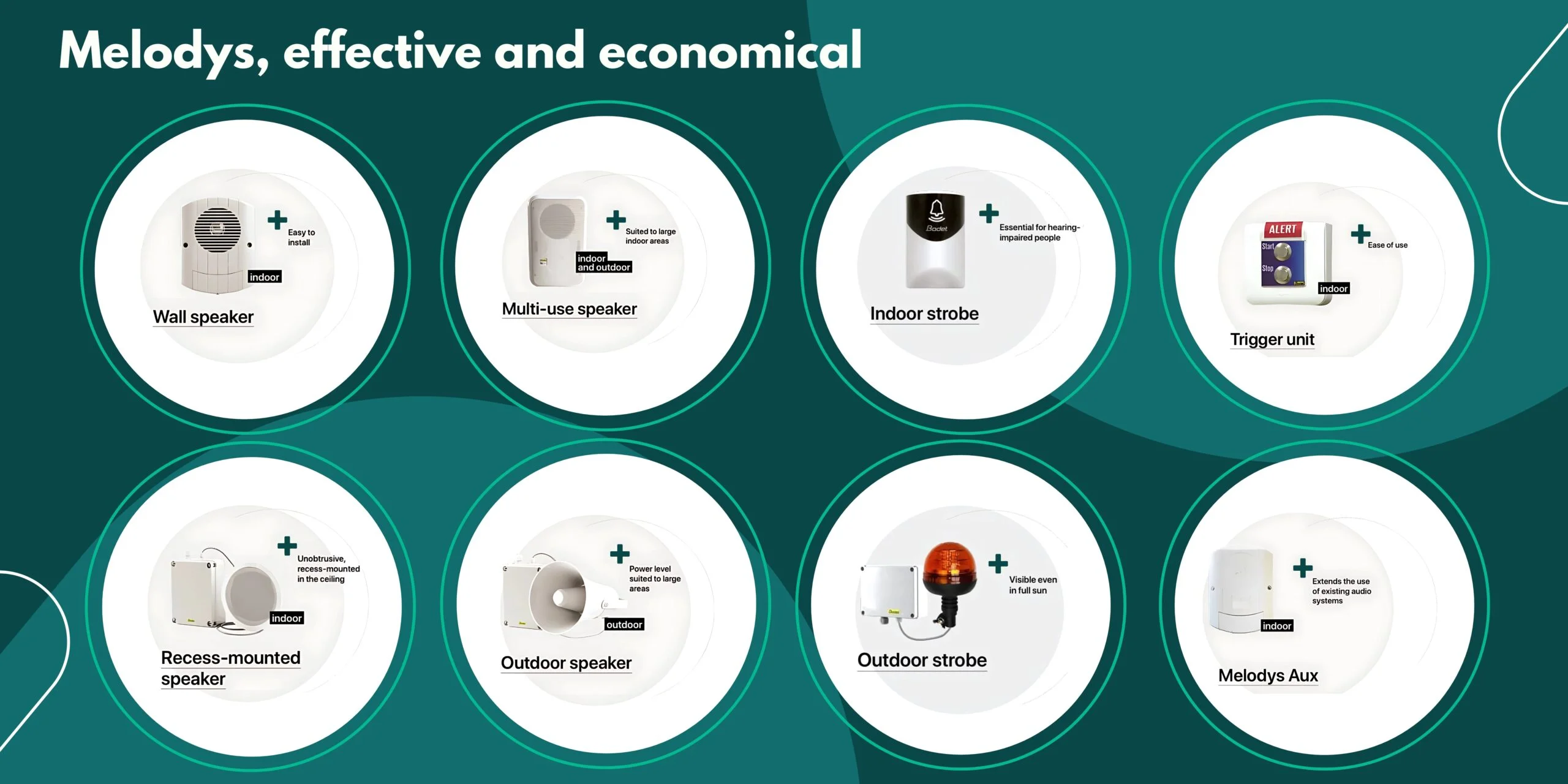
Wireless solutions, such as Bodet’s Melodys range, suit buildings where running new cables is difficult, such as older schools or listed buildings.
Lockdown and alert messages
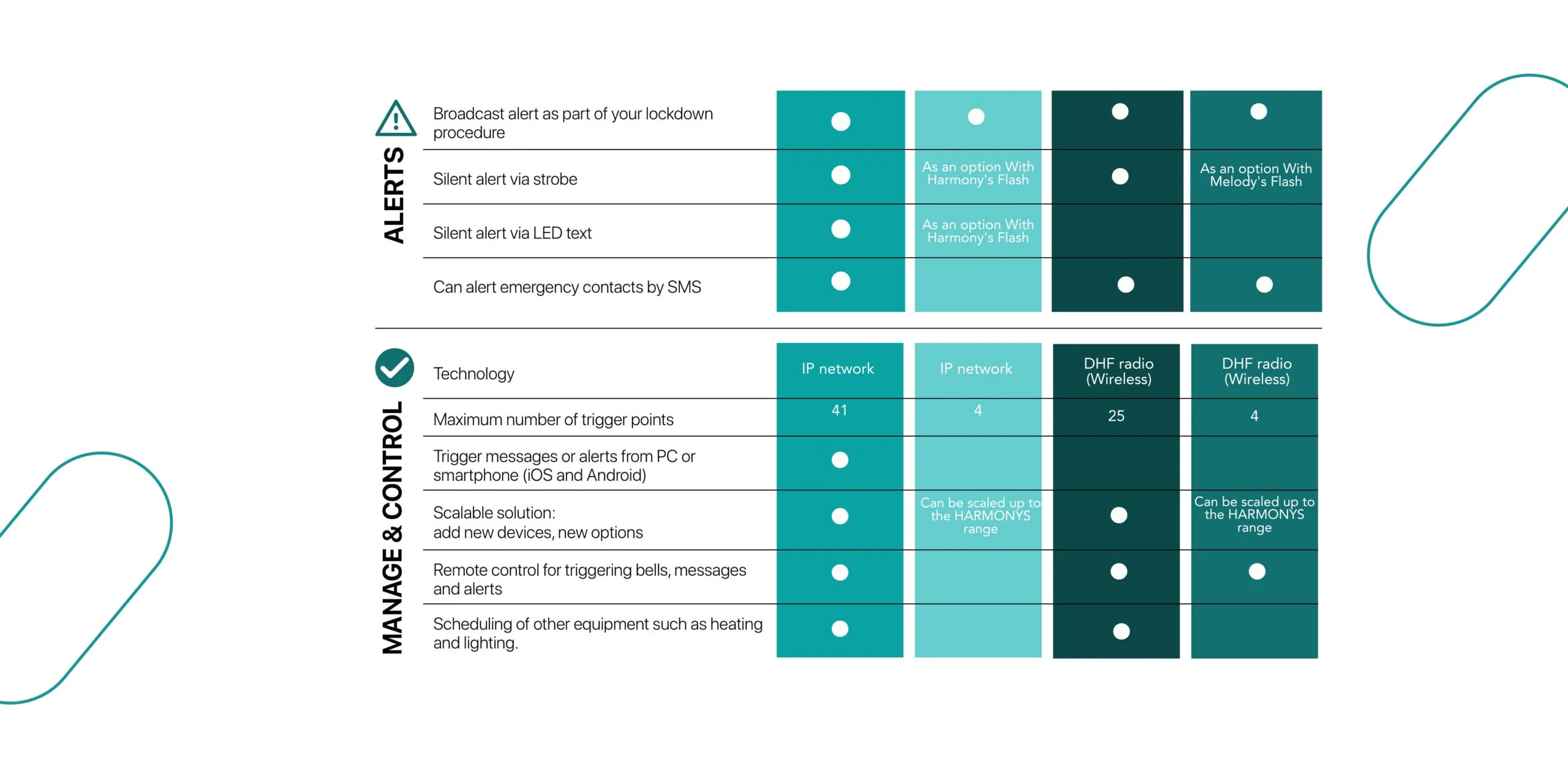
Schools and campuses can trigger pre-recorded lockdown, evacuation or weather alerts from a computer or a panic button, reaching every zone instantly.
Designing for the region
- Arabic and English displays and announcements
- Prayer times displayed on clocks and screens, with automatic updates
- Ramadan schedules for schools and workplaces
- Heat and dust protection for outdoor equipment
- Weekend and calendar settings for local working weeks
Who we work with
- Schools, universities and training institutes
- Sports clubs, federations and multi-purpose arenas
- Hospitals and healthcare campuses
- Airports, metro stations and bus stations
- Factories, offices and government buildings
Our process
- Site survey: viewing distances, mounting positions, acoustics and network infrastructure.
- Design: scoreboard sizes, clock layouts, speaker zones and system architecture.
- Supply and installation: equipment, cabling, mounting and configuration.
- Commissioning and training: testing every display, clock and speaker zone, and training operators.
- Support: maintenance contracts, spare parts and software updates.
Example scenario: a private school campus
Picture a private school in Riyadh with primary, middle and secondary sections in separate buildings. Clocks drift, bells ring at slightly different times in each building and announcements cannot be targeted. A synchronised clock system and IP audio fix this: every clock shows the same time, bell schedules run automatically for each section, Ramadan timings are loaded in advance and the principal can send an announcement to one building or all of them. The sports hall gets a multisport scoreboard with a wireless console that the PE teachers can operate easily.
Example scenario: a university sports complex
A university in Qatar wants to host regional student tournaments in its sports complex. The hall gets a multisport scoreboard with synchronised shot clocks for basketball, an LED video screen for replays and sponsors, and a public address system with zones for the court, seating and lobby. Operators control everything from a single desk, and the university can host events that meet competition requirements.
Example scenario: a hospital campus
A hospital in Muscat has clocks showing different times on different floors, which causes problems with medication records and theatre schedules. A time server and synchronised clocks are installed across wards, theatres and clinics. Every clock now matches the time used by the hospital’s computer systems, access control and CCTV.
How to choose a clock system
Choosing clocks for a building or campus is more than picking a design. Start with these questions:
- How many clocks, and where? Corridors, classrooms, wards, meeting rooms and outdoor areas each need different sizes and styles.
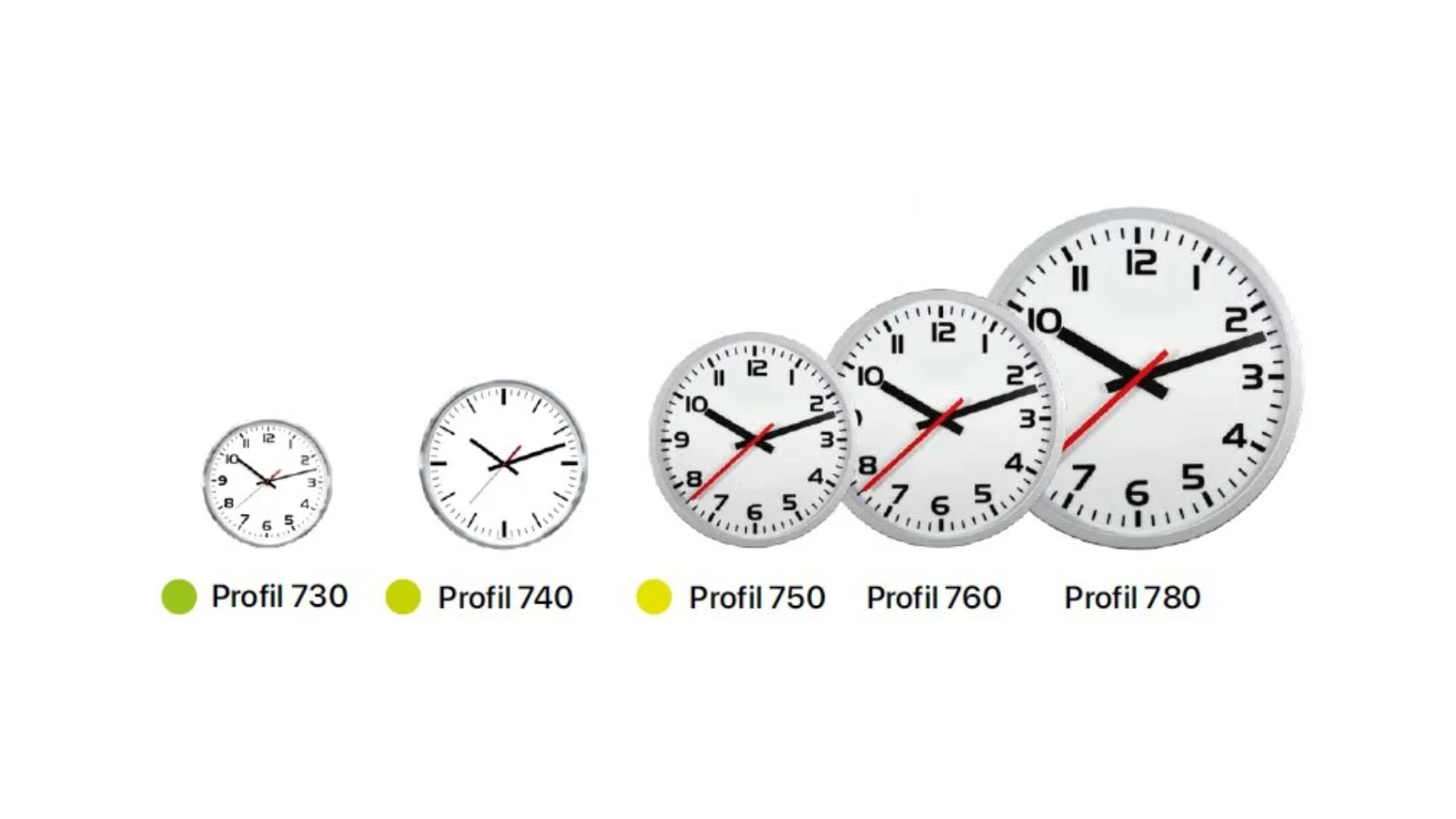
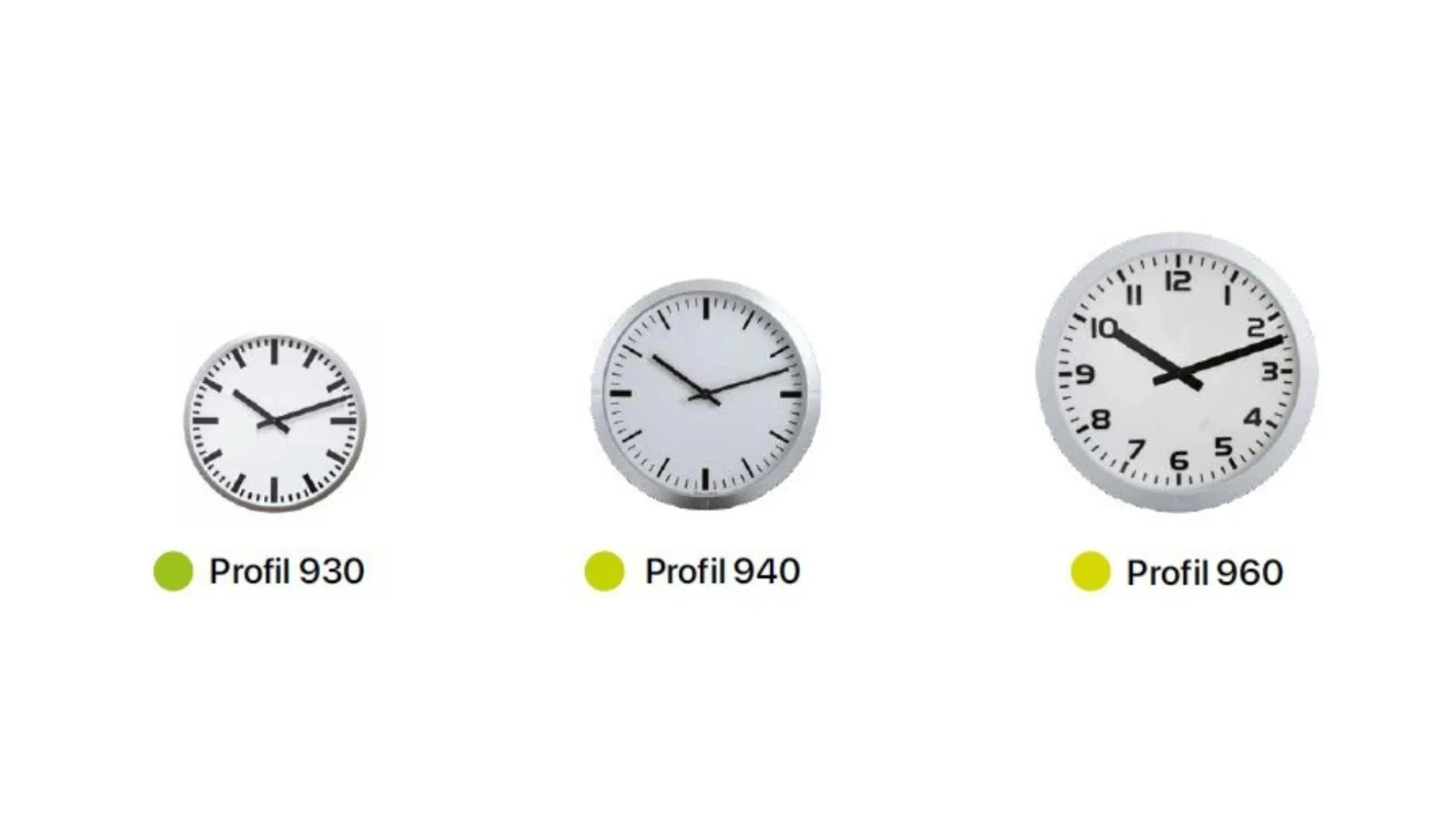
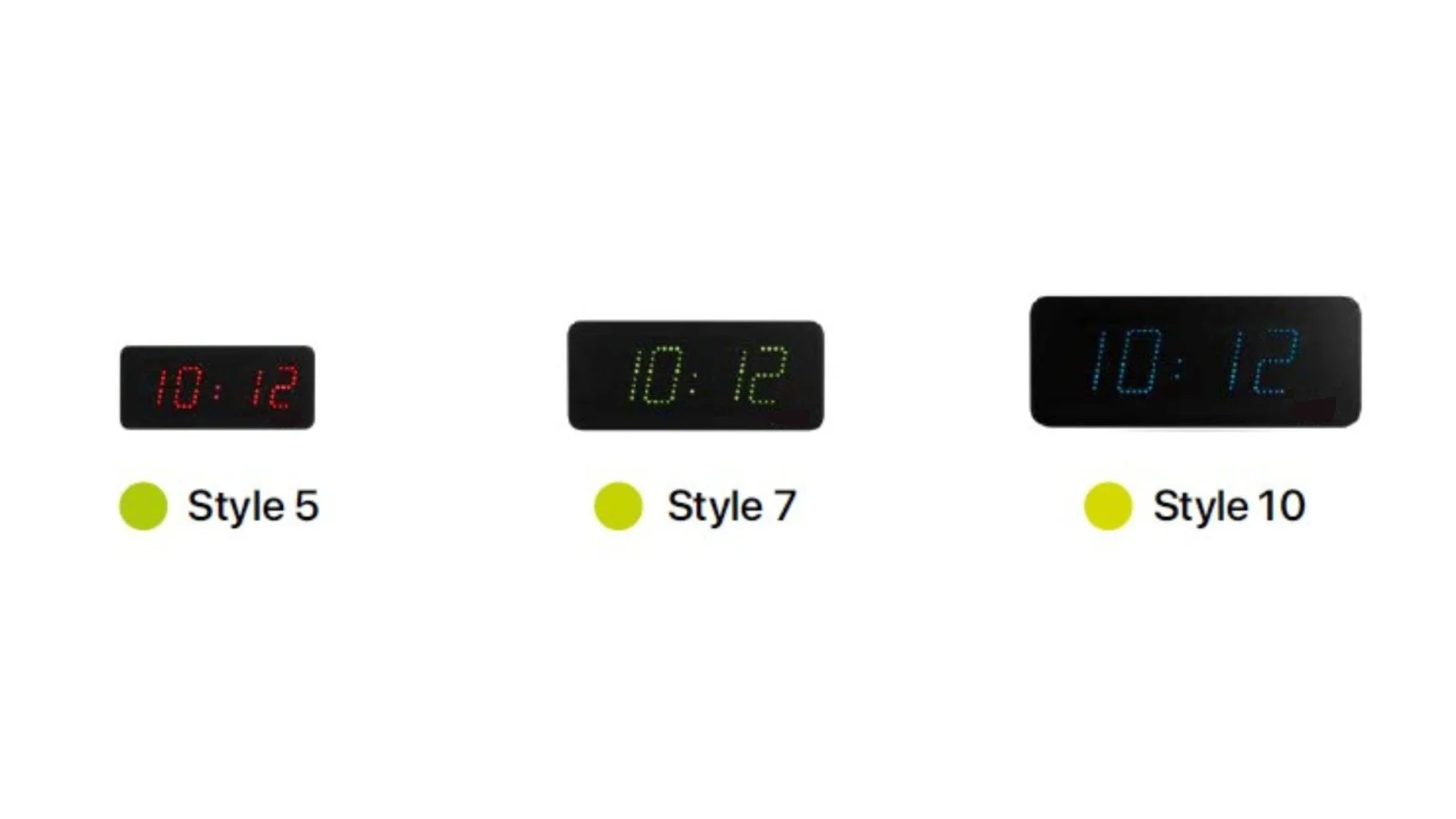
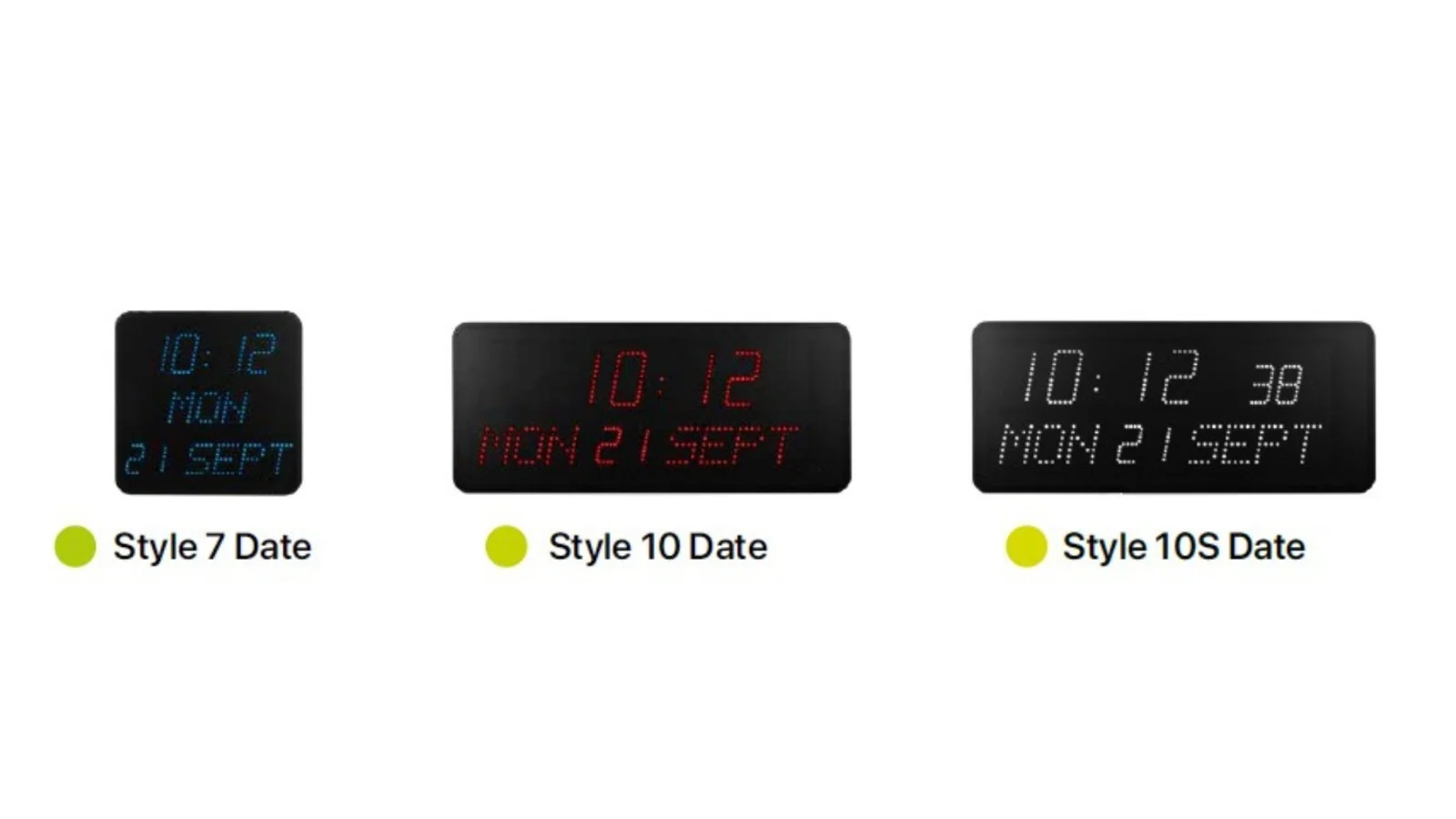
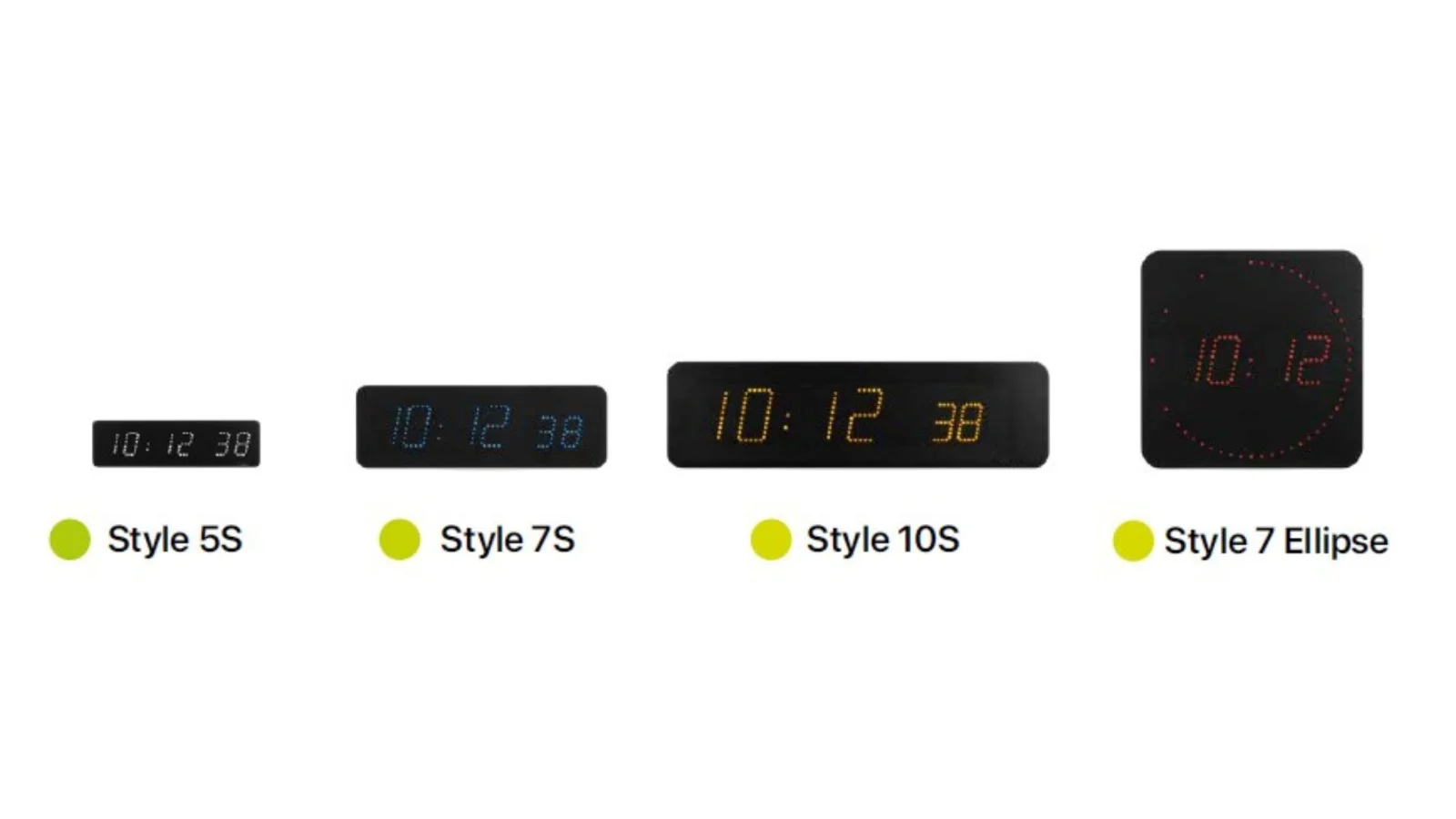
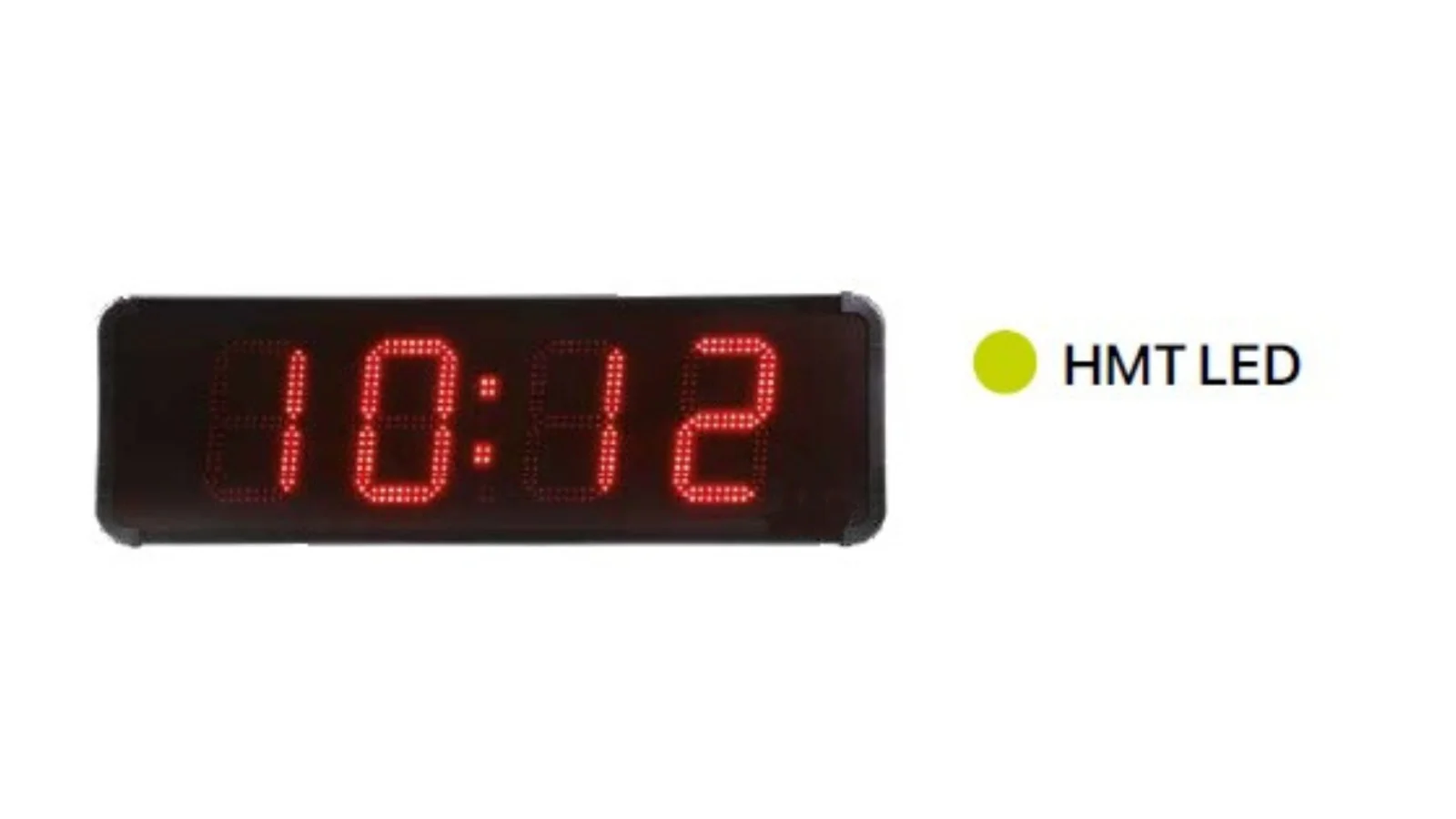
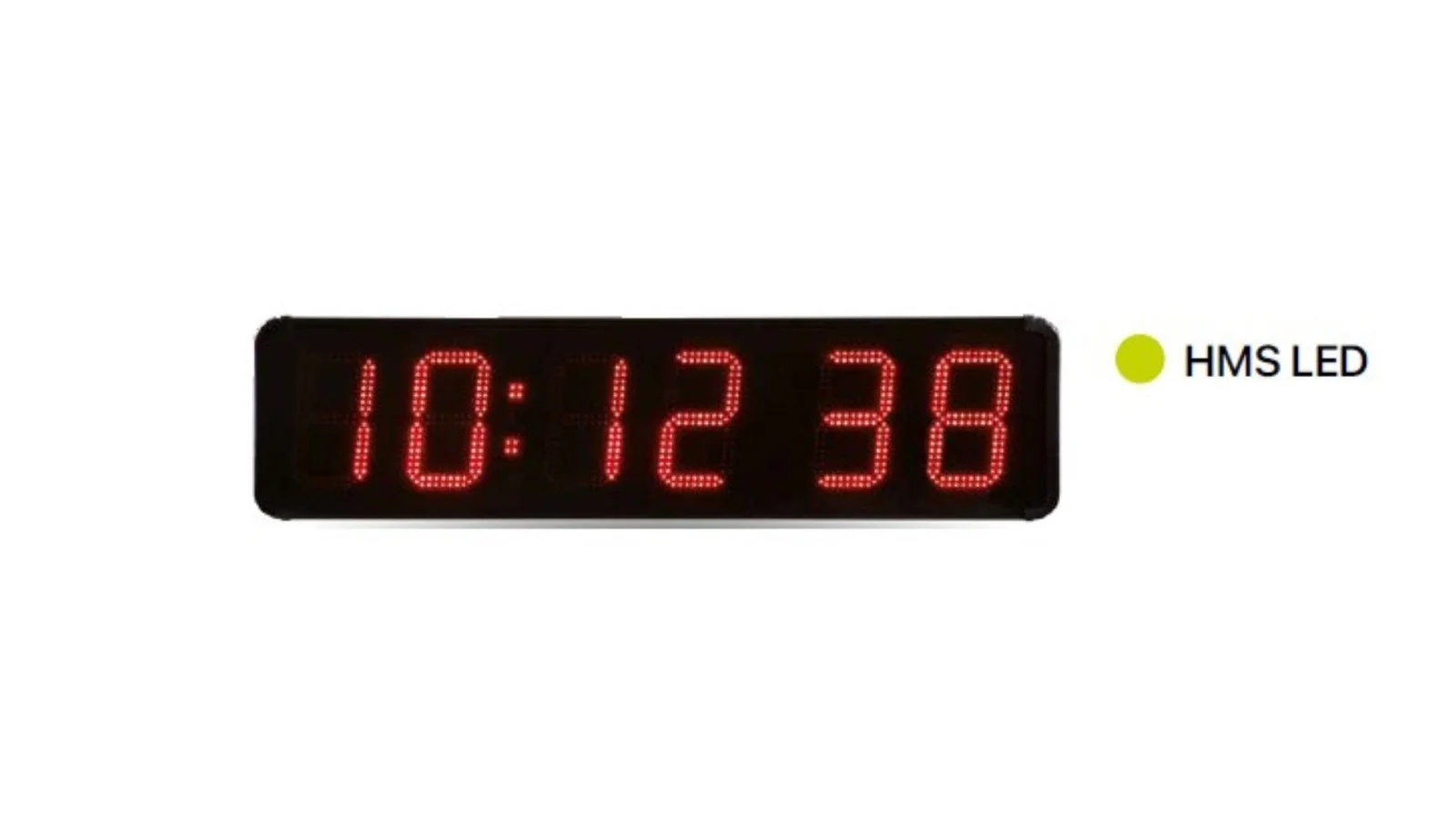
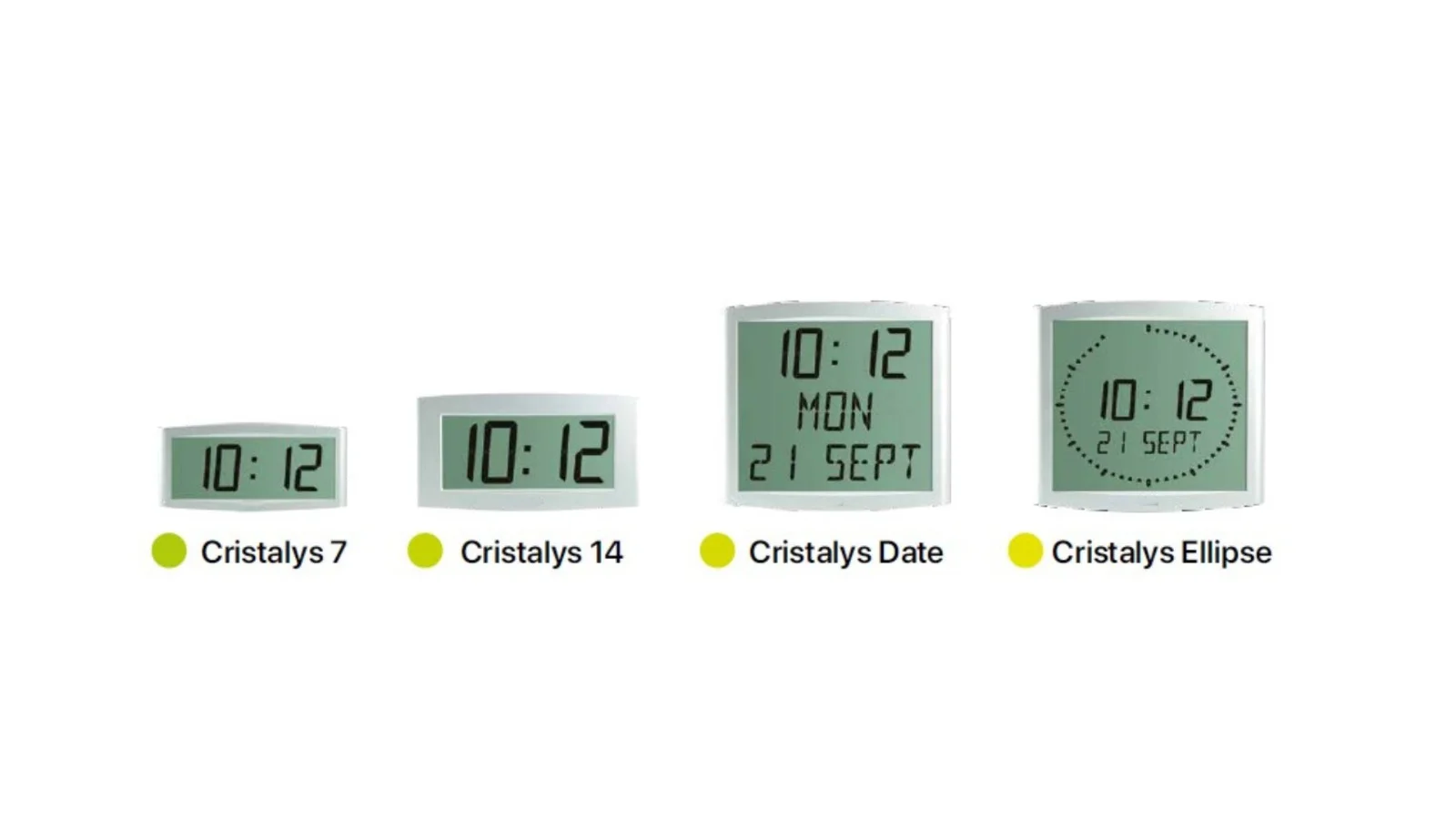
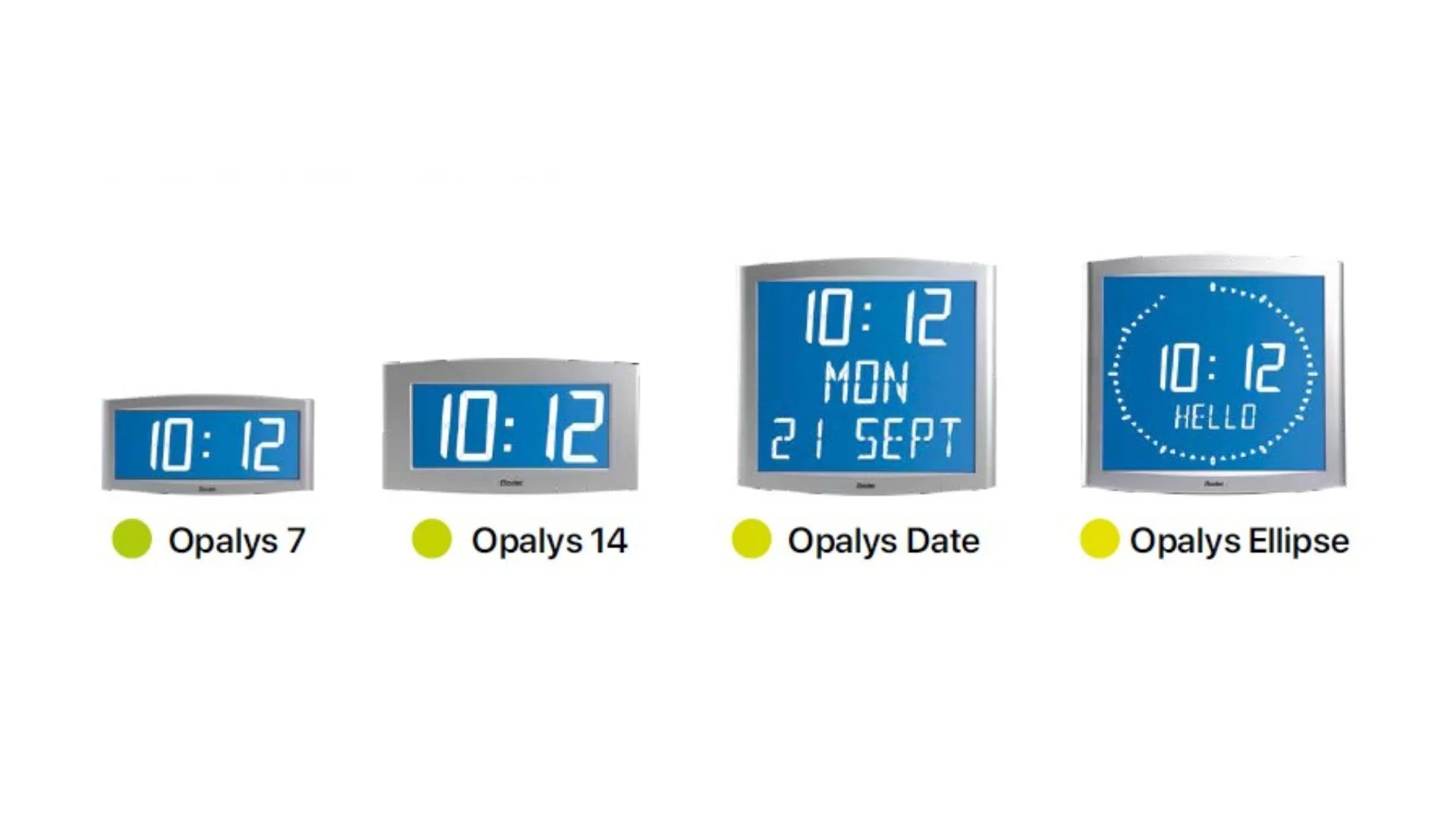
- Analogue or digital? Analogue clocks are familiar and easy to read at a glance. Digital clocks can show the date, temperature, prayer times and messages.
- How will they receive time? Network clocks use the existing data network and can be powered over Ethernet. Radio-synchronised clocks need no data cabling. Older sites may use dedicated wiring.
- What reading distance? Large halls need large dials or digits, while offices need smaller clocks.
- Do you need special features? Operating theatres often need elapsed-time counters. Schools may need countdowns for exams. Factories may need shift displays.
- Who will maintain them? Systems that report their own status make maintenance much easier.
Answering these questions early helps us design a system that is accurate, easy to maintain and suits each space.
Emergency communication on campus
Schools, universities and hospitals need fast, clear ways to warn people in an emergency. A modern audio system can play pre-recorded messages for evacuation, lockdown, severe weather or medical emergencies, triggered from a computer, a phone or a physical button. Digital clocks and displays can show the same message as text, which helps people with hearing difficulties and people in noisy areas. When linked to access control, a lockdown message can also lock external doors automatically, while an evacuation message can release them. Regular drills help staff and students know what each message means and what to do.
Displays for information and wayfinding
Beyond scoreboards, digital displays help people find their way and stay informed. Universities show event schedules and room changes, hospitals show queue numbers and directions, and transport hubs show departures. Content can be managed centrally and scheduled in advance, in Arabic and English, so each screen shows information relevant to its location. Emergency messages can override normal content instantly across every screen on the site.
Maintaining venue systems
Scoreboards, clocks and audio systems are used every day and often during important events, so failures are noticed by everyone. Good maintenance includes:
- Scheduled inspections before each season or academic year
- Cleaning of outdoor displays and speakers, especially after dust storms
- Firmware and software updates for consoles, servers and audio systems
- Spare parts kept locally, such as digit modules, speakers and control boards
- Quick response during events, when a failure cannot wait
Our maintenance contracts cover these tasks and give venues one point of contact for all their time, display and audio systems.
Integrating with other systems
Time, audio and display systems become more useful when they work with the rest of the building. A time server can provide accurate time to CCTV, access control, attendance terminals and computer networks, so every record has a consistent timestamp. Audio systems can receive triggers from fire alarms and security systems. Displays can show information from visitor management, such as welcome messages for expected guests, or from IoT sensors, such as air quality in a sports hall.
Managing visitors at events and campuses
Sports events, graduations and open days bring large numbers of visitors to schools, universities and venues. A visitor management system lets organisers register guests in advance, send QR passes and check people in quickly at the gate, so security knows who is on site. Welcome messages can appear on lobby displays, and announcements can direct visitors to seating, parking and exits. After the event, organisers have accurate attendance records for planning and safety reviews.
Energy and sustainability
Modern LED scoreboards and displays use far less power than older technology, and brightness can be adjusted automatically to ambient light, saving energy and extending the life of the LEDs. Clocks powered over the network avoid battery replacements, and audio systems can switch amplifiers to standby when not in use. Across a large campus, these savings add up and support sustainability goals.
Accessibility
Venues and institutions serve people with different needs. Clear, high-contrast displays help people with low vision, while visual alerts on screens and clocks support people with hearing loss during announcements and emergencies. Audio systems can be tuned for speech clarity in echoing sports halls, and induction loops can be added at reception desks and auditoriums.
One supplier, one support line
Using one partner for scoreboards, clocks, bells and audio means one contract, one support number and systems that are designed to work together.